Unit Plan 13 (Grade 3 Library): Fiction and Nonfiction for Different Purposes
Explore fiction and nonfiction in this Grade 3 library unit as students compare text types, reading purposes, nonfiction features, and thoughtful book choices.

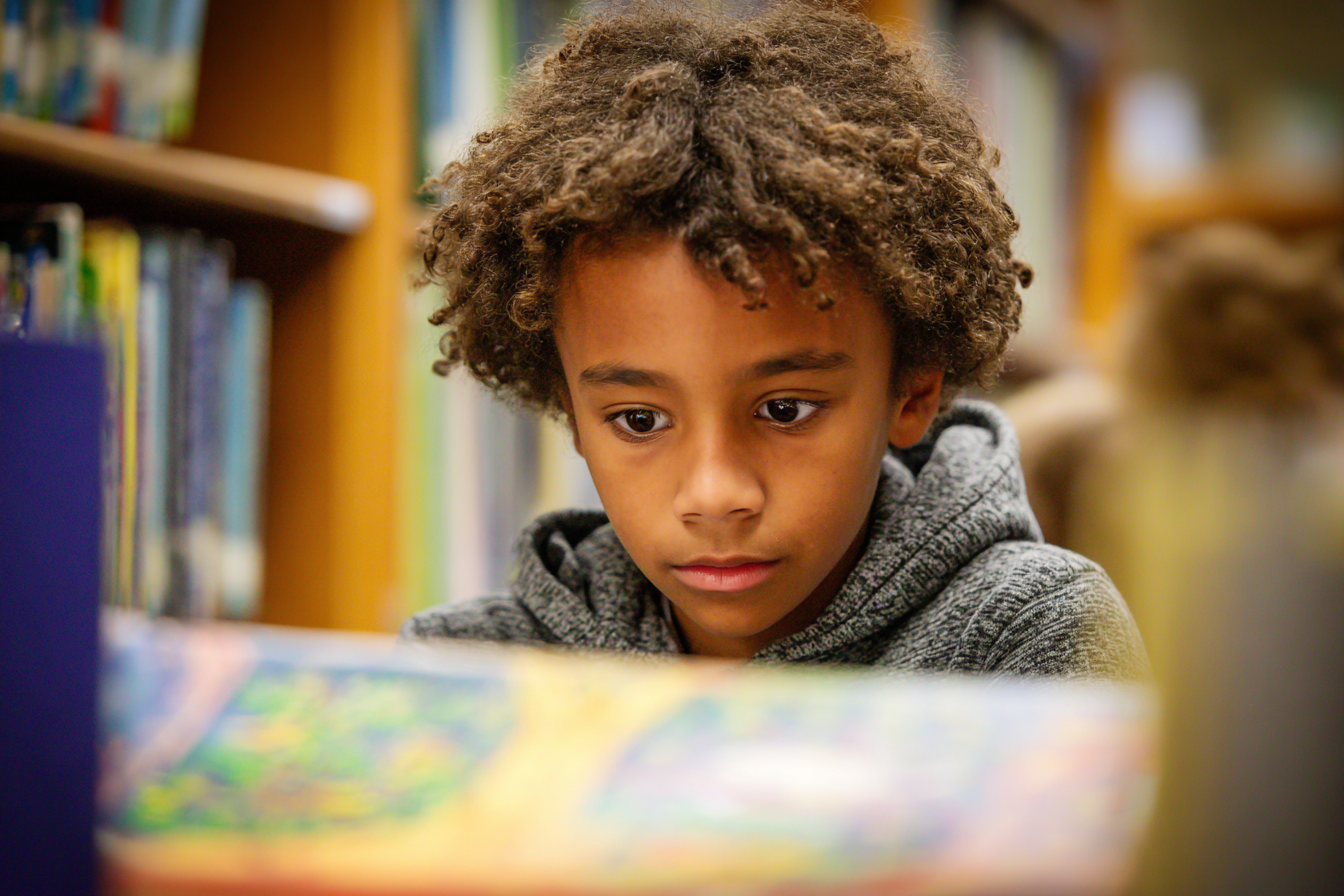
Focus: Help students understand that readers choose fiction and nonfiction for different purposes. Students compare how a story and an informational text on a similar topic can each offer something useful, and they reflect on when they might choose a text for enjoyment, learning, or a fuller understanding.
Grade Level: 3
Subject Area: Library (Reading Choices • Text Types • Inquiry/Growth)
Total Unit Duration: 1–3 weeks, 50–60 minutes per session
I. Introduction
This unit helps Grade 3 students think more carefully about why readers choose different kinds of texts. In library, students are learning that a fictional story and a nonfiction text can both be valuable, even when they are connected to the same topic. A story may help readers imagine, connect, and enjoy, while a nonfiction text may help them gather facts, look closely at features, and answer questions. The librarian helps students compare these reading experiences and notice that thoughtful readers choose texts based on purpose as well as interest. This is a realistic library lesson because it mirrors the kinds of reading decisions students make when they want to enjoy a topic, learn about it, or do both.
Essential Questions
- How are fiction and nonfiction useful in different ways?
- Why might a reader choose a story for enjoyment and a nonfiction text for learning?
- How can fiction and nonfiction together help a reader understand a topic more fully?
- How can trying different text types help me grow as a reader and learner?
II. Objectives and Standards
Learning Objectives — Students will be able to:
- Use books, images, headings, captions, labels, tables of contents, and discussion to gather information and build understanding.
- Compare how a fiction text and a nonfiction text on a similar topic each help a reader in different ways.
- Choose books and materials based on interest, reading purpose, topic, genre, recommendation, author, or needed information.
- Explain when they might choose fiction, nonfiction, or both for a fuller reading experience.
- Try new genres, formats, tools, and media with curiosity and a willingness to grow as a reader and learner.
- (Optional Sessions) Strengthen understanding of text purpose through repeated comparison, purposeful book choice, and reflection on when different text types are most helpful.
Standards Alignment — 3rd Grade (AASL-based Custom)
- L:S1.3b — Use books, images, headings, captions, labels, tables of contents, and discussion to gather information and build understanding.
- Example: A student uses captions and a table of contents to locate information about frogs in a nonfiction book.
- L:S4.3a — Choose books and materials based on interest, reading purpose, topic, genre, recommendation, author, or needed information.
- Example: A student chooses a biography because they want to learn about an important historical person.
- L:S5.3b — Try new genres, formats, tools, and media with curiosity and a willingness to grow as a reader and learner.
- Example: A student reads poetry or uses a digital encyclopedia even though it is not their usual choice.
Success Criteria — Student Language
- I can explain how fiction and nonfiction help readers in different ways.
- I can use nonfiction features like headings, captions, labels, and the table of contents to find information.
- I can choose a text based on whether I want to enjoy a story, learn facts, or do both.
- I can compare two texts on a similar topic and explain what each one offers.
- I can try a different text type with curiosity and think about how it helps me grow.