Unit Plan 16 (Grade 3 Library): Main Events and Main Idea
Teach Grade 3 students to identify main events in stories and main ideas in nonfiction using important details, discussion, and clear reading responses.

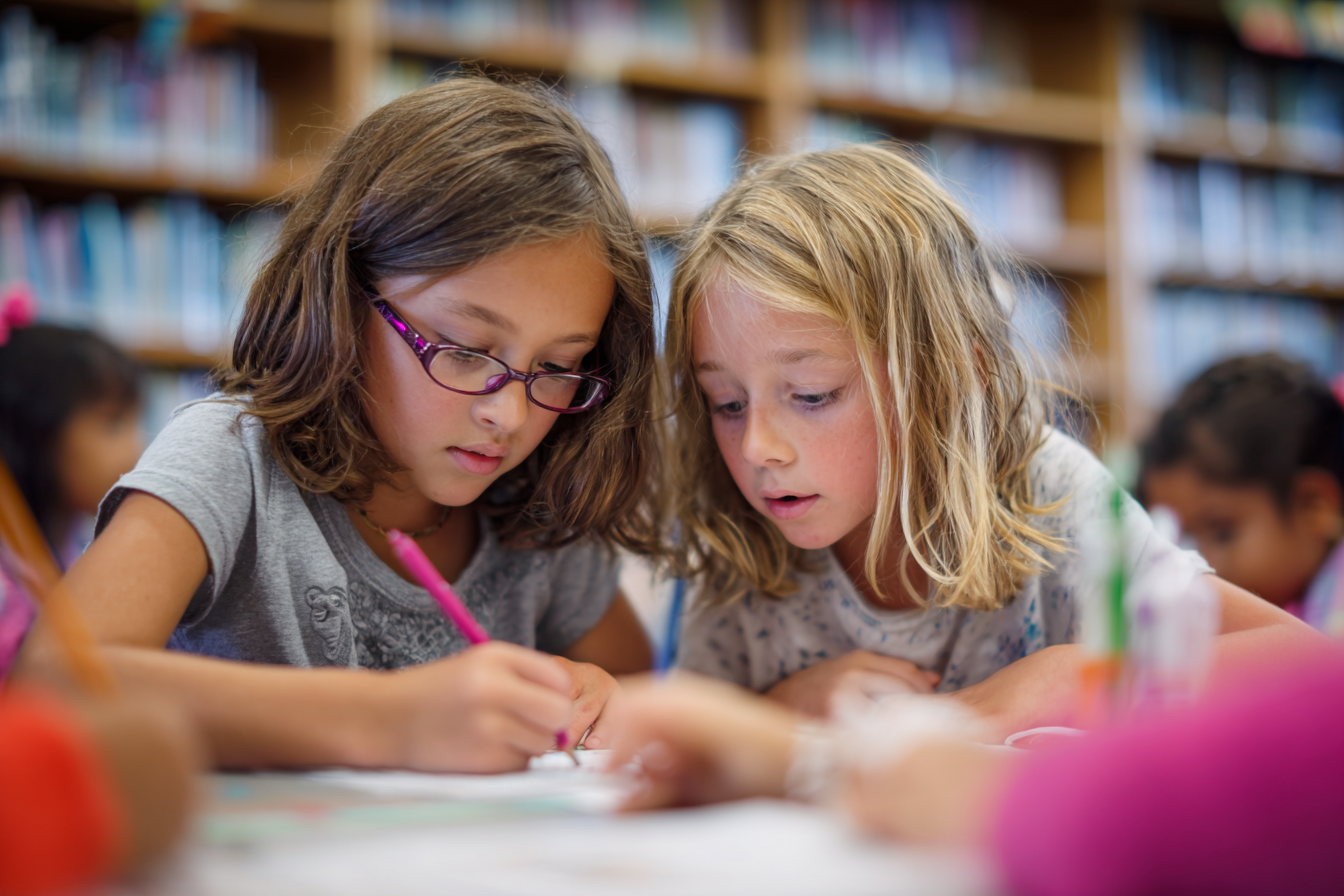
Focus: Help students distinguish between important details and central ideas in both stories and nonfiction texts. Students learn how to identify the big events in a story, notice what matters most, and explain the main idea of a short nonfiction passage using supported thinking.
Grade Level: 3
Subject Area: Library (Comprehension • Discussion • Reading Response)
Total Unit Duration: 1–3 weeks, 50–60 minutes per session
I. Introduction
This unit helps Grade 3 students strengthen comprehension by learning to focus on what matters most in a text. In stories, students practice identifying the major events that move the plot forward instead of getting lost in every detail. In nonfiction, they begin to identify the main idea and recognize which supporting details help explain it. The librarian models how readers can ask, “What was most important?” and “What is this mostly about?” then supports students as they practice these habits with guided texts. This kind of work fits naturally in library because it strengthens understanding across read-alouds, independent reading, informational texts, and inquiry tasks.
Essential Questions
- How can readers tell the difference between important details and the most important parts of a text?
- What are the main events in a story, and why do they matter?
- What is the main idea of a nonfiction text, and how do details support it?
- How can discussion and response help me explain what a text is mostly about?
II. Objectives and Standards
Learning Objectives — Students will be able to:
- Participate in shared conversations and projects in ways that support group thinking, respectful discussion, and class learning.
- Identify the main events in a story and explain why those events are important.
- Identify the main idea of a short nonfiction text and connect it to supporting details.
- Share observations, predictions, connections, and beginning conclusions about stories and topics using details from texts or images.
- Create or share a product, response, or explanation that clearly shows understanding of a story, topic, or question.
- (Optional Sessions) Strengthen comprehension through repeated practice with story events, nonfiction main idea, guided discussion, and clear response formats.
Standards Alignment — 3rd Grade (AASL-based Custom)
- L:S3.3c — Participate in shared conversations and projects in ways that support group thinking, respectful discussion, and class learning.
- Example: A student contributes to a small-group discussion by asking a follow-up question and building on a partner’s idea.
- L:S5.3c — Create or share a product, response, or explanation that clearly shows understanding of a story, topic, or question.
- Example: A student creates a simple poster, slide, retelling map, or oral explanation to show what they learned.
- L:S1.3c — Share observations, predictions, connections, and beginning conclusions about stories and topics using details from texts or images.
- Example: A student explains, “I think this character will solve the problem by asking for help because the picture shows she looks worried and alone.”
Success Criteria — Student Language
- I can identify the main events in a story.
- I can explain which details are important and which are smaller details.
- I can tell what a nonfiction text is mostly about.
- I can use details from a text or image to explain my thinking.
- I can create a response that clearly shows what I understood.