Unit Plan 8 (Grade 3 Library): Retelling, Sequencing, and Summarizing
Grade 3 library unit on retelling, sequencing, and summarizing that helps students identify key story events, explain main ideas, and show comprehension clearly.

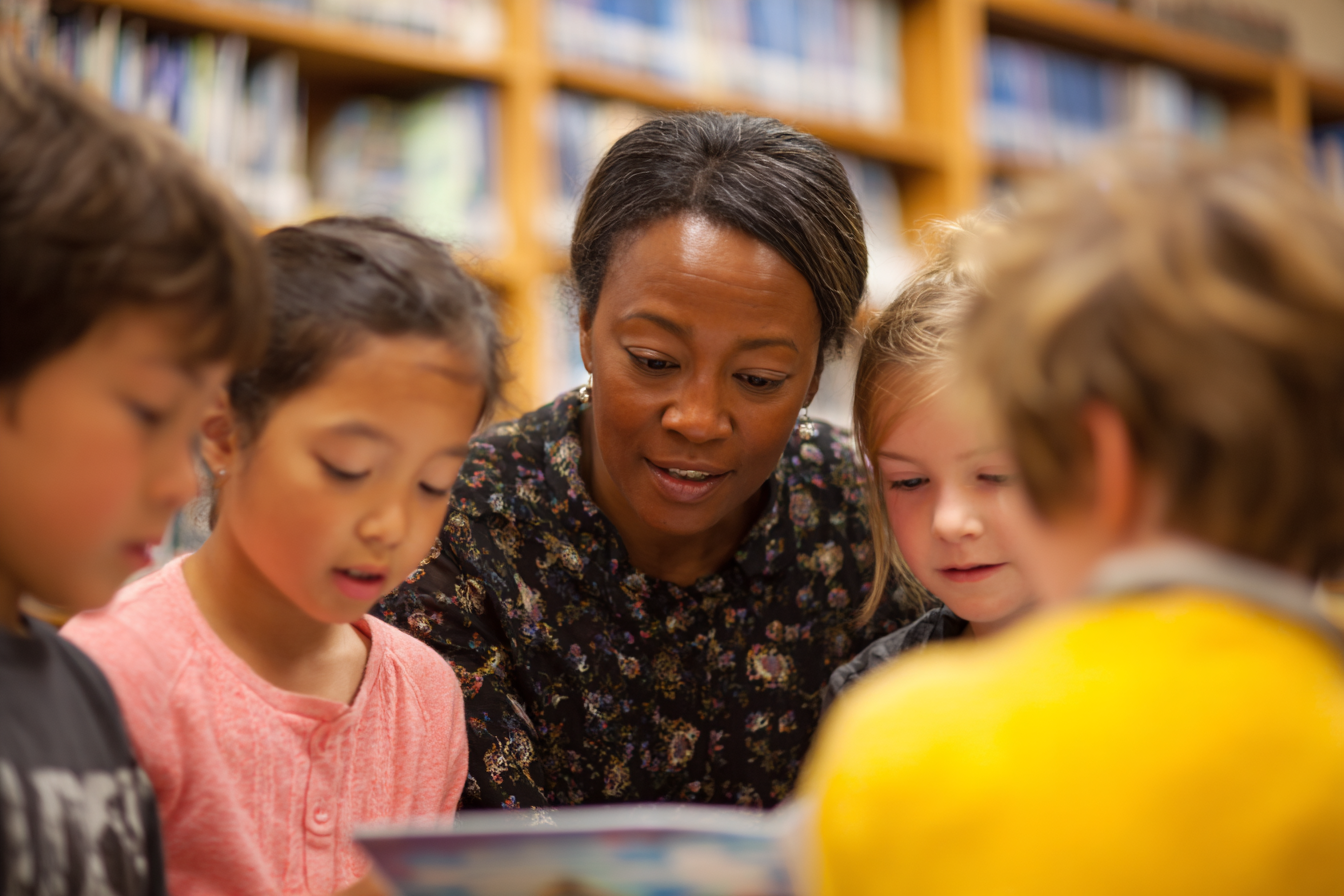
Focus: Help students distinguish between retelling everything and summarizing the most important parts of a story. Students practice identifying key events, putting them in order, and explaining the main idea of a text in a shorter, more focused way through discussion, graphic organizers, oral summaries, and short written responses.
Grade Level: 3
Subject Area: Library (Comprehension • Discussion/Response • Story Structure)
Total Unit Duration: 1–3 weeks, 50–60 minutes per session
I. Introduction
This unit helps Grade 3 students strengthen an important reading skill: knowing the difference between telling every detail and sharing the most important parts. In library, students often talk about stories, respond to read-alouds, and explain what they understood. To do that well, they need practice with retelling, sequencing, and summarizing. The librarian models how to identify key events, place them in order, and explain the main idea of a story in a concise way. Because Grade 3 students are developing stronger comprehension, this unit helps them move beyond repeating everything they remember and begin shaping their thinking into clearer, more purposeful responses.
Essential Questions
- What is the difference between retelling a story and summarizing it?
- How can I identify the most important events in a story?
- Why does putting events in the correct sequence help readers understand better?
- How can I create a response that clearly shows what I understood about a story?
II. Objectives and Standards
Learning Objectives — Students will be able to:
- Work with a partner or group during discussions, sorting, comparison, inquiry, and shared response activities connected to story retelling and summarizing.
- Identify and sequence key events from a familiar story.
- Distinguish between retelling many details and summarizing the most important parts.
- Use reading, discussion, writing, drawing, building, technology, or presentation to explore and respond to story events and meaning.
- Create or share a product, response, or explanation that clearly shows understanding of a story.
- (Optional Sessions) Strengthen retelling and summary skills through repeated practice with sequencing, story organizers, oral responses, and short written or visual summaries.
Standards Alignment — 3rd Grade (AASL-based Custom)
- L:S3.3a — Work with a partner or group during discussions, sorting, comparison, inquiry, and shared response activities.
- Example: Two students work together to compare two books on the same topic and identify what is similar and different.
- L:S5.3a — Use reading, discussion, writing, drawing, building, technology, or presentation to explore and respond to ideas from library lessons.
- Example: A student writes a short response or creates a visual project about a story or informational topic.
- L:S5.3c — Create or share a product, response, or explanation that clearly shows understanding of a story, topic, or question.
- Example: A student creates a simple poster, slide, retelling map, or oral explanation to show what they learned.
Success Criteria — Student Language
- I can tell the difference between retelling a story and summarizing it.
- I can put important story events in the correct order.
- I can work with a partner to talk about key events and decide what matters most.
- I can create a response that clearly shows what I understood about the story.
- I can give a shorter summary that focuses on the most important parts.