Unit Plan 7 (Grade 3 Library): Stories and Voices from Different Communities
Grade 3 library unit that helps students explore diverse communities and viewpoints through reading, discussion, comparison, and respectful response.

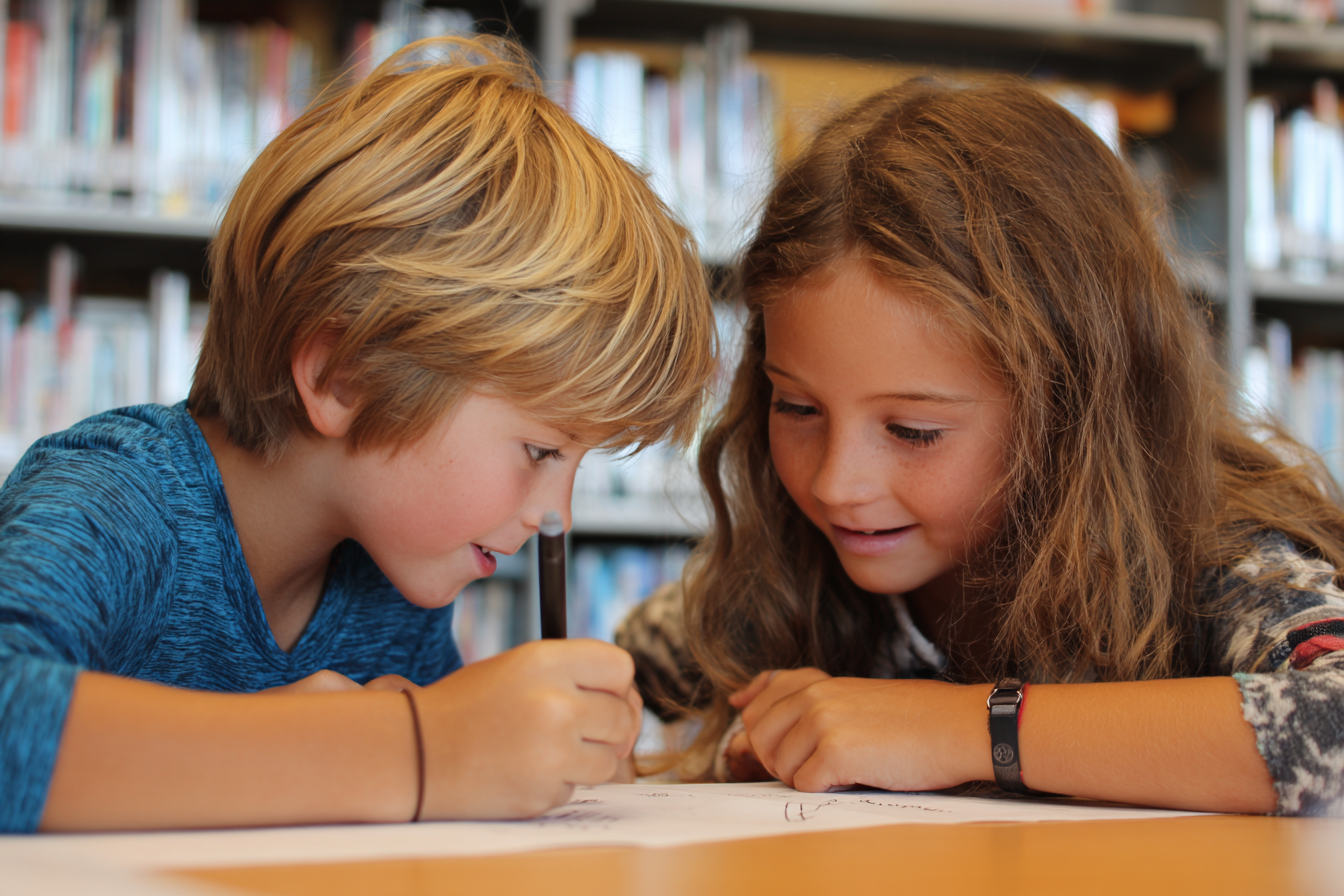
Focus: Help students read, listen to, and discuss stories and informational texts that reflect a variety of cultures, communities, experiences, and viewpoints. Students notice similarities and differences across texts, practice respectful discussion, and respond through writing, drawing, discussion, or a simple compare-and-contrast activity.
Grade Level: 3
Subject Area: Library (Reading/Discussion • Perspective • Response/Reflection)
Total Unit Duration: 1–3 weeks, 50–60 minutes per session
I. Introduction
This unit helps Grade 3 students encounter a wider range of people, places, traditions, and life experiences through thoughtfully chosen library texts. The librarian uses accessible stories and informational readings to help students notice both what feels familiar and what feels new. As students read, listen, compare, and discuss, they practice responding respectfully to different communities and viewpoints while also recognizing that readers may think about the same text in different ways. The unit supports the important library idea that books can help students learn about the world, understand others more deeply, and reflect on their own thinking.
Essential Questions
- How can stories and informational texts help us learn about different communities, cultures, experiences, and viewpoints?
- What similarities and differences can we notice across texts and people’s lives?
- Why is it important to respect that readers may have different thoughts or interpretations about the same text?
- How can I use discussion, writing, drawing, or another response to show what I learned?
II. Objectives and Standards
Learning Objectives — Students will be able to:
- Read, listen to, and discuss stories and information that reflect a variety of cultures, communities, experiences, and viewpoints.
- Notice similarities and differences between texts, characters, communities, traditions, or experiences.
- Recognize that readers and learners may interpret texts differently and choose different books or topics, and that all belong in the library.
- Respond to texts through reading, discussion, writing, drawing, building, technology, or presentation.
- Explain one idea, comparison, or reflection about a text using a detail from the story, information, or images.
- (Optional Sessions) Deepen understanding through comparison, respectful discussion, and additional response options that help students reflect on different communities and viewpoints.
Standards Alignment — 3rd Grade (AASL-based Custom)
- L:S2.3a — Read, listen to, and discuss stories and information that reflect a variety of cultures, communities, experiences, and viewpoints.
- Example: A student reads a folktale from another culture and compares its message to one from a familiar story.
- L:S2.3c — Recognize that readers and learners may interpret texts differently and choose different books or topics, and that all belong in the library.
- Example: A student understands that two readers can have different favorite characters or different opinions about the same book.
- L:S5.3a — Use reading, discussion, writing, drawing, building, technology, or presentation to explore and respond to ideas from library lessons.
- Example: A student writes a short response or creates a visual project about a story or informational topic.
Success Criteria — Student Language
- I can listen to and talk about texts that show different communities, experiences, and viewpoints.
- I can notice what is similar and what is different between texts or people’s experiences.
- I can understand that readers may think different things about the same book or topic.
- I can respond to a text using discussion, writing, drawing, or another clear format.
- I can share one idea about a text and support it with something I noticed in the story, information, or pictures.