Unit Plan 24 (Grade 3 Library): Topic Study with Multiple Resources
Explore a Grade 3 library mini research unit where students use multiple sources, compare facts, gather information, and create a simple topic response.

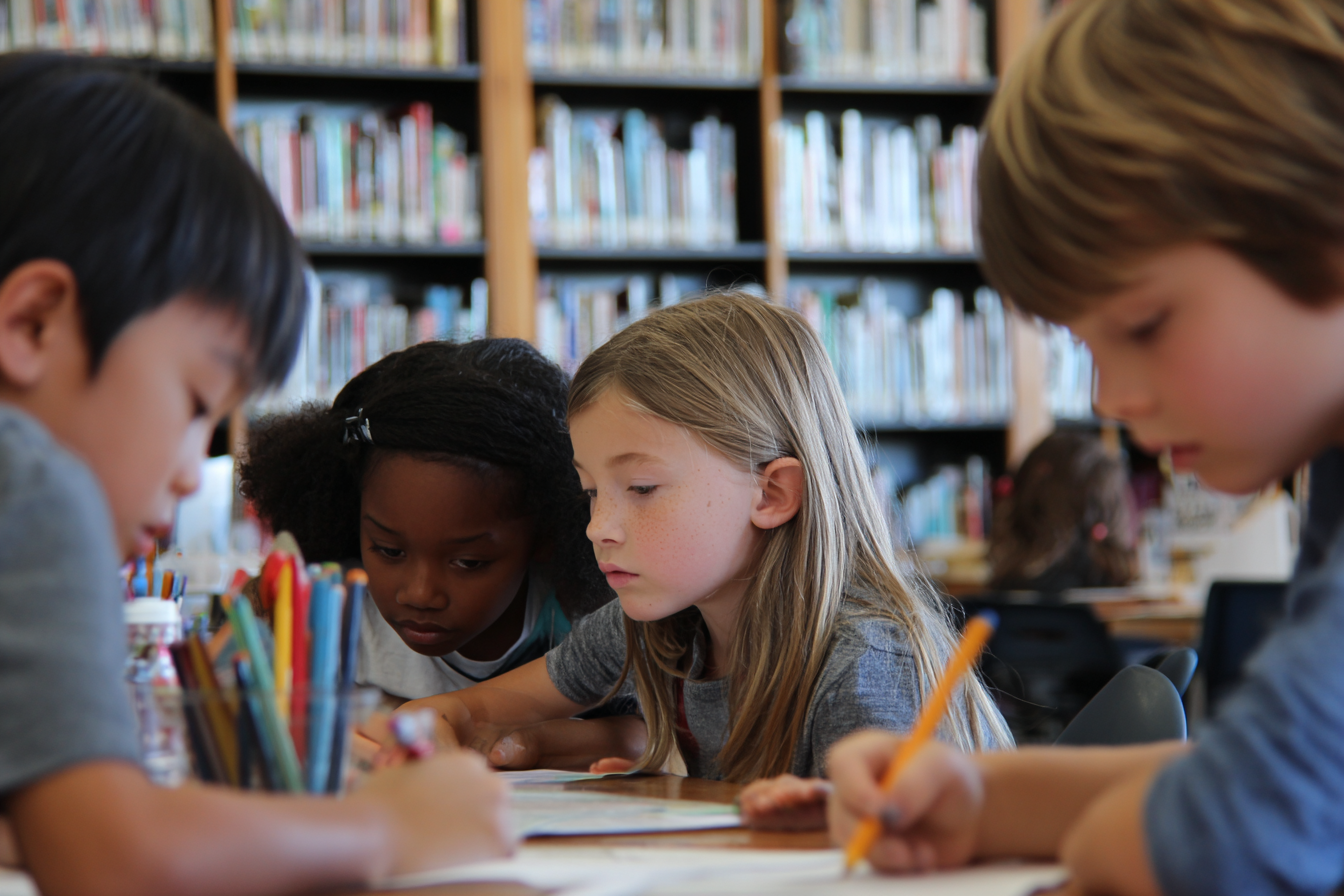
Focus: Help students participate in a guided mini research experience using several books and resources on one shared topic. Students gather information, compare facts, notice what different sources add, and create a simple response product that shows what they learned. The unit also helps students use a range of formats, text features, and perspectives while building early information-use habits.
Grade Level: 3
Subject Area: Library (Inquiry • Research Foundations • Information Use)
Total Unit Duration: 1–3 weeks, 50–60 minutes per session
I. Introduction
This unit gives Grade 3 students a structured opportunity to study one topic across multiple resources. The librarian may select a topic such as ecosystems, inventions, notable people, or weather and provide books, articles, images, and other simple sources that help students gather facts and build understanding. Instead of relying on only one source, students begin noticing that different resources may include different details, features, perspectives, or examples. This kind of topic study is highly realistic for Grade 3 library because it supports classroom content while also teaching real habits of inquiry, comparison, and thoughtful resource use.
Essential Questions
- How can several resources help me understand one topic more clearly?
- What can I learn by comparing facts and details across sources?
- How do books, images, headings, captions, labels, tables of contents, and discussion help readers gather information?
- How can trying different formats, tools, and sources help me grow as a reader and learner?
II. Objectives and Standards
Learning Objectives — Students will be able to:
- Use books, images, headings, captions, labels, tables of contents, and discussion to gather information and build understanding.
- Read, listen to, and discuss stories and information that reflect a variety of cultures, communities, experiences, and viewpoints connected to the shared topic when appropriate.
- Gather facts from several simple resources on one topic and compare what those sources include.
- Explain how one source may add new information, images, examples, or perspectives to a topic study.
- Try new genres, formats, tools, and media with curiosity and a willingness to grow as a reader and learner.
- (Optional Sessions) Strengthen inquiry habits through repeated use of multiple resources, comparison of information, and creation of a simple final response.
Standards Alignment — 3rd Grade (AASL-based Custom)
- L:S1.3b — Use books, images, headings, captions, labels, tables of contents, and discussion to gather information and build understanding.
- Example: A student uses captions and a table of contents to locate information about frogs in a nonfiction book.
- L:S2.3a — Read, listen to, and discuss stories and information that reflect a variety of cultures, communities, experiences, and viewpoints.
- Example: A student reads a folktale from another culture and compares its message to one from a familiar story.
- L:S5.3b — Try new genres, formats, tools, and media with curiosity and a willingness to grow as a reader and learner.
- Example: A student reads poetry or uses a digital encyclopedia even though it is not their usual choice.
Success Criteria — Student Language
- I can use more than one resource to learn about a topic.
- I can use text features and pictures to help find information.
- I can compare what different sources teach me.
- I can notice that different sources may show different examples, communities, or viewpoints.
- I can try a new format or tool and explain how it helped me learn.