Unit Plan 19 (Grade 3 Library): Trying New Genres and New Formats
Encourage Grade 3 reading growth with a library unit where students try new genres, formats, and tools, then reflect on what surprised and stretched them.

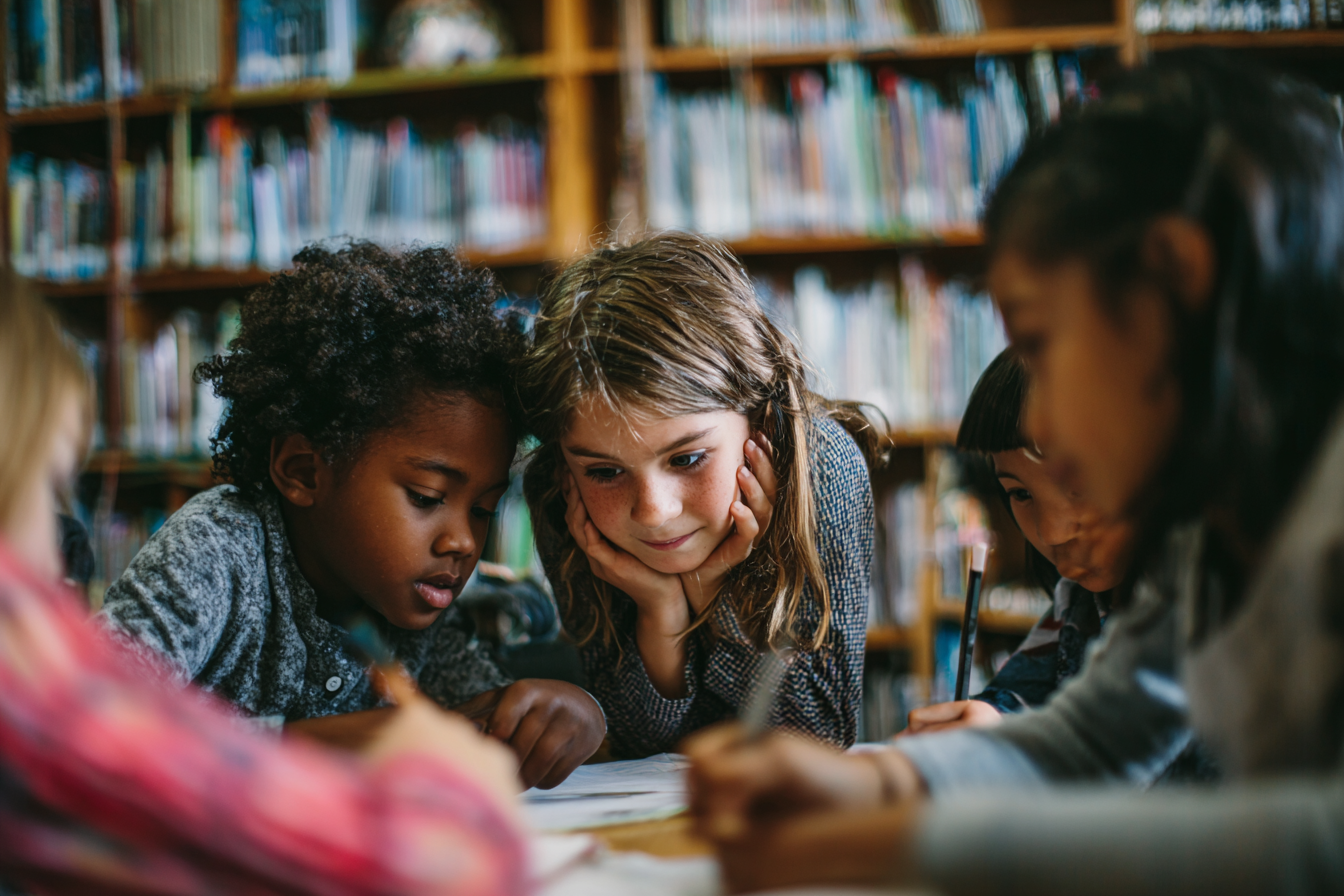
Focus: Help students broaden their reading and learning experiences by trying new genres, formats, tools, and media they may not normally choose. Students sample options such as poetry, biography, graphic nonfiction, folktales, and digital reference tools, then reflect on which ones surprised them, interested them, or helped them grow as readers.
Grade Level: 3
Subject Area: Library (Reading Growth • Choice • Response/Reflection)
Total Unit Duration: 1–3 weeks, 50–60 minutes per session
I. Introduction
This unit helps Grade 3 students begin moving beyond only choosing familiar favorites and toward thinking about reading growth. By this point in the year, many students have clear preferences, but they are also ready to notice that trying something new can expand what they enjoy and how they learn. The librarian introduces several genres, formats, and tools that may be less familiar, such as poetry, biography, graphic nonfiction, folktales, or digital reference resources, and supports students as they sample and reflect on them. The goal is not to replace favorite reading choices, but to help students see that strong readers stay curious, take small risks, and remain open to new possibilities.
Essential Questions
- Why is it helpful to try new genres and formats as a reader and learner?
- How can a new type of book or tool surprise me or help me grow?
- How do readers choose between a favorite and something that stretches them?
- How can I clearly explain what I learned or noticed from a new reading experience?
II. Objectives and Standards
Learning Objectives — Students will be able to:
- Choose books and materials based on interest, reading purpose, topic, genre, recommendation, author, or needed information.
- Try new genres, formats, tools, and media with curiosity and a willingness to grow as a reader and learner.
- Sample several different reading or information options and reflect on what each one offers.
- Explain how a new genre, format, or tool was similar to or different from what they usually choose.
- Create or share a product, response, or explanation that clearly shows understanding of a story, topic, or question.
- (Optional Sessions) Strengthen reading growth habits through repeated sampling, comparison of familiar and unfamiliar choices, and clearer reflection on what different genres and formats offer.
Standards Alignment — 3rd Grade (AASL-based Custom)
- L:S4.3a — Choose books and materials based on interest, reading purpose, topic, genre, recommendation, author, or needed information.
- Example: A student chooses a biography because they want to learn about an important historical person.
- L:S5.3b — Try new genres, formats, tools, and media with curiosity and a willingness to grow as a reader and learner.
- Example: A student reads poetry or uses a digital encyclopedia even though it is not their usual choice.
- L:S5.3c — Create or share a product, response, or explanation that clearly shows understanding of a story, topic, or question.
- Example: A student creates a simple poster, slide, retelling map, or oral explanation to show what they learned.
Success Criteria — Student Language
- I can try a new genre, format, or tool with curiosity.
- I can explain how a new choice is different from what I usually read or use.
- I can choose a book or resource for a clear reason.
- I can reflect on what surprised me or helped me grow as a reader.
- I can create a response that clearly shows what I understood from a new reading experience.