Unit Plan 9 (Grade 4 Counselor): Belonging and Classroom Community
Help Grade 4 students build belonging through empathy, inclusion, respectful communication, and daily choices that strengthen classroom trust.

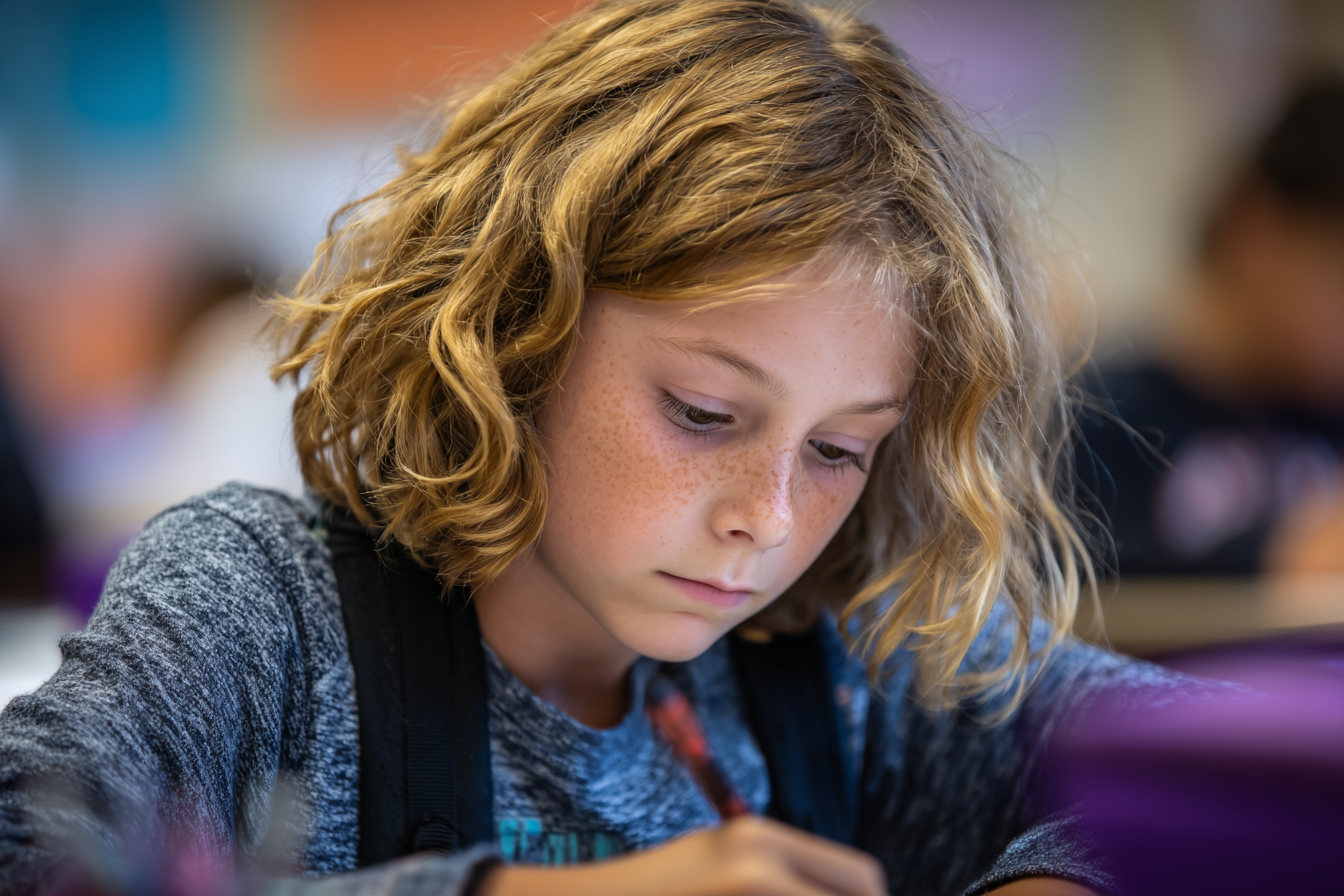
Focus: Help students understand that belonging is built through daily choices. The counselor guides students through scenarios about inclusion, group work, jokes, teasing, seating choices, and recess behavior. Students identify words and actions that help classmates feel respected and valued, then name one way they can contribute positively to the classroom community.
Grade Level: 4
Subject Area: School Counseling (Belonging • Empathy • Respectful Communication)
Total Unit Duration: 1–2 weeks, 30 minutes per session
I. Introduction
This Grade 4 counseling lesson helps students understand that belonging is not something that happens by accident. Belonging is built through daily words, choices, and actions that help classmates feel included, respected, trusted, and valued. Students learn that small moments, such as inviting someone into a group, listening to an idea, stopping a hurtful joke, or choosing kind words, can make the classroom feel safer and more welcoming.
Students examine realistic Grade 4 scenarios involving group work, seating choices, recess games, jokes, teasing, exclusion, and disagreement. The counselor helps students identify how classmates may feel, which responses build belonging, and which choices damage trust. The goal is for students to recognize that every student can contribute to a respectful classroom community.
Essential Questions
- What does belonging mean in a classroom community?
- How do words, choices, and actions help classmates feel respected and valued?
- How can empathy help students notice when someone feels left out, embarrassed, or ignored?
- What respectful communication skills help students build trust during group work, recess, and disagreements?
II. Objectives and Standards
Learning Objectives — Students will be able to:
- Explain that belonging is built through daily words, choices, actions, and respectful routines.
- Identify classroom and school behaviors that support belonging, respect, inclusion, and trust.
- Recognize how classmates may feel in situations involving exclusion, teasing, jokes, group work, seating choices, or recess behavior.
- Practice respectful communication phrases that include others, respond to disagreement, and reduce hurtful behavior.
- Choose one positive action they can use to contribute to the classroom community.
- (Optional Session) Create a classroom belonging pledge, kindness plan, or inclusion response card.
Standards Alignment — Grade 4 (ASCA-based Custom)
- C:S1.4c — Contribute to a Respectful Classroom and School Community
- Recognize how personal words, choices, and actions can support belonging, respect, inclusion, and trust.
- Example: A student invites a classmate into a group and makes sure everyone has a meaningful role.
- C:S3.4a — Show Empathy and Respect for Others
- Recognize how others may feel and respond with kindness, respect, and care.
- Example: A student notices a classmate is being left out of a game and says, “You can join our team.”
- C:S3.4c — Communicate Respectfully with Peers and Adults
- Use respectful language, active listening, assertive communication, and connected responses during conversations, disagreements, and group work.
- Example: A student says, “I understand your idea, but I think we should try this because it solves the problem faster.”
Success Criteria — Student Language
- I can explain what belonging means.
- I can identify choices that help classmates feel respected, included, and valued.
- I can notice how someone might feel when they are left out, teased, ignored, or embarrassed.
- I can use respectful words during group work, recess, seating choices, or disagreement.
- I can name one way I can help build a positive classroom community.