Unit Plan 25 (Grade 4 Counselor): Empathy, Inclusion, and Group Belonging
Teach Grade 4 students to notice exclusion, build belonging, offer roles, include classmates, and strengthen empathy in group settings.

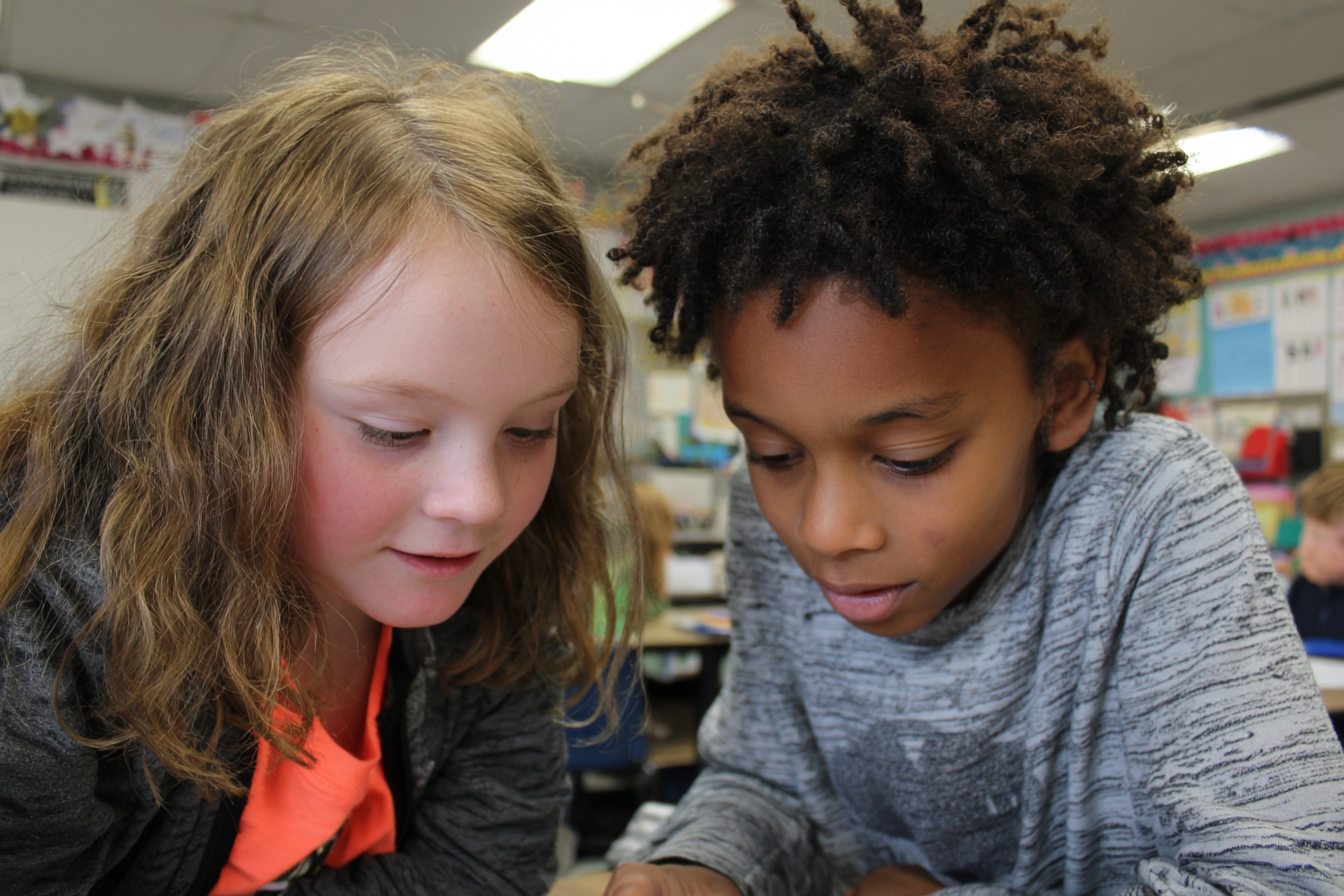
Focus: Help students notice exclusion and respond in ways that create belonging. The counselor uses scenarios involving group projects, recess teams, lunch tables, inside jokes, and partner choices. Students identify how different people might feel and brainstorm inclusive actions such as offering a role, inviting someone in, changing the game, or speaking up respectfully when someone is treated unfairly.
Grade Level: 4
Subject Area: School Counseling (Empathy • Inclusion • Group Belonging)
Total Unit Duration: 1–2 weeks, 30 minutes per session
I. Introduction
This Grade 4 counseling lesson helps students understand that belonging is created through daily words, choices, and actions. Students learn to notice when someone may be excluded from a group, ignored during a project, left out of a recess game, overlooked at lunch, or made uncomfortable by inside jokes. The counselor emphasizes that students do not have to be best friends with everyone, but they are responsible for treating classmates with respect, fairness, and care.
Students practice identifying how different people may feel in group situations and brainstorm ways to build inclusion. They explore actions such as inviting someone in, offering a meaningful role, changing a game so more people can participate, listening to ideas, and speaking up respectfully when someone is treated unfairly. The goal is for students to see themselves as positive contributors who can help groups feel safer, kinder, and more welcoming.
Essential Questions
- What does group belonging look and feel like?
- How can students notice when someone is being excluded or ignored?
- What words and actions help classmates feel included, respected, and valued?
- How can cooperation, empathy, and shared roles help groups succeed?
II. Objectives and Standards
Learning Objectives — Students will be able to:
- Explain how belonging, inclusion, respect, and trust are built through daily words, choices, and actions.
- Identify how classmates may feel when they are excluded, ignored, left out, or given no meaningful role.
- Brainstorm inclusive actions such as inviting someone in, offering a role, changing a game, listening to ideas, or speaking up respectfully.
- Practice cooperation skills by sharing responsibilities, listening to ideas, accepting roles, and helping the group succeed.
- Choose respectful responses when group projects, recess teams, lunch tables, partner choices, or inside jokes create exclusion.
- (Optional Session) Practice inclusion and group belonging through role-play, scenario sorting, or a classroom community challenge.
Standards Alignment — Grade 4 (ASCA-based Custom)
- C:S1.4c — Contribute to a Respectful Classroom and School Community
- Recognize how personal words, choices, and actions can support belonging, respect, inclusion, and trust.
- Example: A student invites a classmate into a group and makes sure everyone has a meaningful role.
- C:S3.4a — Show Empathy and Respect for Others
- Recognize how others may feel and respond with kindness, respect, and care.
- Example: A student notices a classmate is being left out of a game and says, “You can join our team.”
- C:S3.4b — Cooperate and Contribute in Groups
- Work cooperatively by sharing responsibilities, listening to ideas, accepting roles, and helping the group succeed.
- Example: A student agrees to be the recorder while another student leads the discussion during a group task.
Success Criteria — Student Language
- I can notice when someone may feel excluded or left out.
- I can explain how someone might feel in a group situation.
- I can choose words or actions that build belonging and inclusion.
- I can help a group succeed by listening, sharing roles, and including others.
- I can speak up respectfully when someone is treated unfairly.