Unit Plan 28 (Grade 4 Library): Books and Topics That Raise Big Ideas
Grade 4 library unit plan exploring big ideas and themes through reading, discussion, writing, and text-based responses supported by evidence.

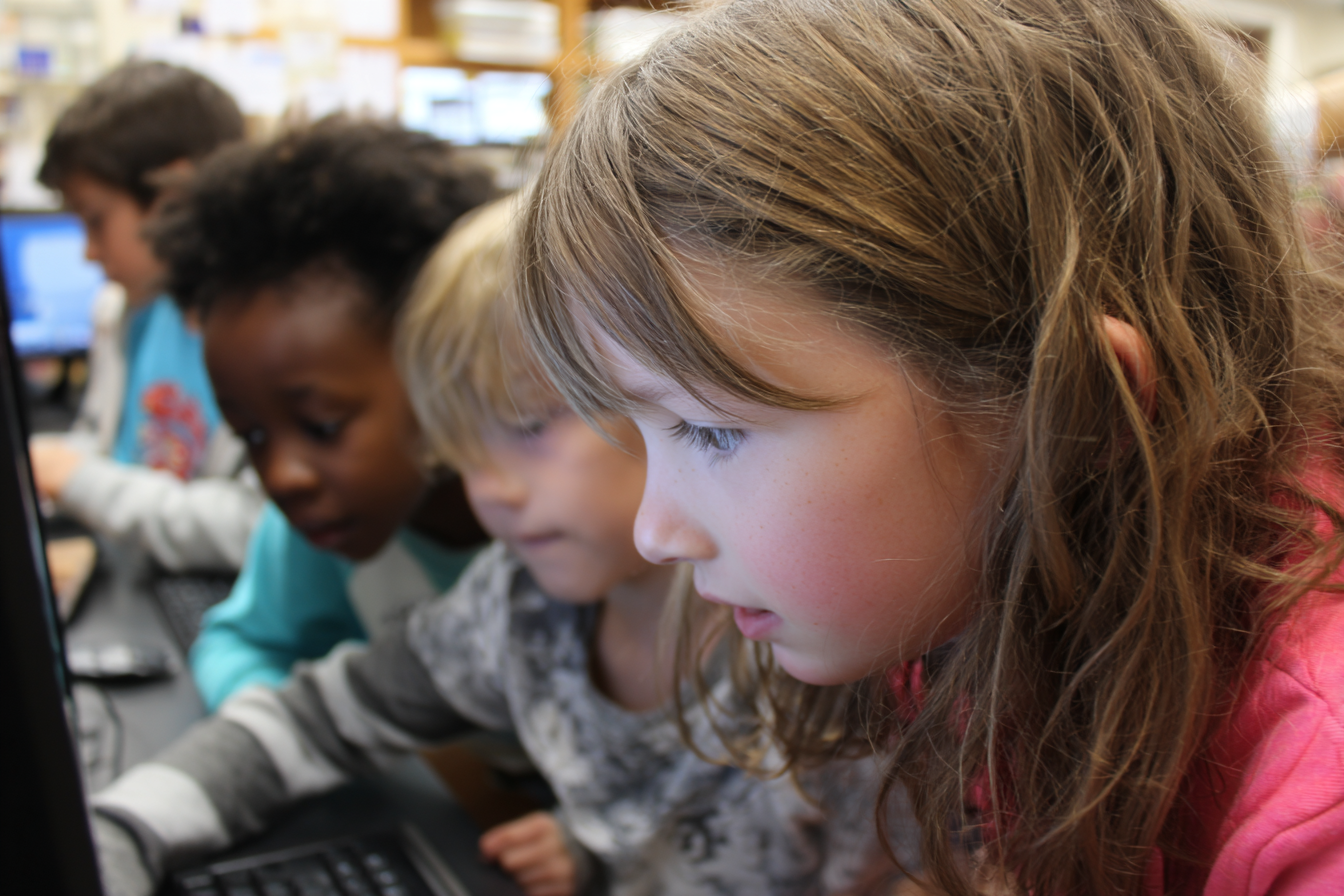
Focus: Help students consider how stories and informational texts can raise larger ideas and questions about topics such as fairness, identity, courage, invention, community, and responsibility. Students use reading, discussion, writing, and other response formats to explore what a text makes them think and how details from the text support those ideas.
Grade Level: 4
Subject Area: Library (Reading/Inquiry • Discussion/Response • Big Ideas/Theme)
Total Unit Duration: 1–3 weeks, 50–60 minutes per session
I. Introduction
This unit helps Grade 4 students move beyond simply understanding what a text says and begin thinking about what it means. Through carefully chosen stories and informational texts, students explore how reading can raise bigger questions about fairness, courage, identity, invention, responsibility, and life in a community. The librarian models how strong readers notice important details, ask thoughtful questions, and connect those details to larger ideas. Students then use discussion, writing, art, or other response methods to explain what the reading made them think and why.
Essential Questions
- How can books and informational texts raise big ideas and important questions?
- What details in a text help readers think about themes such as fairness, courage, identity, invention, community, or responsibility?
- How can I support my thinking with details from the text?
- How can I use discussion, writing, art, or another response format to show what a text made me think about?
II. Objectives and Standards
Learning Objectives — Students will be able to:
- Use books, text features, images, discussion, and simple search tools to gather information and build understanding.
- Identify a larger idea or question raised by a story or informational text.
- Share observations, predictions, text-based connections, and supported conclusions about stories and topics.
- Explain how details from a text support a bigger idea, theme, or question.
- Use reading, writing, discussion, art, building, technology, or presentation to explore and respond to ideas from library lessons.
- (Optional Sessions) Deepen understanding of theme and significance by comparing ideas across texts, refining supported responses, and exploring multiple response formats.
Standards Alignment — 4th Grade (AASL-based Custom)
- L:S1.4b — Use books, text features, images, discussion, and simple search tools to gather information and build understanding.
- Example: A student uses headings, captions, a glossary, and a table of contents to locate information about weather patterns.
- L:S1.4c — Share observations, predictions, text-based connections, and supported conclusions about stories and topics.
- Example: A student explains, “I think the main character changed because the dialogue and actions at the end are very different from the beginning.”
- L:S5.4a — Use reading, writing, discussion, art, building, technology, or presentation to explore and respond to ideas from library lessons.
- Example: A student creates a written or visual response showing how a story’s theme connects to a character’s actions.
Success Criteria — Student Language
- I can notice a big idea or important question in a story or informational text.
- I can use details from the text to explain my thinking.
- I can share an observation, connection, or supported conclusion about what I read.
- I can use discussion, writing, art, or another response method to show what a text made me think about.
- I can explain why a detail matters to a bigger idea or theme.