Unit Plan 17 (Grade 4 Library): Comparing Information Across Multiple Sources
Compare multiple sources on the same topic with this Grade 4 library unit focused on similarities, differences, unique details, organization, and clear response.

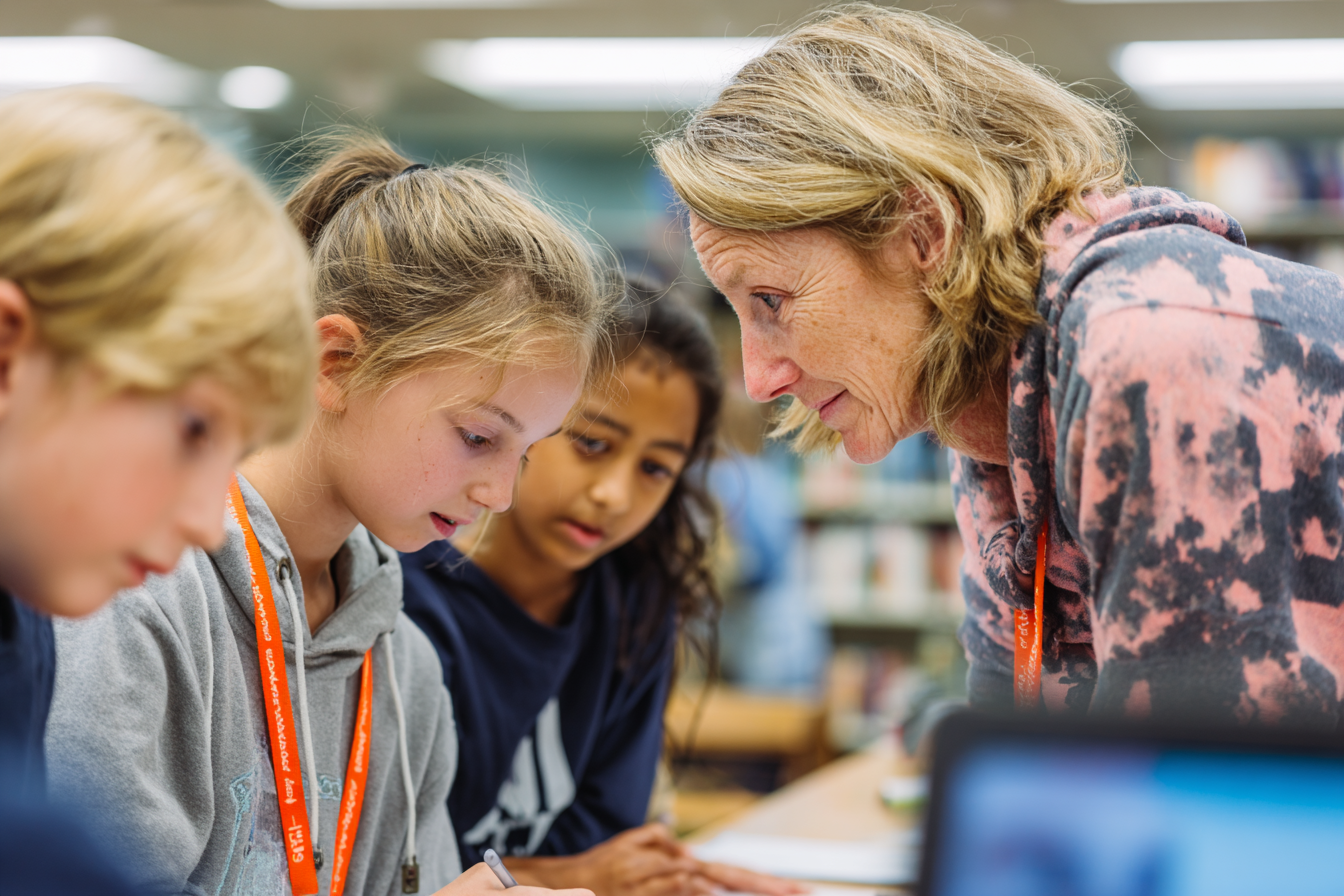
Focus: Help students compare what different sources say about the same topic by noticing similarities, differences, and unique information. Students use books, articles, excerpts, images, text features, and discussion to build understanding across more than one source, then communicate what they learned through charts, writing, or short presentations.
Grade Level: 4
Subject Area: Library (Inquiry • Source Comparison • Response/Communication)
Total Unit Duration: 1–3 weeks, 50–60 minutes per session
I. Introduction
This unit helps Grade 4 students move beyond relying on a single source for information. Through paired books, short articles, excerpts, and other informational materials, students practice comparing what different sources say about the same topic. They learn to notice what two sources have in common, what is different, and what each source contributes that the other does not. By organizing information into compare-and-contrast charts and discussing what they find, students begin to understand that strong readers and researchers often need multiple sources to build fuller understanding.
Essential Questions
- Why do readers and researchers sometimes need more than one source on the same topic?
- How can I compare what different sources say by finding similarities, differences, and unique information?
- How do text features, images, and source organization help me gather information from multiple sources?
- How can I clearly communicate what I learned from comparing two or more sources?
II. Objectives and Standards
Learning Objectives — Students will be able to:
- Use books, text features, images, discussion, and simple search tools to gather information from more than one source.
- Compare two sources on the same topic by identifying similarities, differences, and unique details.
- Sort and organize information from multiple sources in a clear way, such as a chart, labeled notes, or categories.
- Explain how different sources can add to or change understanding of a topic.
- Create or share a product, response, or explanation that clearly communicates what was learned from multiple sources.
- (Optional Sessions) Strengthen comparison skills by using more complex source sets, organizing information more clearly, and refining written or spoken explanations.
Standards Alignment — 4th Grade (AASL-based Custom)
- L:S1.4b — Use books, text features, images, discussion, and simple search tools to gather information and build understanding.
- Example: A student uses headings, captions, a glossary, and a table of contents to locate information about weather patterns.
- L:S4.4c — Sort, group, and organize books, resources, or information by genre, topic, feature, purpose, or relevance.
- Example: A student groups sources into categories such as primary interest, supporting information, and extra reading during a library project.
- L:S5.4c — Create or share a product, response, or explanation that clearly communicates understanding of a story, topic, or question.
- Example: A student creates a mini poster, slide, comparison chart, or short presentation to explain what they learned from multiple sources.
Success Criteria — Student Language
- I can use more than one source to learn about the same topic.
- I can find what two sources say that is the same, different, or unique.
- I can organize what I learn using a chart, notes, or categories.
- I can explain how each source helped me understand the topic better.
- I can create a response that clearly shows what I learned from comparing sources.