Unit Plan 13 (Grade 4 Library): Fiction, Nonfiction, and Hybrid Reading Purposes
Explore how fiction, nonfiction, and hybrid texts meet different reading needs as Grade 4 students compare sources and choose texts with purpose.

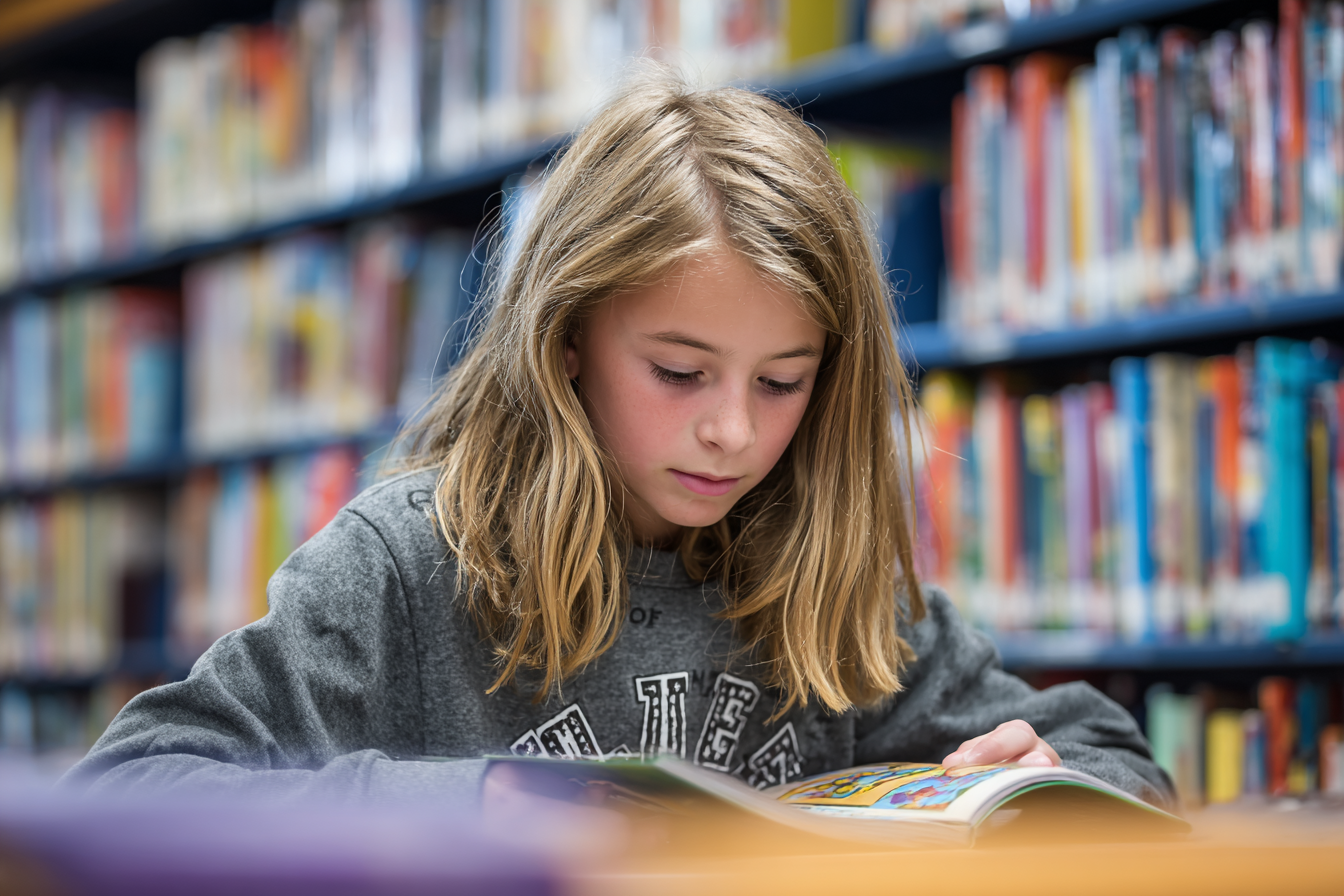
Focus: Help students understand that different texts meet different reading needs and purposes. Students compare fiction, nonfiction, and hybrid or visually rich reference sources on a similar subject, then discuss what each source does well and when a reader might choose one over another.
Grade Level: 4
Subject Area: Library (Reading • Inquiry • Text Types/Choice)
Total Unit Duration: 1–3 weeks, 50–60 minutes per session
I. Introduction
This unit helps Grade 4 students recognize that not all texts do the same job for a reader. A fiction text may help a reader imagine a character’s experience, a nonfiction text may provide facts and explanations, and a hybrid or visually rich reference source may combine images, labels, charts, and short text to make information easier to find. By comparing texts on a similar topic, students learn that readers choose sources based on purpose, question, curiosity, and information need. The goal is to help students become more flexible readers who can match a text type to what they want or need from reading.
Essential Questions
- How do fiction, nonfiction, and hybrid/reference texts meet different reading purposes?
- What does each type of text do especially well for a reader?
- How can a reader decide which kind of source is the best fit for a particular question or purpose?
- How can trying new text types help me grow as a reader and learner?
II. Objectives and Standards
Learning Objectives — Students will be able to:
- Identify differences among fiction, nonfiction, and hybrid/reference texts.
- Use books, text features, images, discussion, and simple search tools to gather information and build understanding from different text types.
- Explain when a reader might choose one kind of text over another based on purpose, topic, interest, or information need.
- Compare the strengths of different sources on a similar subject.
- Show curiosity and willingness to explore a less familiar genre, format, or tool.
- (Optional Sessions) Deepen understanding of reading purposes by comparing more sources, practicing purposeful source selection, and reflecting on how text type affects learning.
Standards Alignment — 4th Grade (AASL-based Custom)
- L:S1.4b — Use books, text features, images, discussion, and simple search tools to gather information and build understanding.
- Example: A student uses headings, captions, a glossary, and a table of contents to locate information about weather patterns.
- L:S4.4a — Choose books and materials based on reading purpose, topic, genre, recommendation, author, series, interest, or information need.
- Example: A student selects a historical fiction book because they want both a story and a stronger understanding of a time period.
- L:S5.4b — Try new genres, formats, tools, and media with curiosity and a willingness to grow as a reader and learner.
- Example: A student explores biography, poetry, or a digital reference source even though it is outside their usual reading habits.
Success Criteria — Student Language
- I can explain how fiction, nonfiction, and hybrid/reference texts are different.
- I can use text features, images, and discussion to learn from different kinds of sources.
- I can choose a source based on my purpose or question.
- I can explain what one text type does better than another for a reader.
- I can show curiosity by trying a kind of text or source that is new to me.