Unit Plan 31 (Grade 4 Library): Learning from Different Formats and Media
Grade 4 library unit plan on comparing print, audio, images, and digital sources to build media literacy, source evaluation, and communication skills.

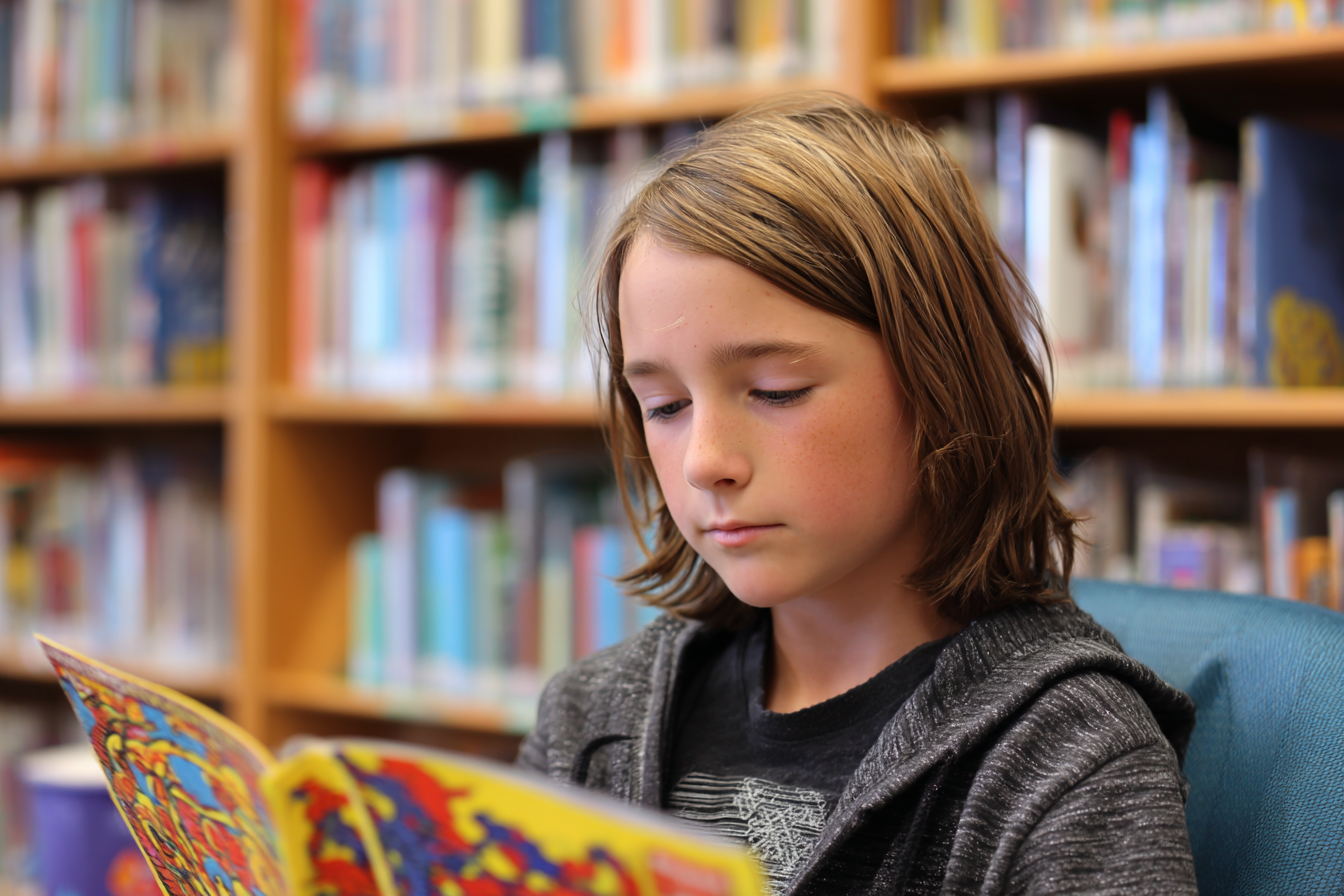
Focus: Help students compare how print, audio, images, and digital sources communicate ideas and support understanding. Students gather information from multiple formats on one shared topic, reflect on which formats are most useful for different purposes, and communicate what they learned in a clear, organized way.
Grade Level: 4
Subject Area: Library (Media Literacy • Inquiry/Response • Source Use)
Total Unit Duration: 1–3 weeks, 50–60 minutes per session
I. Introduction
This unit helps Grade 4 students think more consciously about how different formats and media shape learning. In upper elementary library, students increasingly encounter ideas through print texts, audio clips, images, and digital sources, and they need practice noticing what each format does especially well. Through a shared topic study, students gather information from several formats, compare their usefulness, and reflect on how different media support understanding in different ways. The goal is to help students become more flexible, thoughtful learners who can use a variety of formats with purpose and curiosity.
Essential Questions
- How do print, audio, images, and digital sources communicate ideas in different ways?
- What can one format help me understand that another format may not show as clearly?
- How can I decide which format is most useful for a certain learning purpose?
- How can I use books, technology, materials, and shared spaces responsibly while working with multiple formats?
- How can I clearly communicate what I learned from comparing formats and media?
II. Objectives and Standards
Learning Objectives — Students will be able to:
- Try new genres, formats, tools, and media with curiosity and a willingness to grow as a reader and learner.
- Compare how print, audio, images, and digital sources communicate information or ideas.
- Explain what each format adds to understanding and which format may be most useful for a specific purpose.
- Create or share a product, response, or explanation that clearly communicates understanding of a topic or question.
- Use books, technology, materials, and shared spaces safely, responsibly, and respectfully while working with multiple formats.
- (Optional Sessions) Strengthen media comparison skills through repeated source analysis, clearer organization of ideas, and more thoughtful responses about usefulness and format choice.
Standards Alignment — 4th Grade (AASL-based Custom)
- L:S5.4b — Try new genres, formats, tools, and media with curiosity and a willingness to grow as a reader and learner.
- Example: A student explores biography, poetry, or a digital reference source even though it is outside their usual reading habits.
- L:S5.4c — Create or share a product, response, or explanation that clearly communicates understanding of a story, topic, or question.
- Example: A student creates a mini poster, slide, comparison chart, or short presentation to explain what they learned from multiple sources.
- L:S6.4b — Use books, technology, materials, and shared spaces safely, responsibly, and respectfully.
- Example: A student uses a device appropriately, handles library materials carefully, and leaves a station organized for the next learner.
Success Criteria — Student Language
- I can explore different formats and media with curiosity.
- I can explain how print, audio, images, and digital sources help me understand in different ways.
- I can decide which format is most useful for a certain purpose and explain why.
- I can create a response that clearly shows what I learned from comparing formats.
- I can use books, technology, materials, and shared spaces responsibly while I work.