Unit Plan 20 (Grade 4 Library): Using Print, Audio, and Digital Sources Together
Compare print, audio, and digital sources in Grade 4 Library as students build media literacy, discuss learning across formats, and use tools responsibly.

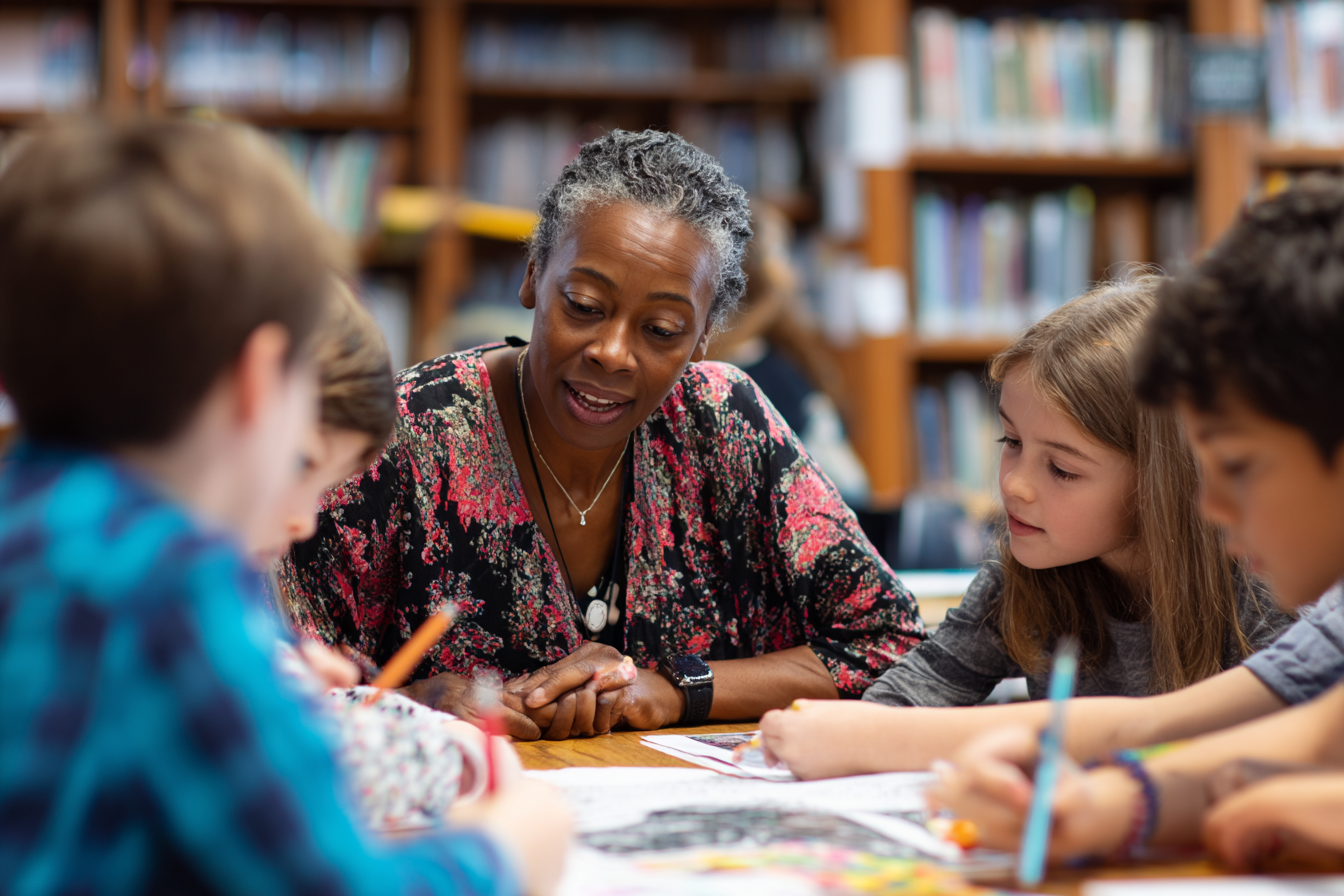
Focus: Help students compare how print, audio, and digital sources present information or stories and what each format adds to understanding. Students explore how different media support learning in different ways while also practicing respectful, responsible use of books, devices, materials, and shared spaces during library work.
Grade Level: 4
Subject Area: Library (Media Literacy • Inquiry • Discussion/Participation)
Total Unit Duration: 1–3 weeks, 50–60 minutes per session
I. Introduction
This unit helps Grade 4 students recognize that information and stories can come through many formats, including print books, audio or video clips, and digital reference tools. Instead of treating one format as the only “real” source, students compare what each source adds and how different media help readers and learners in different ways. Through shared topic sets, note-taking, discussion, and short response tasks, students begin to understand that strong learners use multiple formats thoughtfully. The unit also reinforces that using technology, materials, and shared spaces responsibly is part of being a successful library learner.
Essential Questions
- How do print, audio, and digital sources help readers and learners in different ways?
- What can one format help me understand that another format may not show as clearly?
- How can I use books, devices, and shared materials responsibly and respectfully while learning?
- How can I participate thoughtfully in discussion and sharing when comparing different media formats?
II. Objectives and Standards
Learning Objectives — Students will be able to:
- Explore and compare print, audio, and digital sources on a similar topic or story.
- Try new formats, tools, and media with curiosity and a willingness to grow as a reader and learner.
- Use books, technology, materials, and shared spaces safely, responsibly, and respectfully during library activities.
- Participate respectfully in reading, listening, viewing, discussing, creating, and sharing in the library.
- Explain what each format adds to understanding and which source might work best for a particular purpose.
- (Optional Sessions) Deepen media comparison skills by revisiting multiple formats, organizing what each source adds, and creating clearer responses about how different media support learning.
Standards Alignment — 4th Grade (AASL-based Custom)
- L:S5.4b — Try new genres, formats, tools, and media with curiosity and a willingness to grow as a reader and learner.
- Example: A student explores biography, poetry, or a digital reference source even though it is outside their usual reading habits.
- L:S6.4b — Use books, technology, materials, and shared spaces safely, responsibly, and respectfully.
- Example: A student uses a device appropriately, handles library materials carefully, and leaves a station organized for the next learner.
- L:S6.4c — Participate respectfully in reading, listening, discussing, viewing, creating, and sharing in the library.
- Example: A student contributes to discussion, listens actively, and responds appropriately during partner, small-group, and whole-class learning.
Success Criteria — Student Language
- I can try print, audio, and digital sources with curiosity.
- I can explain how different formats help me understand in different ways.
- I can use books, devices, materials, and shared spaces responsibly.
- I can participate respectfully during reading, listening, viewing, discussion, and sharing.
- I can explain which format is most helpful for a certain purpose and why.