Unit Plan 14 (Grade 5 Band): Comparing Performances
Compare two performances of the same piece as Grade 5 band students analyze tempo, dynamics, mood, and sound differences using listening evidence.

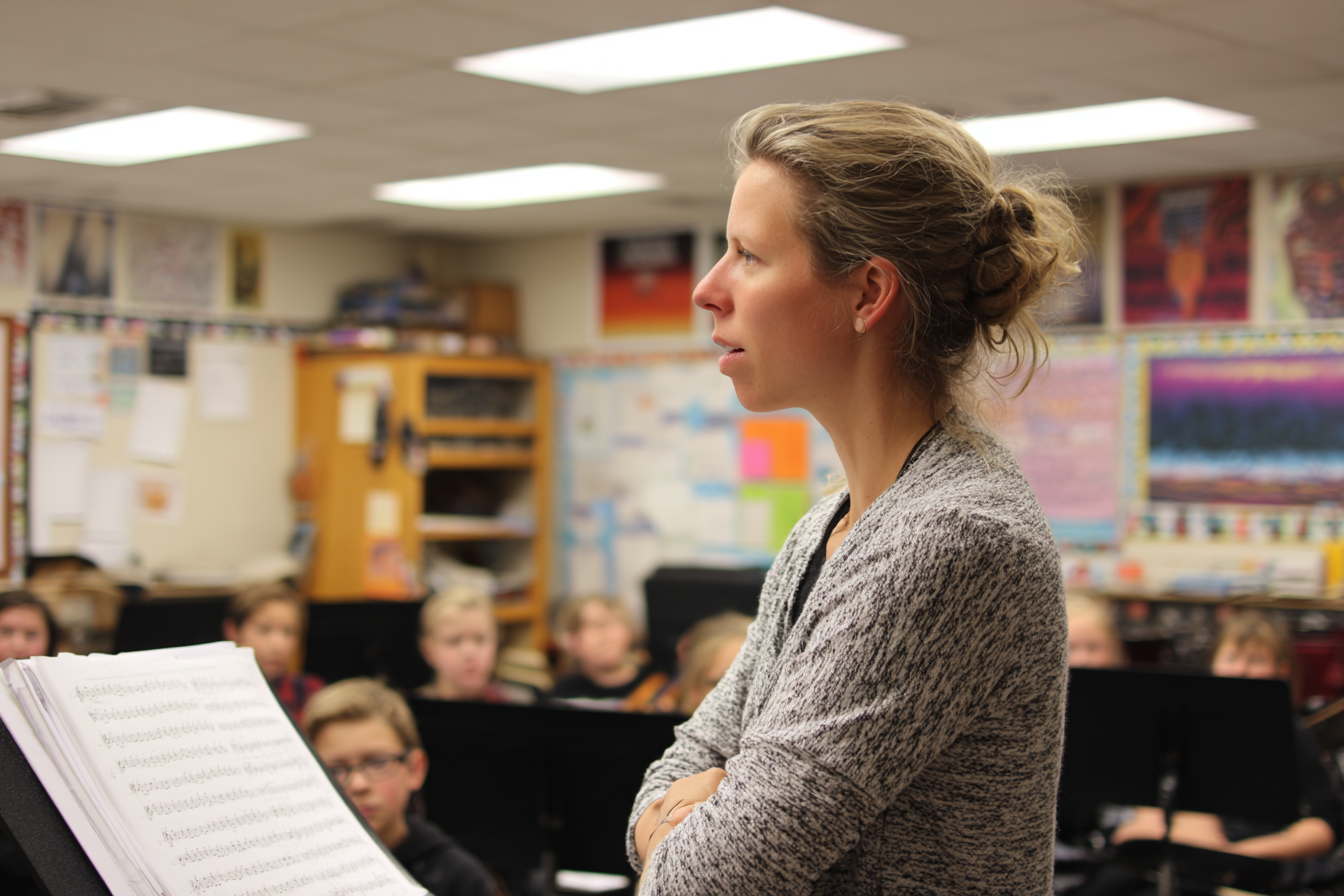
Focus: Compare two performances of the same piece and describe differences in tempo, dynamics, and overall sound.
Grade Level: 5
Subject Area: Band (Performing • Responding • Connecting)
Total Unit Duration: 5 sessions (1–2 weeks), 30 minutes per session
I. Introduction
Students become “sound detectives” by listening to two performances of the same piece and noticing how they are similar and different. Using clear listening jobs, simple comparison charts, and short reflections, students focus on tempo (fast/slow), dynamics (loud/soft), and overall energy or mood. They practice using everyday language (quiet, calm, exciting) alongside musical terms and begin to explain which performance they prefer and why.
Essential Questions
- How can two performances of the same piece sound different?
- How do tempo and dynamics change the energy and mood of music?
- How can we explain our opinions about performances using musical words and evidence from what we hear?
II. Objectives and Standards
Learning Objectives — Students will be able to:
- Listen to two performances of the same piece and identify at least two differences (e.g., faster/slower, louder/softer).
- Use a comparison chart or Venn diagram to describe how tempo and dynamics change the feeling of the music.
- Use simple musical vocabulary (tempo, dynamics, loud, soft, fast, slow, calm, energetic) to talk about performance differences.
- Share a short opinion statement about which performance they prefer and why, using at least one piece of listening evidence.
- (Optional) Apply comparison skills to student or small-group performances, using a basic class checklist or rubric.
Standards Alignment — Grade 5 Band (custom, NAfME-style)
- BD:Re8.5a — Compare two performances of the same piece, noting differences in tempo and dynamics.
- Example: Students compare two recordings and explain which sounds more energetic and why.
Success Criteria — Student Language
- I can hear and describe how two performances of the same piece are different.
- I can use words like faster/slower and louder/softer to compare performances.
- I can explain how changes in tempo and dynamics make music feel calm, exciting, or powerful.
- I can say which performance I prefer and give at least one reason based on what I heard.