Unit Plan 4 (Grade 5 Counselor): Empathy and Respectful Leadership
Help Grade 5 students build empathy, inclusion, and respectful leadership skills through realistic peer scenarios, discussion, and role-play.

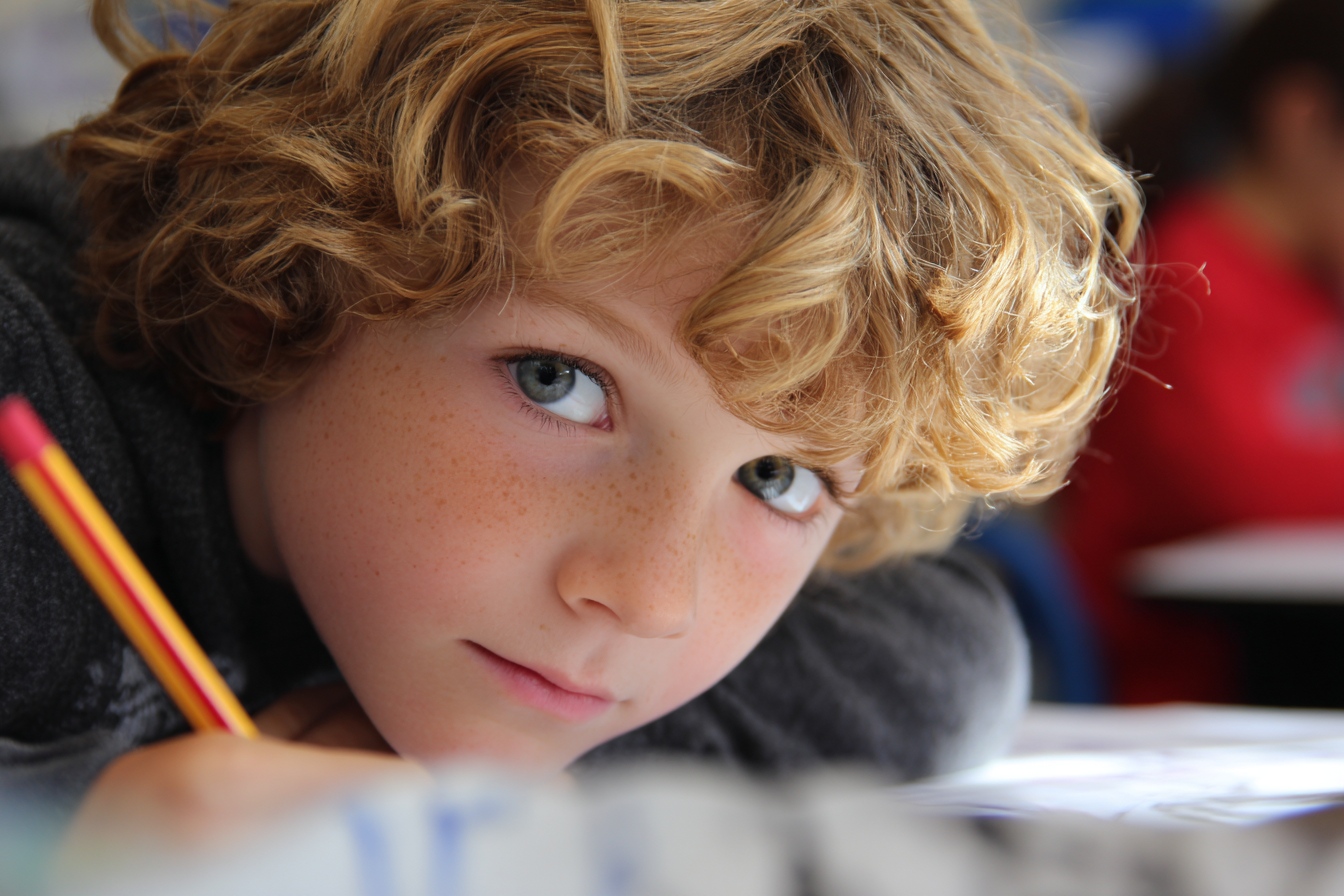
Focus: Help students connect empathy with respectful leadership. Students explore how mature leaders notice others’ feelings, include classmates, avoid embarrassing others, and respond with respect during difficult moments in group work, recess, lunch, class discussions, and peer mistakes.
Grade Level: 5
Subject Area: School Counseling (Social-Emotional Learning • Empathy • Leadership)
Total Unit Duration: 1–2 weeks, 30 minutes per session
I. Introduction
This Grade 5 counseling lesson helps students understand that leadership is not only about being in charge. Respectful leaders notice how others may feel, include classmates, respond calmly, and use their influence to make the school community safer and kinder. Since Grade 5 students are often looked up to by younger students, they can practice leadership by choosing words and actions that support belonging, trust, and respect.
Students analyze realistic scenarios involving group work, recess, lunch tables, class discussions, and peer mistakes. They practice identifying how someone might feel and choosing an empathetic response instead of laughing, ignoring, excluding, gossiping, or embarrassing others. The goal is to help students see empathy as a mature leadership skill they can use every day.
Essential Questions
- What does empathy look like in real school situations?
- How can Grade 5 students show respectful leadership through their words and actions?
- Why is it important to include others and avoid embarrassing classmates?
- How do empathy, respect, and inclusion help build a positive school community?
II. Objectives and Standards
Learning Objectives — Students will be able to:
- Define empathy and explain how it connects to respectful leadership.
- Recognize how classmates may feel in situations involving mistakes, exclusion, conflict, embarrassment, or group work.
- Identify respectful and disrespectful responses to peer situations.
- Practice choosing mature, empathetic responses that protect others’ dignity and support inclusion.
- Explain how personal words, choices, attitudes, and actions can build belonging, trust, respect, and leadership in the school community.
- (Optional Session) Practice role-play responses that show empathy, inclusion, encouragement, and respectful leadership.
Standards Alignment — Grade 5 (ASCA-based Custom)
- C:S3.5a — Show Empathy and Respect for Others
- Recognize how others may feel and respond with kindness, respect, care, and maturity.
- Example: A student notices that a classmate is embarrassed after a mistake and responds with encouragement instead of laughter.
- C:S1.5c — Contribute to a Respectful and Inclusive School Community
- Recognize how personal words, choices, attitudes, and actions can support belonging, respect, inclusion, trust, and leadership.
- Example: A student notices a classmate being left out of a group and helps create a role so the classmate can participate.
Success Criteria — Student Language
- I can explain what empathy means.
- I can notice how someone might feel in a difficult school situation.
- I can choose words or actions that show kindness, respect, and maturity.
- I can explain how including others helps build a respectful school community.
- I can describe how Grade 5 students can be respectful leaders.