Unit Plan 25 (Grade 5 Counselor): Empathy, Inclusion, and Positive Peer Leadership
Help Grade 5 students build peer leadership through empathy, inclusion, bystander action, and respectful choices that reduce harm.

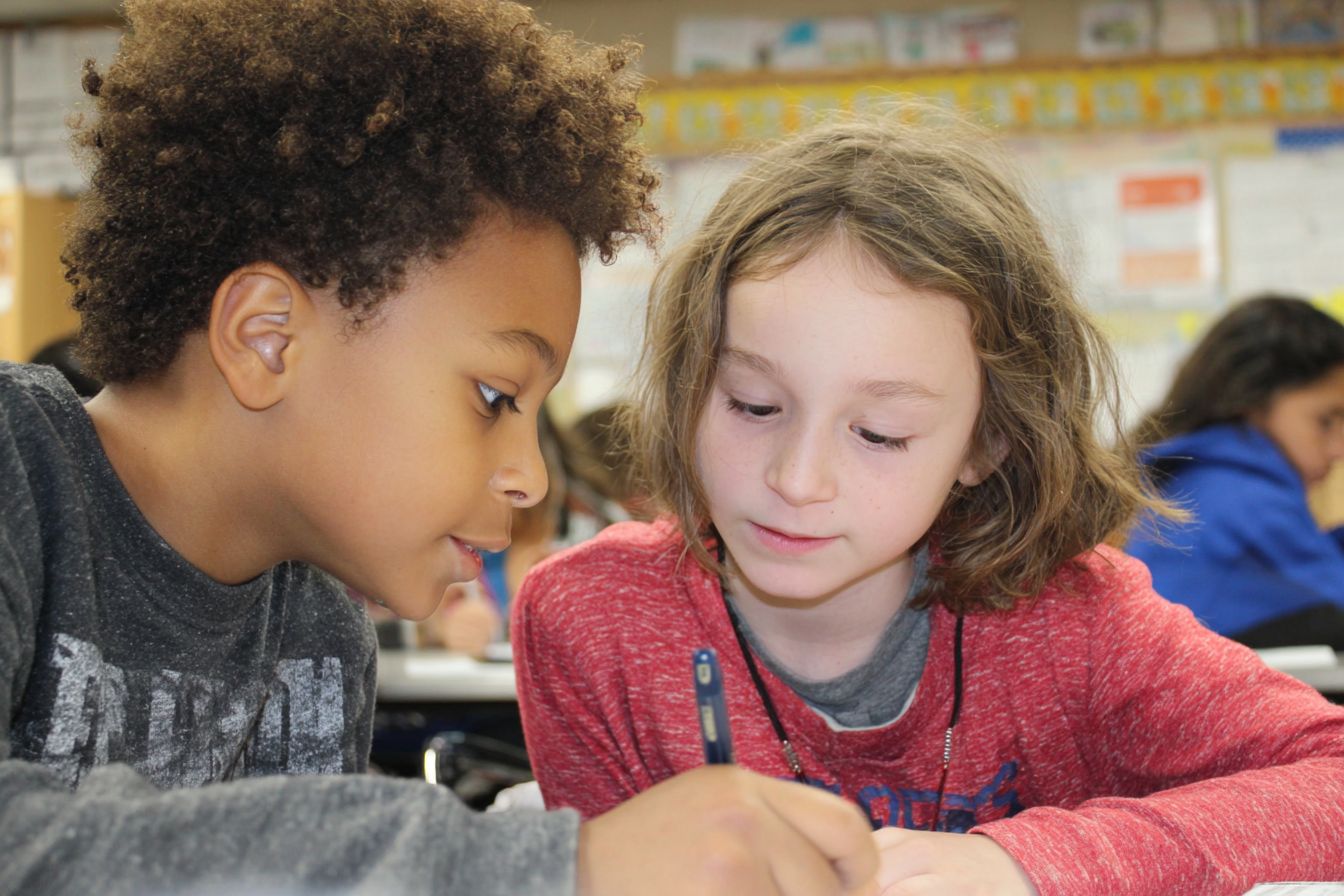
Focus: Help students understand that leadership includes using influence to include others, reduce harm, and strengthen the school community. Students examine situations involving group projects, lunch tables, teams, rumors, jokes, exclusion, and social pressure, then brainstorm how bystanders and leaders can encourage kindness, invite others in, redirect harmful comments, or get adult support when needed.
Grade Level: 5
Subject Area: School Counseling (Empathy • Inclusion • Peer Leadership)
Total Unit Duration: 1–2 weeks, 30 minutes per session
I. Introduction
This Grade 5 counseling lesson helps students understand that leadership is not only about being in charge, being popular, or speaking the loudest. Positive peer leaders use their influence to include others, reduce harm, encourage kindness, and make the group safer and more respectful. Students learn that even small choices—inviting someone into a group, stopping a harmful joke, listening to a quieter voice, or getting adult support—can shape the school community.
Students analyze realistic peer situations involving group projects, lunch tables, teams, rumors, jokes, exclusion, and social pressure. The counselor helps students identify how others may feel, what bystanders can do, and how leadership can be shown through empathy, cooperation, and respectful action. The goal is for students to see themselves as capable of building belonging, trust, and positive peer culture.
Essential Questions
- What does positive peer leadership look like in Grade 5?
- How can students use empathy to notice when someone feels excluded, embarrassed, ignored, or pressured?
- What can bystanders and leaders do to reduce harm and build inclusion?
- When should students redirect a situation themselves, and when should they get adult support?
II. Objectives and Standards
Learning Objectives — Students will be able to:
- Explain that leadership includes using influence to support belonging, respect, inclusion, trust, and kindness.
- Recognize how classmates may feel in situations involving exclusion, rumors, jokes, group work problems, or social pressure.
- Identify positive peer leadership actions, such as inviting others in, encouraging classmates, redirecting harmful comments, sharing roles, and listening to ideas.
- Explain how bystanders can either increase harm, ignore harm, or help reduce harm through respectful action.
- Practice safe and respectful responses for inclusion, group cooperation, and adult help when needed.
- (Optional Session) Create or practice a peer leadership response plan for realistic school scenarios.
Standards Alignment — Grade 5 (ASCA-based Custom)
- C:S1.5c — Contribute to a Respectful and Inclusive School Community
- Recognize how personal words, choices, attitudes, and actions can support belonging, respect, inclusion, trust, and leadership.
- Example: A student notices a classmate being left out of a group and helps create a role so the classmate can participate.
- C:S3.5a — Show Empathy and Respect for Others
- Recognize how others may feel and respond with kindness, respect, care, and maturity.
- Example: A student notices that a classmate is embarrassed after a mistake and responds with encouragement instead of laughter.
- C:S3.5b — Cooperate, Lead, and Contribute in Groups
- Work cooperatively by sharing responsibilities, listening to ideas, accepting roles, encouraging others, and helping the group succeed.
- Example: A student helps a group divide work fairly so that one person is not doing everything.
Success Criteria — Student Language
- I can explain what positive peer leadership means.
- I can recognize how someone might feel when they are excluded, ignored, teased, or pressured.
- I can name actions that help others feel included and respected.
- I can describe how a bystander can help reduce harm.
- I can choose when to use respectful words, include someone, redirect a harmful comment, or get adult help.