Unit Plan 16 (Grade 5 Counselor): Friendship Changes and Inclusion
Help Grade 5 students handle friendship changes with empathy, respectful boundaries, inclusion, and conflict-resolution skills.

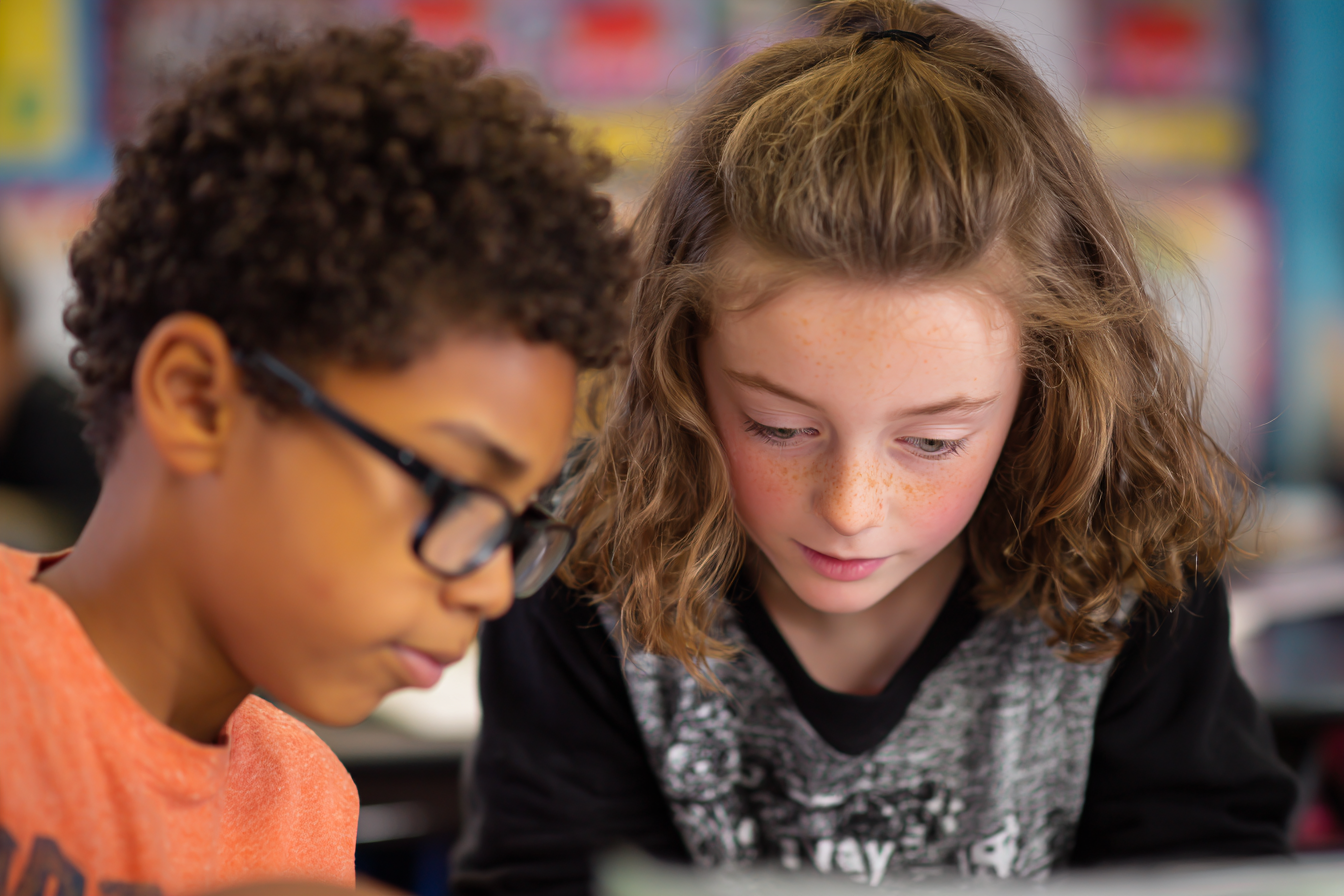
Focus: Help students understand that friendship changes are normal in upper elementary school, but students are still responsible for treating others with empathy, respect, and maturity. Students discuss changing friend groups, exclusion, lunch table issues, group chats, digital conversations, boundaries, disappointment, and ways to avoid turning friendship changes into drama or cruelty.
Grade Level: 5
Subject Area: School Counseling (Friendship Skills • Inclusion • Conflict Resolution)
Total Unit Duration: 1–2 weeks, 30 minutes per session
I. Introduction
This Grade 5 counseling lesson addresses the reality that friendships often shift as students grow, develop new interests, and prepare for middle school. Students may want to spend time with different people, join new groups, or set boundaries in friendships. These changes can be normal, but they can also create hurt feelings, exclusion, rumors, group chat problems, or social pressure.
Students explore realistic scenarios involving changing friend groups, lunch tables, recess, group chats, digital conversations, and disappointment. The counselor teaches students how to include others when possible, communicate respectfully, set boundaries without cruelty, and resolve conflict without spreading drama. The goal is to help students handle friendship changes with empathy, maturity, and respect.
Essential Questions
- Why do friendships sometimes change in Grade 5?
- How can students include others and show empathy when friendship groups shift?
- How can students set boundaries without being unkind or cruel?
- What respectful choices help prevent friendship changes from turning into drama, rumors, exclusion, or digital harm?
II. Objectives and Standards
Learning Objectives — Students will be able to:
- Explain that friendship changes can be normal, but students are still responsible for respectful choices.
- Recognize how others may feel during changing friend groups, exclusion, lunch table issues, or digital conversations.
- Practice respectful communication for including others, setting boundaries, responding to disappointment, and repairing conflict.
- Identify harmful responses to friendship changes, such as gossip, rumors, exclusion, group chat cruelty, or public embarrassment.
- Choose safe and respectful conflict-resolution strategies, such as perspective-taking, assertive communication, walking away, repair, or adult help.
- (Optional Session) Practice role-play responses for friendship changes, inclusion, boundaries, disappointment, and digital respect.
Standards Alignment — Grade 5 (ASCA-based Custom)
- C:S3.5a — Show Empathy and Respect for Others
- Recognize how others may feel and respond with kindness, respect, care, and maturity.
- Example: A student notices that a classmate is embarrassed after a mistake and responds with encouragement instead of laughter.
- C:S3.5c — Communicate Respectfully with Peers and Adults
- Use respectful language, active listening, assertive communication, and connected responses during conversations, disagreements, group work, and peer conflict.
- Example: A student says, “I understand your idea, but I think we should include everyone before we decide.”
- C:S4.5c — Resolve Conflicts Safely and Respectfully
- Use respectful words, compromise, perspective-taking, assertive communication, walking away, repair, or adult help to resolve conflict without unsafe or hurtful behavior.
- Example: A student says, “Please stop spreading that rumor. It is hurtful,” and gets adult support if the behavior continues.
Success Criteria — Student Language
- I can explain that friendships may change, but kindness and respect still matter.
- I can recognize how someone might feel when they are left out, disappointed, ignored, or included.
- I can use respectful words to include others, set boundaries, or respond to friendship conflict.
- I can avoid harmful choices like gossip, rumors, digital cruelty, or exclusion.
- I can choose a safe and respectful way to handle friendship changes or ask for help when needed.