Unit Plan 7 (Grade 5 Library): Reading Across Cultures and Perspectives
Explore diverse voices and viewpoints in Grade 5 Library through reading, discussion, and response that deepen empathy, perspective, and understanding.

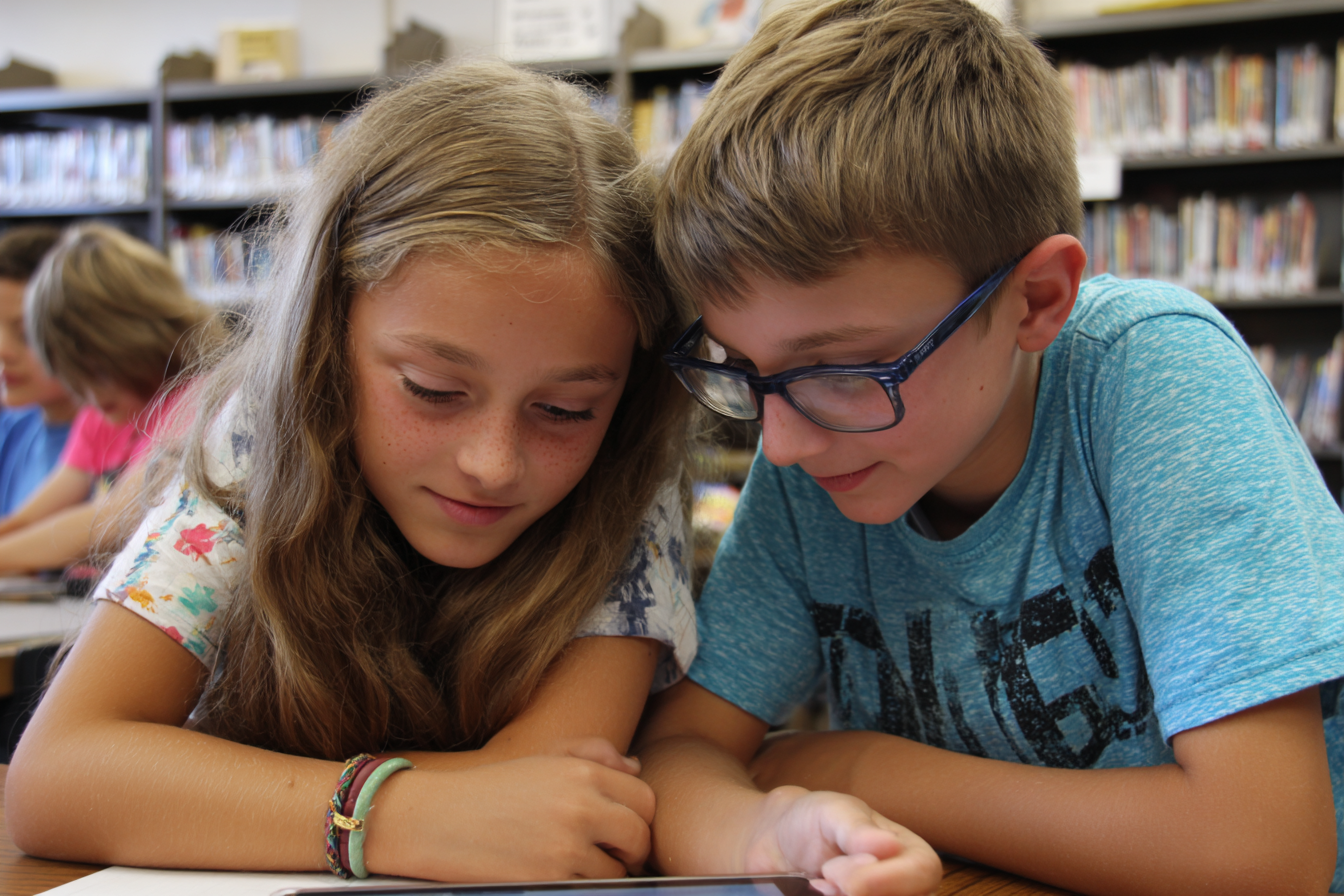
Focus: Use literature and informational texts to explore a range of cultures, identities, communities, experiences, and viewpoints. Students read, listen, discuss, and respond to different voices in ways that deepen understanding and show how reading across perspectives strengthens library learning.
Grade Level: 5
Subject Area: Library (Reading • Discussion • Response/Connection)
Total Unit Duration: 1–3 weeks, 50–60 minutes per session
I. Introduction
This unit helps Grade 5 students use reading and discussion to better understand the many ways people experience the world. Through a read-aloud, excerpt set, paired texts, or informational sources, students encounter voices from different cultures, communities, and perspectives. They practice noticing how a speaker’s or author’s point of view shapes meaning, and they reflect on how reading different voices can expand empathy, challenge assumptions, and strengthen class discussion. Because Grade 5 students are increasingly ready for nuance, this unit encourages thoughtful responses that go beyond “same” or “different” and move toward deeper understanding.
Essential Questions
- How can reading stories and information from different cultures, identities, communities, and viewpoints expand our understanding?
- How does a person’s perspective shape the way a story, event, or experience is told?
- Why is it valuable when readers interpret the same text in different ways?
- How can discussion, writing, art, or presentation help me respond thoughtfully to different voices and lived experiences?
II. Objectives and Standards
Learning Objectives — Students will be able to:
- Read, listen to, and discuss texts that reflect a range of cultures, identities, communities, experiences, and viewpoints.
- Identify how perspective influences what a reader learns or notices in a text.
- Recognize that classmates may respond to the same text in different ways and explain why those differences can strengthen learning.
- Participate respectfully in discussion about texts that reflect different voices and experiences.
- Create a response through discussion, writing, art, technology, or presentation that shows thoughtful engagement with a text or set of texts.
- (Optional Sessions) Compare texts or viewpoints more deeply and create a more developed written, visual, or oral response to what was read and discussed.
Standards Alignment — 5th Grade (AASL-based Custom)
- L:S2.5a — Read, listen to, and discuss stories and information that reflect a range of cultures, identities, communities, experiences, and viewpoints.
- Example: A student reads a memoir excerpt or historical fiction text and discusses how the perspective shapes the reader’s understanding.
- L:S2.5c — Recognize that readers and learners may select different texts, interpret them differently, and value different perspectives, and that these differences strengthen library learning.
- Example: A student understands that classmates may form different conclusions from the same article or novel excerpt and that these differences can deepen discussion.
- L:S5.5a — Use reading, writing, discussion, art, technology, and presentation to explore and respond to ideas from library lessons.
- Example: A student writes a reflection, creates a visual product, or presents findings from a short inquiry task.
Success Criteria — Student Language
- I can read or listen to texts that show different cultures, communities, identities, and experiences.
- I can explain how a text’s perspective affects what I learn or notice.
- I can understand that other students may interpret the same text differently, and that those different ideas can help our discussion.
- I can respond thoughtfully to a text using discussion, writing, art, technology, or presentation.
- I can show respect when talking about different perspectives and lived experiences.