Unit Plan 9 (Grade 5 PE): Dance & Choreography Projects
Grade 5 dance unit plan on rhythm, choreography, teamwork, and respectful feedback through creative movement and small-group routines.

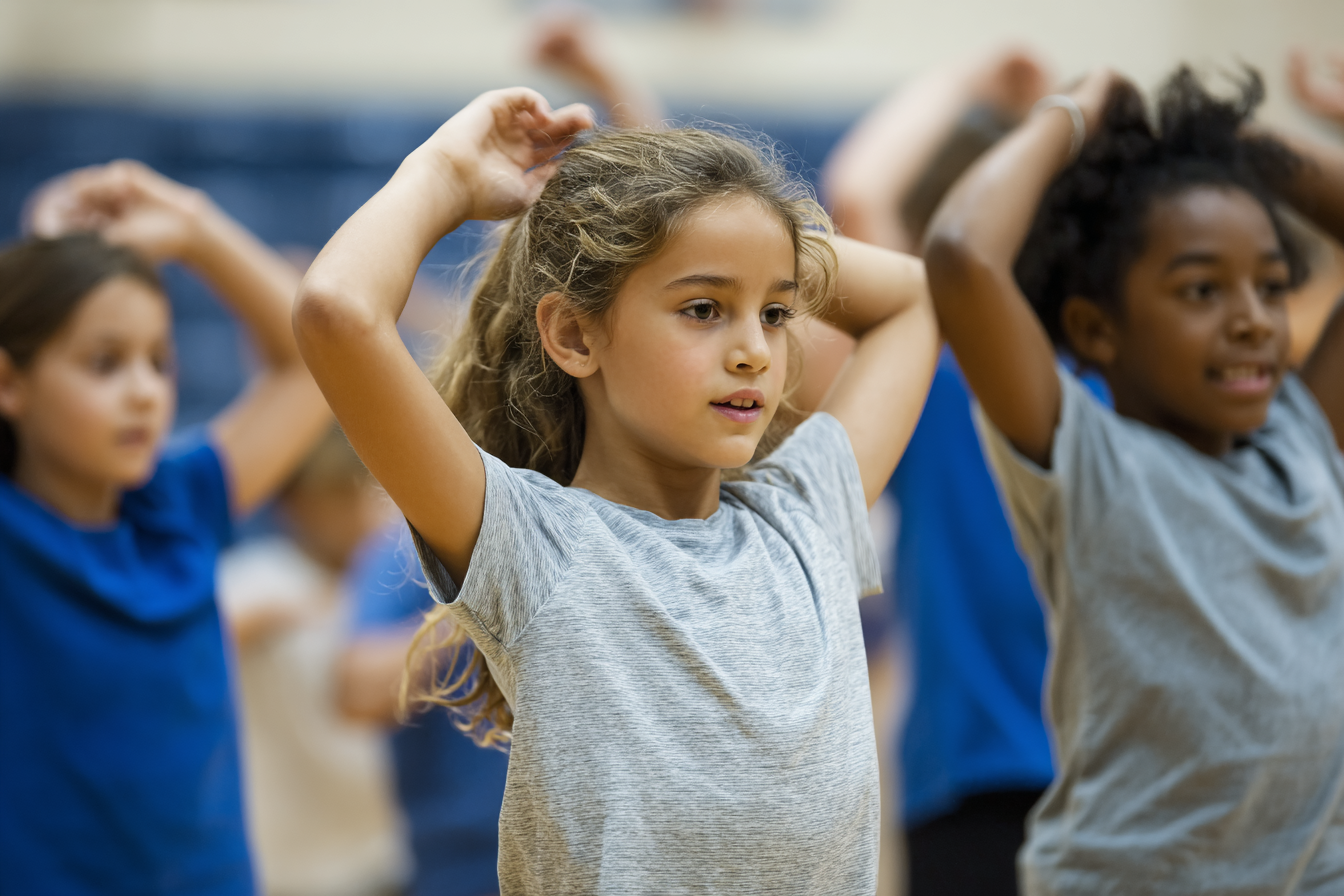
Focus: Develop coordinated movement sequences, creativity, and respectful peer feedback through small-group dance design, rehearsal, and optional performance.
Grade Level: 5
Subject Area: Physical Education (Rhythm & Movement • Creative Expression • Cooperation & Reflection)
Total Unit Duration: 1 core session + 2 optional sessions (1–3 weeks), 50–60 minutes per session
I. Introduction
Students explore dance as both a physical activity and a form of creative expression. In this unit, they practice moving to a beat, following counts, and combining simple locomotor and non-locomotor movements into short routines. Through a follow-along cardio dance warm-up, students learn to recognize counts, rhythm, and smooth transitions between steps. They then work in small groups to create an 8–16 count routine, rehearse it, and optionally perform it for classmates. Along the way, students build confidence, coordination, and teamwork while learning how to give kind, respectful feedback about effort, creativity, and performance choices.
Essential Questions
- How can I move with rhythm, control, and confidence to a musical beat?
- What makes a short dance routine look organized, creative, and smooth?
- How can small groups work together to create movement sequences that include everyone?
- How can dance support physical fitness, mood, and social connection?
II. Objectives and Standards
Learning Objectives — Students will be able to:
- Perform locomotor movements and transitions with control, timing, and coordination in follow-along dance and group choreography.
- Maintain balance, stability, and body control during turns, level changes, holds, and directional changes in dance sequences.
- Participate actively in dance-based MVPA for significant portions of class.
- Work cooperatively in a small group to create, practice, and improve an 8–16 count routine.
- Identify what kinds of movement activities they enjoy and explain how dance can support physical, mental, and social wellness.
Standards Alignment — 5th Grade (SHAPE America-based custom)
- PE:S1.5a – Locomotor Skills with Speed, Control, and TransitionsPerform locomotor movements (run, hop, jump, leap, slide, gallop, skip) with control, using changes in speed and direction smoothly in game and activity settings.
- Example: Students use quick accelerations, controlled stops, and sharp directional changes while playing tag, invasion games, or in relay events.
- PE:S1.5b – Balance, Stability, and Coordination in Complex TasksMaintain static and dynamic balance while performing more complex movements, such as jumping, landing, rotating, and changing levels.
- Example: Students complete an obstacle course that includes single-leg balances, low beams, and controlled landings from jumps without losing stability.
- PE:S3.5a – Sustained Participation in Moderate-to-Vigorous ActivityParticipate actively and continuously in moderate-to-vigorous physical activity (MVPA) for significant portions of class without frequent off-task behavior.
- Example: During fitness circuits or small-sided games, students remain engaged and moving, minimizing standing time between turns.
- PE:S4.5b – Cooperation, Leadership, and Inclusive Team BehaviorWork cooperatively with classmates, take on and rotate leadership roles, and actively include others regardless of skill level or background.
- Example: During group games, students volunteer as captains or equipment managers, ensure everyone has a role, and invite quieter classmates to join.
- PE:S5.5a – Enjoyment and Preference for Specific ActivitiesIdentify physical activities they enjoy, explain why they prefer them, and show enthusiasm and effort during those activities.
- Example: Students share that they enjoy basketball because of teamwork and pace, or running club because they like pushing themselves and seeing progress.
- PE:S5.5b – Recognizing Physical, Mental, and Social BenefitsDescribe how regular physical activity positively affects physical health (fitness, strength), mental health (mood, stress), and social connections (friendships, teamwork).
- Example: Students explain that playing games helps them feel energized, reduces stress, and allows them to spend time with friends.
Success Criteria — Student Language
- I can move with the beat and keep my body under control during dance steps and transitions.
- I can use balance, levels, and direction changes to make a short routine look smoother and more interesting.
- I can stay active and involved during dance activities instead of standing still or giving up.
- I can work with a group to create and practice an 8–16 count routine that includes everyone.
- I can explain what I enjoy about dance or movement and how it can help my body, mood, and friendships.