Unit Plan 25 (Grade 6 Social Studies): The Rise of Rome
Rome’s geography, origin stories, and early political struggles shaped its transition from monarchy to a republic, helping explain how physical location, cultural influences, and evolving civic roles laid the foundation for citizen participation in early Rome.

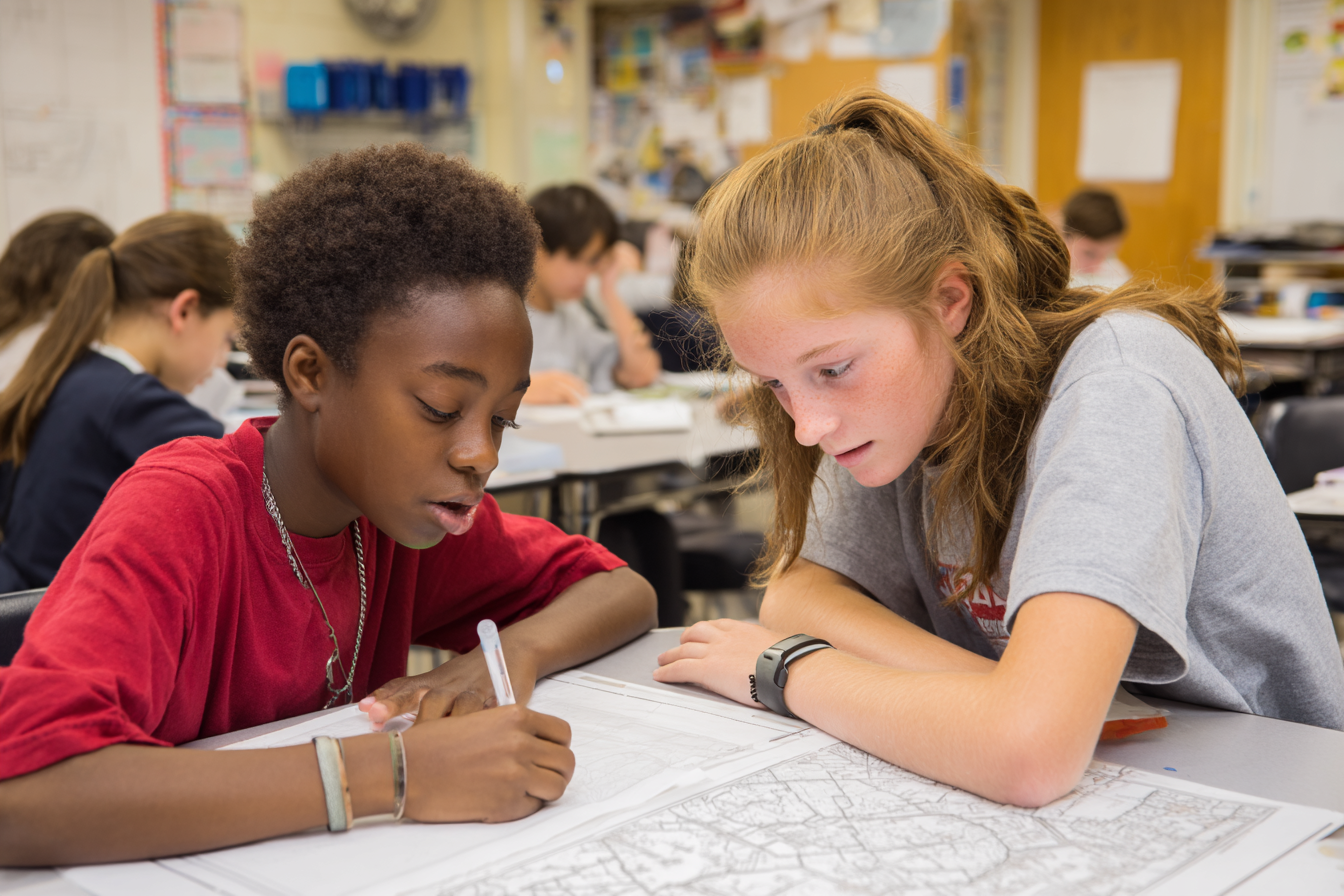
Focus: Study Rome’s geography and origins and explain the transition from monarchy to republic and emerging civic roles.
Grade Level: 6
Subject Area: Social Studies (History • Civics • Geography • Economics)
Total Unit Duration: 5 sessions (one week), 50–60 minutes per session
I. Introduction
Students examine how Italy’s location, the Tiber River, and the Seven Hills supported Rome’s growth; how foundation stories shaped identity; and how Romans replaced kings with a republic. Through maps, short source excerpts, and government diagrams, learners connect causes and effects that moved Rome from monarchy to a citizen-governed system.
Essential Questions
- How did geography and nearby cultures (Latins, Etruscans, Greeks) set conditions for Rome’s rise?
- Why did Romans reject monarchy and what problems did the republic try to solve?
- Who counted as a member of the Roman state, and how did roles, rights, and responsibilities change over time?
II. Objectives and Standards
Learning Objectives — Students will be able to:
- Explain how Rome’s location and resources contributed to early growth (cause → effect).
- Describe and distinguish between mythic origins (Romulus/Remus, Aeneas) and historical developments.
- Compare structures of monarchy vs. republic (kings → consuls, senate, assemblies) and decision-making.
- Identify the roles/rights/responsibilities of patricians, plebeians, magistrates, and assemblies in the early republic.
- Construct a brief CER (claim–evidence–reasoning) explaining why the republic emerged and how it changed participation.
Standards Alignment — 6th Grade (C3-based custom)
- 6.C3.Hist.2 — Explain causes and effects for key developments (agriculture, urbanization, empires, belief systems).
- 6.C3.Civ.2 — Compare structures of governance (city-states, kingdoms, empires, republics) and decision-making processes.
- 6.C3.Civ.3 — Explain roles, rights, and responsibilities of members within different systems (citizens, subjects, classes).
Success Criteria — Student Language
- I can show how Rome’s geography helped it grow.
- I can compare monarchy and the Roman republic using accurate terms.
- I can explain who had power and voice in early Rome and why that mattered.