Unit Plan 6 (Grade 8 Orchestra): Bowing Unity & Blend/Balance
Grade 8 orchestra unit builds bow unity, balance, and blend through section leadership, tone matching, and recording analysis for a cohesive ensemble sound.

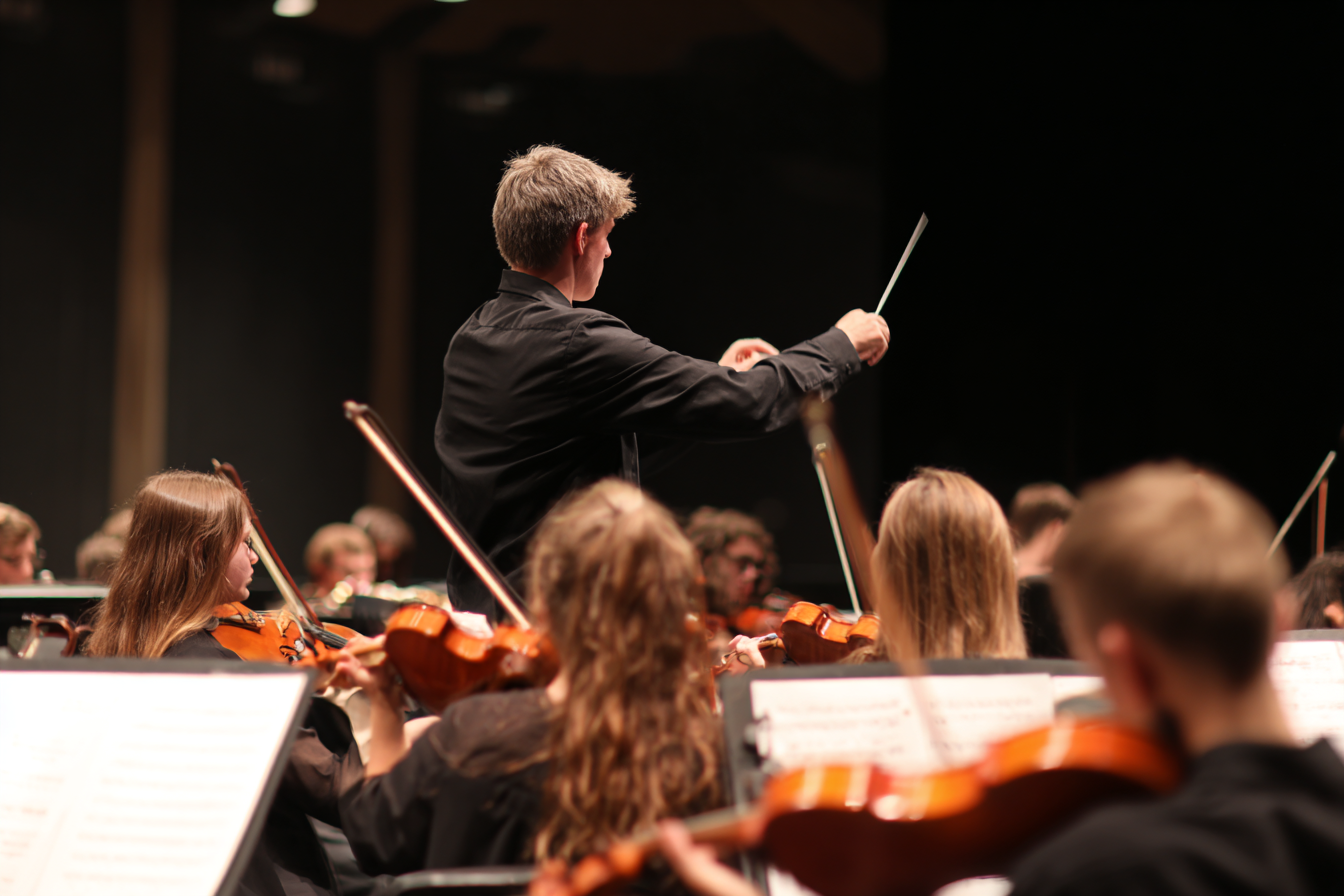
Focus: Improve bow unity, balance, and blend across sections so the ensemble sounds like one instrument, using targeted listening, recording analysis, and clear section bowing leadership.
Grade Level: 8
Subject Area: Orchestra (Performing • Rehearsing • Responding)
Total Unit Duration: 5 sessions (one week), 50–60 minutes per session
I. Introduction
In this unit, Grade 8 orchestra students work on transforming a collection of individual players into a single, unified sound. They focus on matching bow direction, articulation, contact point, and bow distribution so that sections move together visually and sonically. Through guided listening and recording analysis, students learn to adjust balance (who is louder/softer) and blend (how similar their tone is to others), connecting these choices to the musical role of each part. By the end, students understand that bowing unity, blend, and balance are essential to refined ensemble performance.
Essential Questions
- What does true bow unity look and sound like in an orchestra section?
- How do tone, dynamics, and seating affect blend and balance within and between sections?
- How can listening skills, eye contact, and bow leadership help us match each other more precisely?
- In what ways can teacher and peer feedback—including rehearsal recordings—help us refine tone, balance, and expression?
- How does improving bowing unity and blend support our ability to perform with clear musical intent and a more professional sound?
II. Objectives and Standards
Learning Objectives — Students will be able to:
- Perform with consistent bowing within their section (matching bow direction, articulations, and bow distribution) in selected scales and excerpts.
- Use bow lanes, contact point, and bow speed/weight to match tone quality and articulation with stand partners and section members.
- Adjust dynamics and tone color to create appropriate balance between melody and accompaniment, and blend within the section and full ensemble.
- Listen actively across the ensemble and respond in real time to balance and blend issues (too loud, too soft, tone mismatch).
- Use teacher/peer feedback and rehearsal recordings to identify specific goals and track progress in bow unity, tone, balance, and blend.
- Develop a short “Bowing & Blend Plan” for their section or stand, including at least two strategies they will continue using in future rehearsals.
Standards Alignment — Grade 8 Orchestra (custom, NAfME-style)
- OR:Pr6.8a — Perform orchestra music with accurate pitch and rhythm, refined tone, unified bowing, balance/blend, and expressive intent in an ensemble setting.
- Example: Students perform a three-part arrangement with strong dynamic contrast and consistent intonation.
- OR:Pr5.8b — Use teacher/peer feedback and rehearsal recordings to set goals, track progress, and refine intonation, rhythm accuracy, tone, blend/balance, and expression.
- Example: Students analyze a recording, identify a balance issue, and create an action plan for improvement.
Success Criteria — Student Language
- I can match bow direction and articulations with my section so that we look and sound unified.
- I can adjust my bow lane, contact point, and dynamics to better blend my sound with others.
- I can listen for who has the melody and change my volume or tone so the balance feels right.
- I can listen to a recording of our group, notice issues with bow unity or balance, and describe specific ways to improve.
- I can help my stand or section follow a simple Bowing & Blend Plan during rehearsals.