Unit Plan 21 (Grade 8 Orchestra): Compare Interpretations
Compare multiple recordings of the same string excerpt as Grade 8 orchestra students analyze tempo, phrasing, bowing/articulation, tone, and ensemble unity to justify which interpretation best matches the intended style.

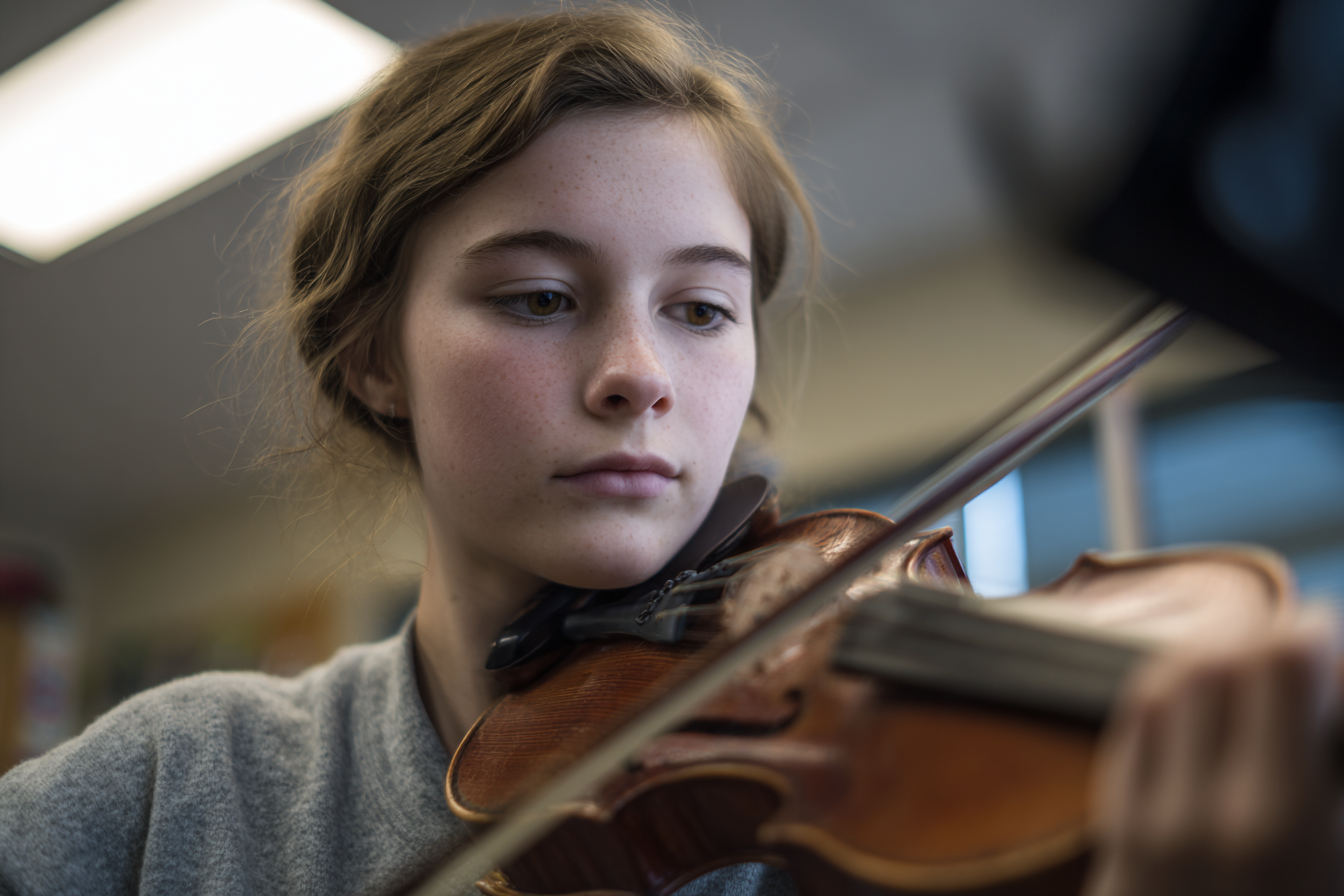
Focus: Compare different interpretations of the same string work or excerpt, using specific evidence about tempo, phrasing, articulation/bowing, tone quality, and ensemble unity to decide which best matches the intended style and expressive goal.
Grade Level: 8
Subject Area: Orchestra (Responding • Analyzing • Interpreting)
Total Unit Duration: 5 sessions (one week), 50–60 minutes per session
I. Introduction
In this unit, Grade 8 orchestra students become interpretation critics, learning to listen beyond “fast vs. slow” or “good vs. bad.” They compare two or more recordings of the same piece or excerpt—plus their own ensemble performance when possible—using a shared list of criteria: tempo, phrasing, articulation/bowing, tone quality, and ensemble unity. Students learn how different choices in these areas change the style, character, and clarity of the music. By the end, each student will create a Compare Interpretations Analysis that explains which interpretation best fits a given style or expressive description and why.
Essential Questions
- How can two performances of the same piece sound so different, even with the same notes?
- How do choices in tempo, phrasing, bowings, and tone change the style and character of string music?
- What does ensemble unity (togetherness in rhythm, articulation, and balance) add to an interpretation?
- How can we use specific evidence (measure numbers, musical elements) instead of vague opinions when we compare recordings?
- How can comparing interpretations help us decide how we want to perform a piece as an ensemble?
II. Objectives and Standards
Learning Objectives — Students will be able to:
- Listen to two or more interpretations of the same string work or excerpt and describe differences in tempo, phrasing, articulation/bowing, tone quality, and ensemble unity.
- Use a listening rubric or checklist to take structured notes while comparing recordings.
- Cite specific musical evidence (e.g., “measure 12–16, second phrase,” “cello entrance at 0:45”) to support claims about style and effectiveness.
- Evaluate which interpretation best matches a given style description or expressive goal (e.g., baroque dance, lyrical romantic, cinematic) and justify their choice.
- Apply insights from recorded comparisons to make intentional interpretive decisions in their own ensemble performance.
Standards Alignment — Grade 8 Orchestra (custom, NAfME-style)
- OR:Re8.8a — Compare interpretations of the same string work, citing evidence related to tempo, phrasing, articulation/bowing, tone quality, and ensemble unity.
- Example: Students compare two recordings and justify which better matches the intended style.
Success Criteria — Student Language
- I can describe how two recordings of the same piece are different in tempo, phrasing, bowings, tone, and togetherness.
- I can take organized notes while listening that mention specific measures or moments, not just general opinions.
- I can use musical vocabulary to explain which interpretation fits a style description (e.g., dance-like, singing, aggressive).
- I can give a clear evidence-based opinion about which performance I think is more effective and why.
- I can use what I learned from comparing recordings to help shape my own orchestra’s interpretation.