Unit Plan 33 (Grade 8 Orchestra): Evaluate Ensemble Growth
Grade 8 orchestra unit builds evaluation skills using rubrics and recordings to analyze ensemble growth, set goals, and refine tone, rhythm, and expression.

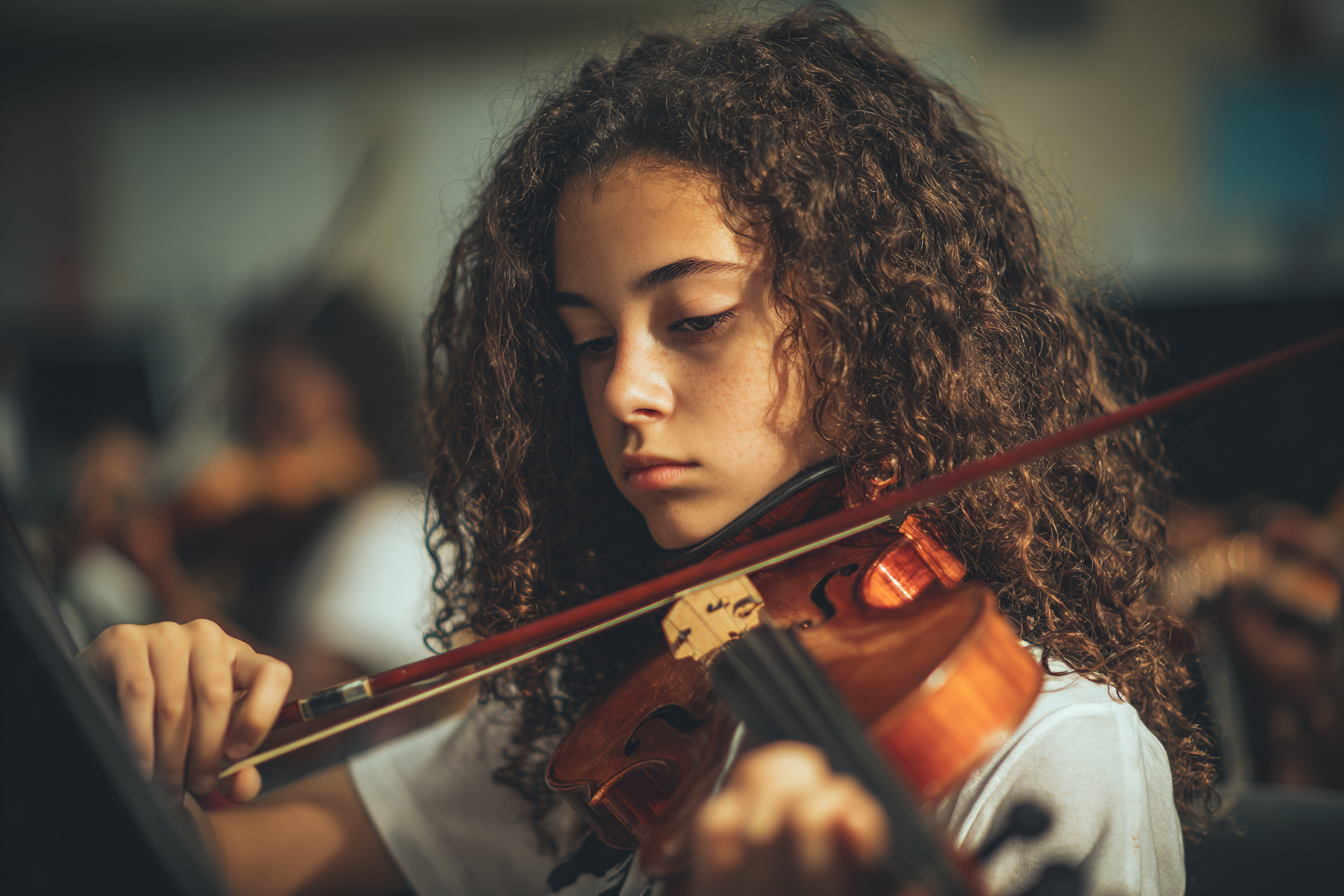
Focus: Use rubrics, recordings, and evidence to evaluate ensemble performance growth and set final refinement goals for tone, intonation, rhythm accuracy, bow unity, balance/blend, and expression.
Grade Level: 8
Subject Area: Orchestra (Evaluation • Reflection • Goal-Setting)
Total Unit Duration: 5 sessions (one week), 50–60 minutes per session
I. Introduction
In this unit, Grade 8 orchestra students step back from day-to-day rehearsal to analyze their own growth as an ensemble. Using performance rubrics, checklists, and recordings from earlier in the year and now, they practice making clear evaluations supported by specific musical evidence. Students learn to move beyond “good” or “bad” and instead describe performances in terms of tone, intonation, rhythm accuracy, bow unity, balance/blend, expression, and style. The week culminates in an Ensemble Growth Evaluation & Goal Plan, where each student identifies concrete strengths, areas for refinement, and actionable goals for the final performance push or future ensembles.
Essential Questions
- How can we use criteria and evidence to evaluate orchestra performances in a fair and helpful way?
- What do our recordings and rubrics show about our growth over time in tone, intonation, rhythm, bow unity, balance/blend, and expression?
- How can teacher and peer feedback, along with our own listening, help us set effective final refinement goals?
- What is the difference between criticism and constructive evaluation, and why does it matter for ensemble culture?
- How can learning to evaluate our playing make us more independent, reflective musicians in high school and beyond?
II. Objectives and Standards
Learning Objectives — Students will be able to:
- Use an ensemble performance rubric to evaluate recordings with attention to tone, intonation, rhythm accuracy, bow unity, balance/blend, and expression.
- Cite specific musical evidence (measures, moments, sections) to justify evaluations and critiques.
- Compare earlier and recent recordings to describe areas of growth and continuing needs in ensemble performance.
- Use teacher/peer feedback and recordings to set targeted refinement goals and design simple action plans.
- Complete an Ensemble Growth Evaluation & Goal Plan that summarizes progress and identifies next steps for improvement.
Standards Alignment — Grade 8 Orchestra (custom, NAfME-style)
- OR:Re9.8a — Evaluate orchestra performances using established criteria (tone, intonation, rhythm accuracy, bow unity, balance/blend, expression, style) and justify judgments with evidence.
- Example: Students write a short critique citing specific measures that show strong or weak ensemble unity.
- OR:Pr5.8b — Use teacher/peer feedback and rehearsal recordings to set goals, track progress, and refine intonation, rhythm accuracy, tone, blend/balance, and expression.
- Example: Students analyze a recording, identify a balance issue, and create an action plan for improvement.
Success Criteria — Student Language
- I can use a performance rubric to evaluate our playing in areas like tone, intonation, rhythm, and expression.
- I can point to exact measures or moments in a recording as evidence for my evaluation.
- I can describe how our ensemble has improved over time and where we still need refinement.
- I can turn feedback and listening into clear goals and plans for what to fix next.
- I can write or explain an ensemble critique that is honest, specific, and respectful.