Unit Plan 14 (Grade 8 Orchestra): Notation with Expression & Bowings
Grade 8 orchestra students notate compositions with clear dynamics, bowings, phrasing, and tempo so others can accurately read and perform their music.

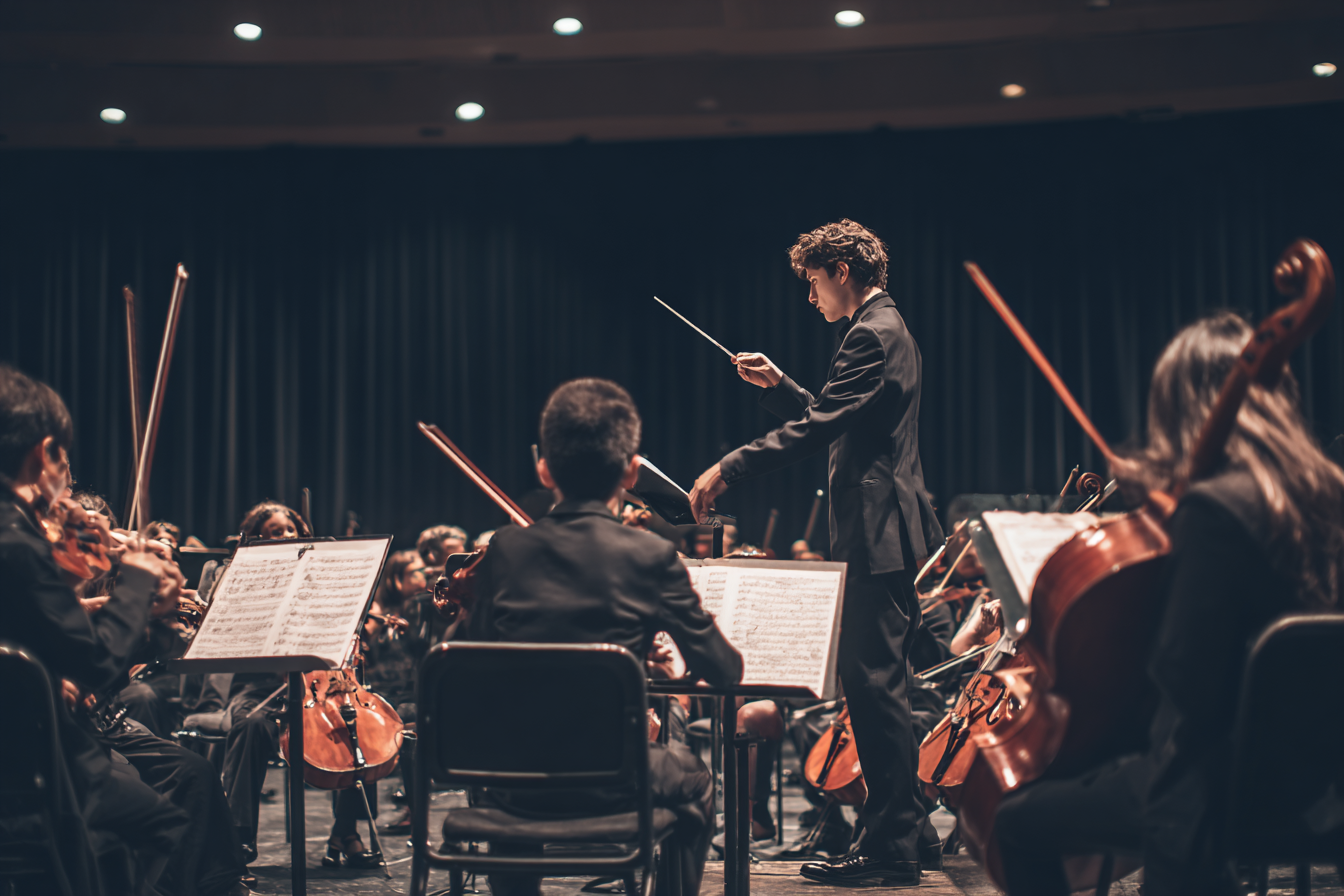
Focus: Document student compositions using standard notation and/or music technology, accurately including phrasing, dynamics, tempo, articulation/bowings, and other expressive markings so the music can be clearly read and performed by others.
Grade Level: 8
Subject Area: Orchestra (Creating • Notation/Technology • Performance Prep)
Total Unit Duration: 5 sessions (one week), 50–60 minutes per session
I. Introduction
In this unit, Grade 8 orchestra students learn how to turn their musical ideas into clear written scores/parts that another musician could perform. Building on their melody and form work from previous units, they analyze model excerpts to see how dynamics, articulations, phrasing, tempo markings, and bowings are communicated on the page. Then they apply those tools to their own themes or sections, using staff paper and/or notation software. By the end, each student will have a polished Notation with Expression & Bowings Study that shows accurate pitches and rhythms plus intentional expressive markings aligned with their musical intent.
Essential Questions
- How does clear notation (pitches, rhythms, dynamics, bowings, phrasing, tempo) help performers understand a composer’s intentions?
- What kinds of expressive markings do string players rely on most when preparing new music?
- How can I choose bowings, slurs, accents, and dynamics that support the style and phrasing of my melody or piece?
- How can music technology (notation software, playback) help me check and refine my notation?
- What does it mean to document a composition in a way that is accurate, readable, and expressive for orchestral players?
II. Objectives and Standards
Learning Objectives — Students will be able to:
- Read and interpret standard notation markings for dynamics, articulations/bowings, phrasing, and tempo in orchestra excerpts.
- Apply appropriate expressive markings (e.g., slurs, staccato, accents, crescendo/decrescendo, tempo terms) to their own melody or theme to match a chosen style and mood.
- Choose and notate bowings and slurs that support musical phrasing, tone quality, and technical playability on their instrument.
- Use staff paper and/or notation technology to document a composition accurately, including correct pitches, rhythms, barlines, and expressive markings.
- Produce a polished Notation with Expression & Bowings Study (12–24 measures) that another string player can sight-read and perform with confidence.
- Reflect on how their notation choices (markings, layout, clarity) affected how peers read and performed their music.
Standards Alignment — Grade 8 Orchestra (custom, NAfME-style)
- OR:Cr2.8b — Use standard notation and/or music technology to document compositions accurately, including dynamics, articulation/bowing, phrasing, and appropriate expressive markings.
- Example: Students notate a melody with slurs, accents, dynamic shaping, and tempo markings.
Success Criteria — Student Language
- I can read and explain dynamic, articulation, bowing, phrasing, and tempo markings in orchestra music.
- I can add expressive markings to my own melody that match the style and emotion I want.
- I can choose bowings and slurs that support my phrasing and make the line playable for a string player.
- I can document my composition using staff paper or notation software so another musician can read it clearly.
- I can hand a classmate my finished part and they can play it with few questions about what I meant.