Unit Plan 15 (Grade 8 Orchestra): Revision Studio—Feasible for Ensemble
Grade 8 orchestra students revise their original compositions using clear criteria—intonation, playability, bow control, expressive clarity, and ensemble feasibility—documenting “before-and-after” changes in a revision portfolio that makes their music more performable and expressive.

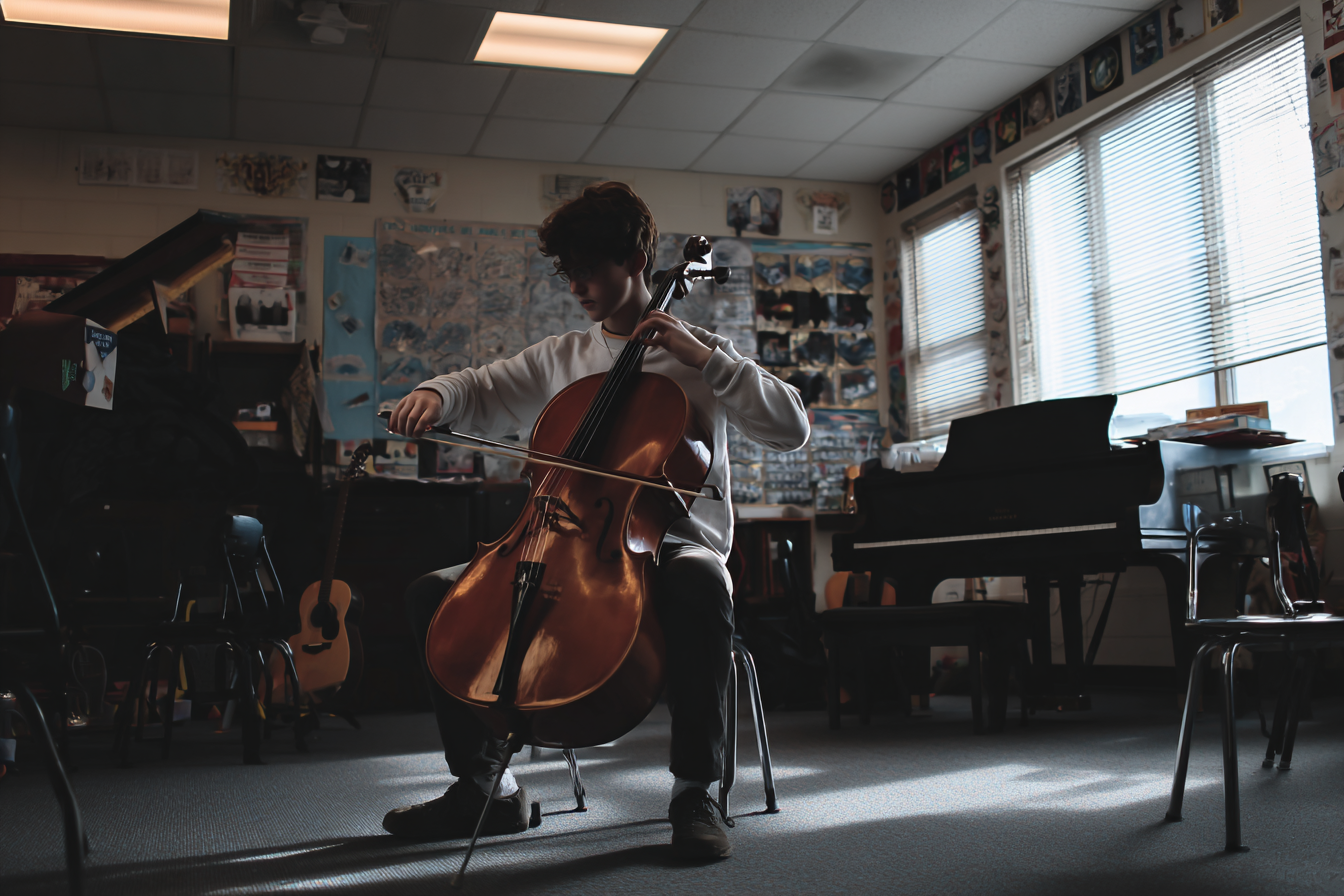
Focus: Refine student-created music to improve intonation, playability, bow control, expressive clarity, and ensemble feasibility, using clear criteria and documented before/after revisions.
Grade Level: 8
Subject Area: Orchestra (Creating • Revising • Ensemble Skills)
Total Unit Duration: 5 sessions (one week), 50–60 minutes per session
I. Introduction
In this unit, Grade 8 orchestra students treat their own compositions or theme/form projects as drafts, just like professional composers and arrangers do. Using a Revision Criteria Checklist (accuracy, intonation, playability, bow control, expressive clarity, and ensemble feasibility), they listen, sight-read, and mark trouble spots in their pieces. Then they make targeted revisions—adjusting notes, rhythms, bowings, ranges, and textures—so that their music is more performable by a real ensemble. By the end, each student will submit a Revision Studio Portfolio showing “before and after” excerpts plus a short explanation of their changes.
Essential Questions
- Why is revision an essential part of composing and arranging for orchestra?
- How can clear criteria (intonation, playability, bow control, expressive clarity, ensemble feasibility) guide better musical decisions?
- What kinds of changes (notes, rhythms, bowings, dynamics, texture, range) most improve the playability of a string part?
- How do we know when a passage is feasible and effective for a full ensemble versus needing more revision?
- How can documenting our revisions help us grow as creative musicians and leaders in orchestra?
II. Objectives and Standards
Learning Objectives — Students will be able to:
- Use a Revision Criteria Checklist to evaluate their own created music for accuracy, intonation risks, technical playability, bow control, expressive clarity, and ensemble feasibility.
- Identify at least two specific problem spots (e.g., awkward shift, unplayable rhythm at tempo, unclear bowings) and propose a concrete revision for each.
- Revise pitches, rhythms, and ranges to reduce awkward shifts, tricky string crossings, and unrealistic tempos while preserving musical intent.
- Refine bowings, articulations, dynamics, and textures to improve tone, phrase clarity, and balance across the ensemble.
- Document revisions in a Revision Log (before/after notation) and explain in writing or orally why each change improves feasibility and expression.
Standards Alignment — Grade 8 Orchestra (custom, NAfME-style)
- OR:Cr3.8a — Evaluate and refine created music using criteria (accuracy, intonation, playability, bow control, expressive clarity, and ensemble feasibility), documenting revisions and explaining changes.
- Example: Students revise a passage to reduce awkward shifts and improve intonation, then explain the change.
Success Criteria — Student Language
- I can use a checklist to find spots in my piece that are hard to play or might sound out of tune.
- I can revise notes, rhythms, and bowings so my music is more playable and still sounds like my idea.
- I can improve expression (dynamics, articulations, phrasing) so performers know how I want it to sound.
- I can think about how my music will work for a full ensemble, not just my own instrument.
- I can show a before and after of my music and explain why the revision is better.