Unit Plan 29 (Grade 8 Orchestra): Sight-Reading & Adaptability
Grade 8 orchestra unit builds confident sight-reading with steady tempo, accurate rhythm, independent entrances, and advanced rehearsal strategies for new music.

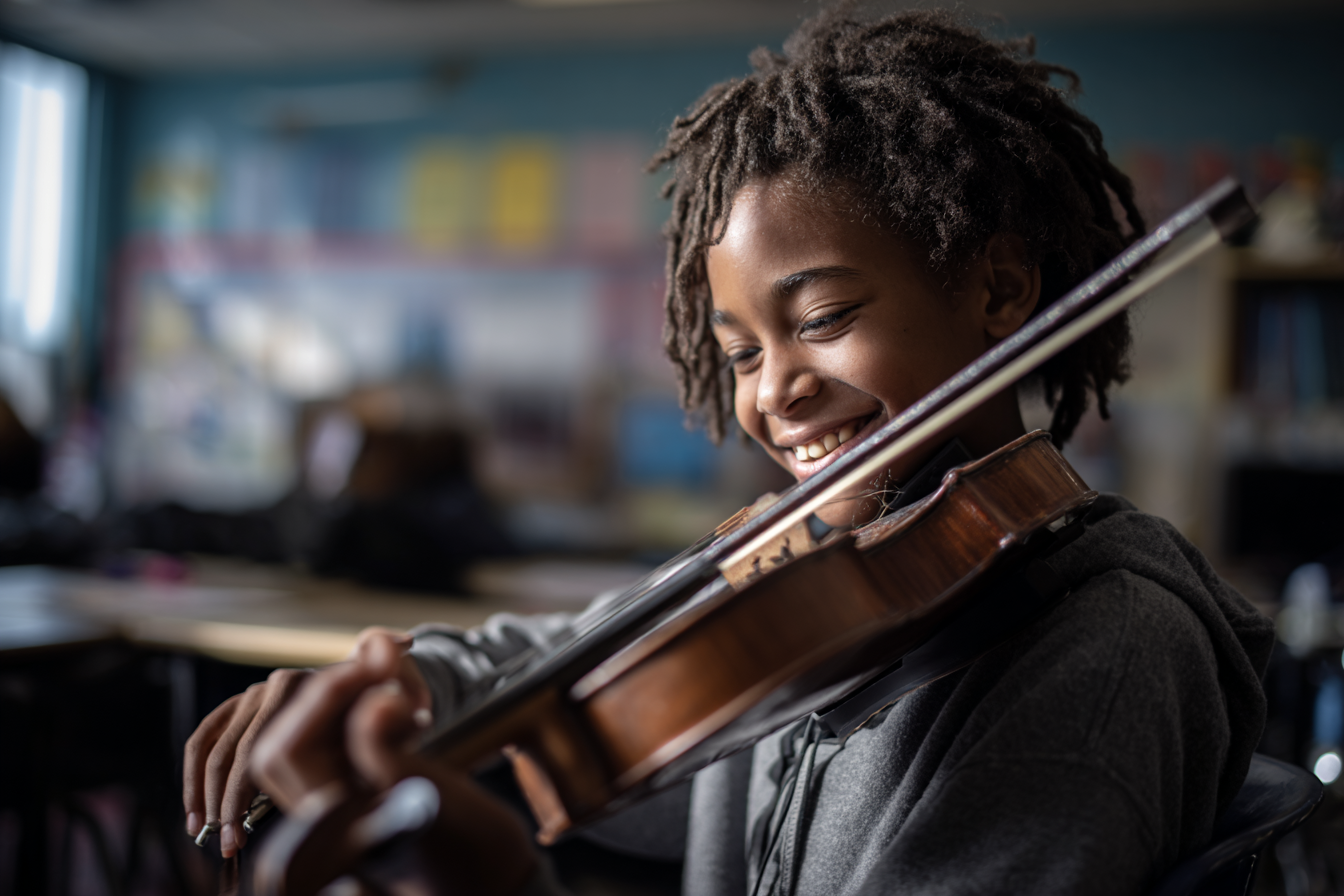
Focus: Strengthen sight-reading accuracy with steady tempo, precise rhythms, and independent entrances, using advanced rehearsal strategies to adapt quickly to new music and changing conditions.
Grade Level: 8
Subject Area: Orchestra (Performing • Reading • Rehearsal Skills)
Total Unit Duration: 5 sessions (one week), 50–60 minutes per session
I. Introduction
In this unit, Grade 8 orchestra students focus on becoming confident, adaptable sight-readers. They learn how to scan new parts quickly for key signatures, time signatures, rhythms, bowings, and roadmaps, then perform with a steady tempo, accurate rhythm, and independent entrances. Through short sight-reading drills, rehearsal strategies (like targeted looping and metronome work), and student-led practice, they build the ability to stay calm, count carefully, and adjust in real time. By the end, students will demonstrate improved sight-reading skills and explain which strategies help them read new music more successfully.
Essential Questions
- What does it mean to be a strong sight-reader in an orchestra setting?
- How can I quickly scan key, meter, rhythms, and form to prepare for a first reading of new music?
- Why are steady tempo, accurate rhythm, and independent entrances essential for ensemble sight-reading?
- How do advanced rehearsal strategies (metronome work, looping, bowing isolation, section leadership) help us adapt to new challenges in music?
- How can I manage anxiety and mistakes during sight-reading so I stay focused and keep going?
II. Objectives and Standards
Learning Objectives — Students will be able to:
- Use a sight-reading checklist to quickly scan new music for key signature, time signature, tempi, rhythms, and roadmaps (repeats, codas).
- Sight-read short excerpts with steady tempo, accurate basic rhythms, and mostly correct pitches and bowings.
- Demonstrate independent entrances and tracking of long rests during sight-reading, even when parts are more independent.
- Apply advanced rehearsal strategies (metronome work, targeted looping, bowing isolation, section leadership) to improve accuracy and ensemble unity in newly introduced music.
- Reflect on personal sight-reading strengths and needs, and identify specific strategies that help them adapt to new pieces more confidently.
Standards Alignment — Grade 8 Orchestra (custom, NAfME-style)
- OR:Pr4.8b — Read and perform orchestra music using standard notation, including varied rhythms, key signatures, changing meters/tempos as appropriate, and more independent parts, maintaining steady tempo.
- Example: Students perform music with syncopation, dynamic changes, and independent entrances accurately.
- OR:Pr5.8a — Apply advanced rehearsal strategies (metronome work, targeted looping, bowing isolation, section leadership, tuning routines) to improve accuracy and ensemble unity.
- Example: Students lead a section rehearsal to align bowings and entrances before full ensemble run-through.
Success Criteria — Student Language
- I can quickly scan new music and notice key, meter, tricky rhythms, and special signs (repeats, fermatas, tempo changes).
- I can maintain a steady tempo and keep counting, even if I make small mistakes.
- I can track my rests and enter independently in the right place.
- I can use rehearsal strategies like looping, metronome work, and bowing isolation to fix tough spots in new music.
- I can explain which sight-reading strategies work best for me and how I will use them in future rehearsals.