Unit Plan 17 (Grade 8 Orchestra): Student-Led Rehearsal Strategies
Grade 8 orchestra students lead sectionals using metronome looping, tuning, bowing isolation and recordings to boost unity, tone and intonation each day!

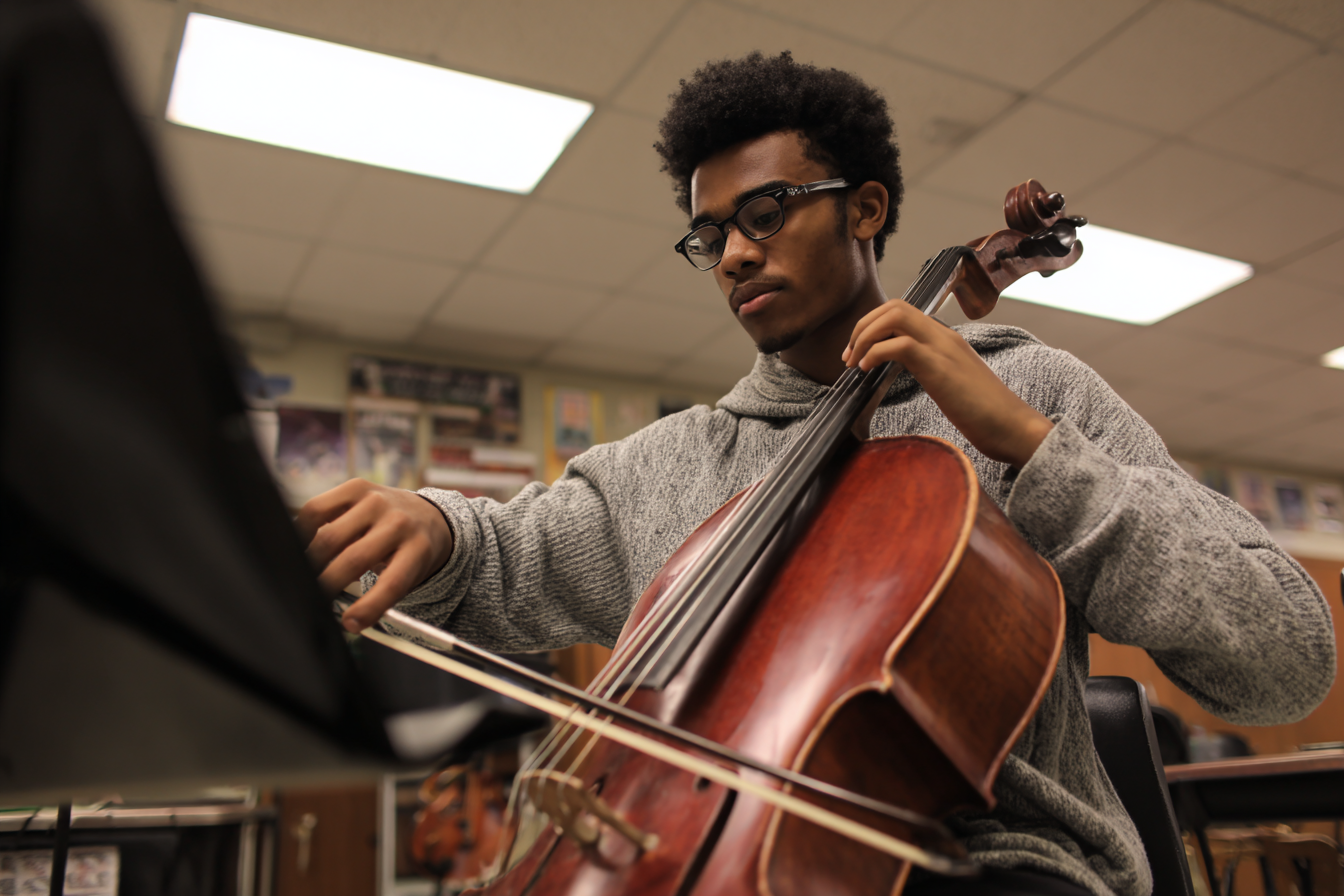
Focus: Apply advanced rehearsal strategies with student and section leadership—including metronome work, targeted looping, bowing isolation, tuning routines, and use of recordings—to improve ensemble accuracy, intonation, tone, and unity.
Grade Level: 8
Subject Area: Orchestra (Performing • Rehearsing • Reflecting)
Total Unit Duration: 5 sessions (one week), 50–60 minutes per session
I. Introduction
In this unit, Grade 8 orchestra students step into the role of rehearsal leaders, not just performers. They build a shared rehearsal toolbox (metronome strategies, looping, bowing isolation, tuning routines, recording review) and then use these tools in student-led sectionals and full-ensemble rehearsals. Through guided practice, goal-setting, and reflective listening, they learn how to diagnose issues (rhythm, entrances, intonation, balance) and choose appropriate strategies to fix them. By the end, students will have designed and run short student-led rehearsals, backed by a written Rehearsal Plan & Reflection that explains what they did and why it worked.
Essential Questions
- What makes a rehearsal efficient, focused, and respectful instead of just “running it again”?
- How can metronome work, looping, bowing isolation, and tuning routines help us fix specific ensemble problems?
- What does effective student and section leadership look and sound like in orchestra?
- How can teacher and peer feedback plus rehearsal recordings guide our goals and next steps?
- How does learning to lead rehearsals now prepare us to be stronger musicians and leaders in future ensembles?
II. Objectives and Standards
Learning Objectives — Students will be able to:
- Identify common ensemble problems (e.g., rhythm accuracy, entrances, intonation, bow unity, balance) and select matching rehearsal strategies to address them.
- Use advanced rehearsal strategies (metronome work, targeted looping, bowing isolation, tuning routines, slow practice, count-singing) during sectionals to improve accuracy and ensemble unity.
- Take turns serving as section leaders, guiding peers through short, focused rehearsal segments with clear instructions and goals.
- Use teacher/peer feedback and rehearsal recordings to evaluate ensemble performance and set specific, measurable improvement goals.
- Design and execute a brief Student-Led Rehearsal Plan for a chosen excerpt and reflect on how the strategies used changed ensemble sound.
Standards Alignment — Grade 8 Orchestra (custom, NAfME-style)
- OR:Pr5.8a — Apply advanced rehearsal strategies (metronome work, targeted looping, bowing isolation, section leadership, tuning routines) to improve accuracy and ensemble unity.
- Example: Students lead a section rehearsal to align bowings and entrances before full ensemble run-through.
- OR:Pr5.8b — Use teacher/peer feedback and rehearsal recordings to set goals, track progress, and refine intonation, rhythm accuracy, tone, blend/balance, and expression.
- Example: Students analyze a recording, identify a balance issue, and create an action plan for improvement.
Success Criteria — Student Language
- I can name a specific problem (like late entrances or messy rhythms) and choose a matching rehearsal strategy to work on it.
- I can use a metronome, looping, tuning routine, and bowing isolation to help my section get more accurate and unified.
- I can take a turn as a section leader, giving clear, respectful directions during a short rehearsal segment.
- I can listen to a recording of our group, notice strengths and problems, and help set clear goals for improvement.
- I can write or talk about a Student-Led Rehearsal Plan and explain how our strategies improved our performance.