Unit Plan 24 (Grade 8 Vocal Music): Music in Cultural Context
8th grade choir unit exploring how culture, history, and social context shape vocal music and guide authentic performance practice and interpretation.

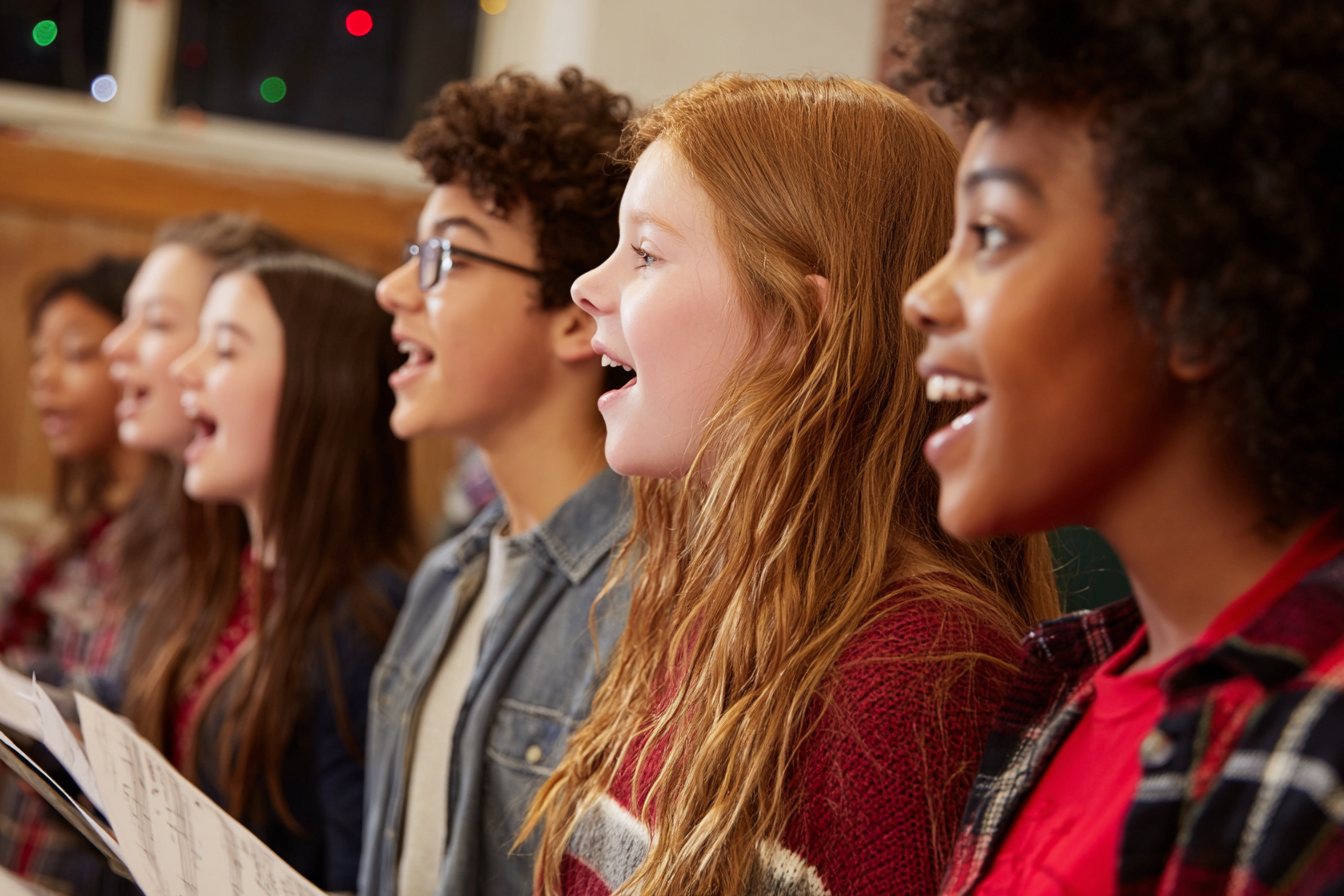
Focus: Analyze how culture, history, and social context influence vocal music, and explain how context informs authentic performance practice and interpretation.
Grade Level: 8
Subject Area: Vocal Music (Choir • Culture • Connections)
Total Unit Duration: 5 sessions (one week), 50–60 minutes per session
I. Introduction
In this unit, students explore vocal music as a window into culture and history. They study pieces such as spirituals, protest songs, folk music, and global choral works to understand how they were shaped by specific times, places, and communities. Students consider how lyrics, style, language, and performance traditions reflect social realities (struggle, hope, celebration, resistance) and how this knowledge should guide their own interpretation and performance practice. By the end, they will connect their singing to a deeper understanding of the people and stories behind the music.
Essential Questions
- How do culture, history, and social conditions show up in the vocal music we sing and hear?
- Why is it important to understand a piece’s historical and cultural context before deciding how to perform it?
- How can context shape choices about tone, tempo, diction, movement, and overall style in an authentic performance?
- In what ways can singing music from different cultures help us show respect, empathy, and understanding for others?
II. Objectives and Standards
Learning Objectives — Students will be able to:
- Identify key cultural and historical facts about selected vocal pieces (origin, community, purpose, events connected to the music).
- Explain how lyrics, style, and musical elements in a piece reflect its cultural, historical, or social context (e.g., protest, worship, coded messages, celebration).
- Describe how context should inform performance practice decisions (tone quality, tempo, dynamics, diction, movement/standing, expression).
- Compare two vocal works from different cultural or historical contexts, explaining similarities and differences in purpose and style.
- Create a short Context & Performance Plan for a selected piece that links historical/cultural research to specific interpretive choices.
- Reflect on how learning about context changes their sense of responsibility and respect when performing music from cultures beyond their own.
Standards Alignment — Grade 8 Vocal Music (custom, NAfME-style)
- VM:Cn11.8a — Analyze how vocal music reflects cultural, historical, and social contexts and explain how context informs authentic performance practice and interpretation.
- Example: Students research a protest song or spiritual and explain how history shapes tone, tempo, and delivery.
Success Criteria — Student Language
- I can explain where a piece of music comes from (time, place, community) and why it was sung.
- I can show how lyrics and musical style connect to events or experiences in a culture’s history.
- I can name specific performance decisions (tone, tempo, diction, movement) that are based on context, not just personal preference.
- I can respectfully describe differences between music from different cultures or time periods and how those differences matter for performance.
- I can create a simple plan that connects research about a piece to how I think it should be performed today.