Unit Plan 8 (Grade K Library): Retelling a Story with Movement and Play
Kindergarten library unit on playful story retelling with puppets, props, movement, sequencing, partner work, and story comprehension.

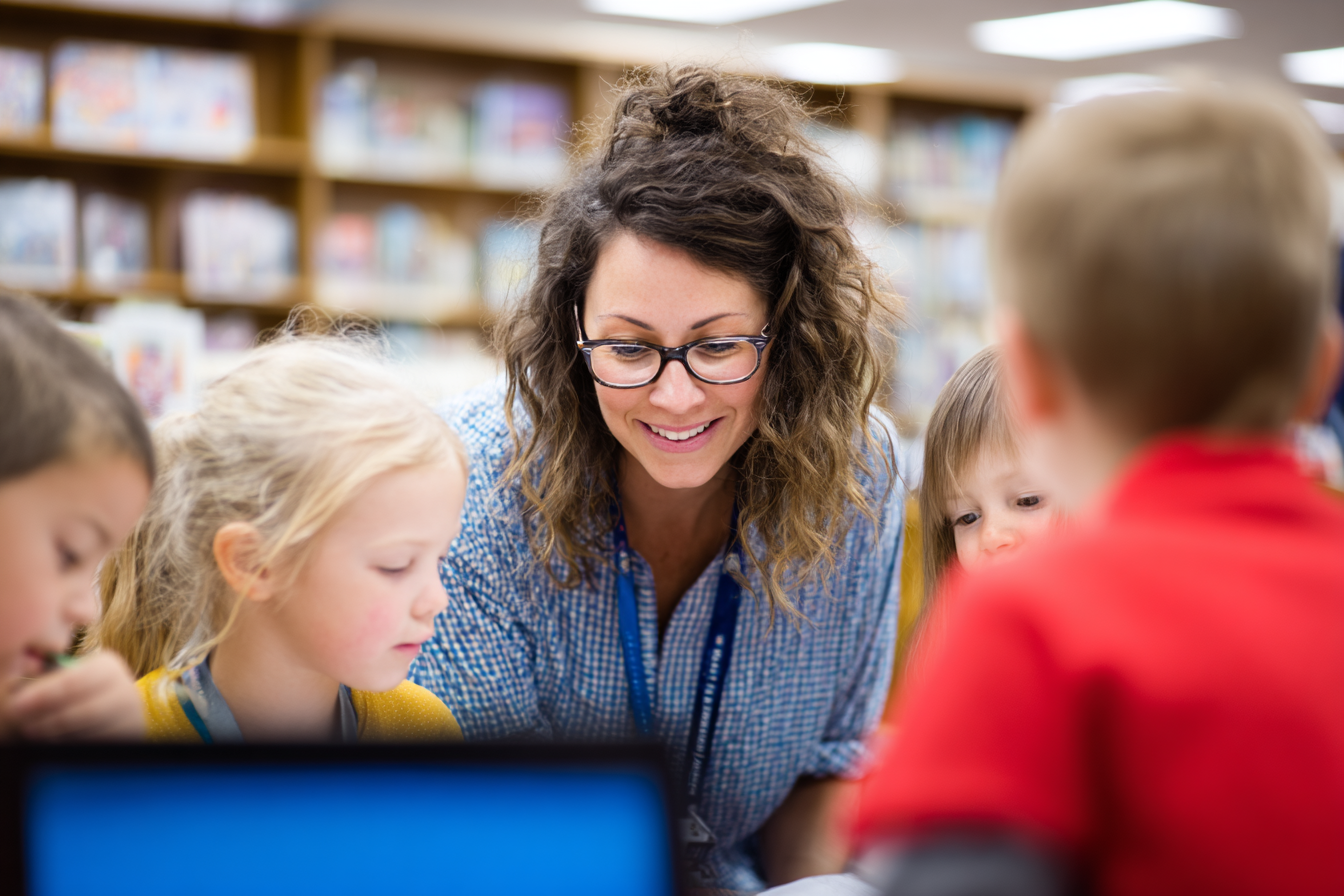
Focus: Give Kindergarten students opportunities to retell familiar stories using movement, puppets, dramatic play, props, and retelling baskets. Students practice working with a partner or small group, sequencing simple story events, and creating or sharing a response that shows story understanding in an active, oral, and playful way.
Grade Level: K
Subject Area: Library (Retelling • Play-Based Response • Story Comprehension)
Total Unit Duration: 1–3 weeks, 50–60 minutes per session
I. Introduction
This unit helps Kindergarten students strengthen story comprehension through movement and play. Rather than only talking about a story after a read-aloud, students use puppets, props, gestures, retelling baskets, or simple dramatic play to show what happened. The librarian can choose highly predictable books with clear characters, repeated actions, and simple beginning-middle-end structure so students can participate confidently. This kind of active story response is especially realistic for Kindergarten library because young children often show understanding best through oral language, movement, play, and shared retelling.
Essential Questions
- How can I retell a story using movement, puppets, props, or play?
- How can I remember what happened first, next, and last?
- How can I work with a partner or group during a story retelling?
- How can my retelling show that I understood the story?
II. Objectives and Standards
Learning Objectives — Students will be able to:
- Work with a partner or small group during story retelling, discussion, or shared response activities.
- Use stories, play, art, writing, talk, or movement to explore and respond to ideas from library lessons.
- Retell a familiar story using movement, puppets, props, dramatic play, or a retelling basket.
- Identify and show simple story events in order, such as beginning, middle, and end.
- Create or share something that shows understanding of a story, topic, or question.
- (Optional Sessions) Strengthen story comprehension through repeated retelling practice, partner roles, sequencing, and playful performance.
Standards Alignment — Kindergarten (AASL-based Custom)
- L:S3.Ka — Work with a partner or small group during story retelling, sorting, discussion, or simple inquiry activities.
- Example: Two students work together to match animal books with animal picture cards.
- L:S5.Ka — Use stories, play, art, writing, talk, or movement to explore and respond to ideas from library lessons.
- Example: A student draws a favorite story scene and explains what is happening.
- L:S5.Kc — Create or share something that shows understanding of a story, topic, or question.
- Example: A student builds the setting of a story with blocks and explains it to a partner.
Success Criteria — Student Language
- I can retell a story with movement, puppets, props, or play.
- I can show what happened first, next, and last.
- I can work with a partner or group during a retelling.
- I can use my body, voice, drawing, building, or props to show story understanding.
- I can share something that shows I understood the story.