Unit Plan 14 (Grade K Social Studies): Caring for Our Environment
Teach children to respect and care for shared spaces by keeping classrooms, playgrounds, and nature clean through simple, responsible daily actions.

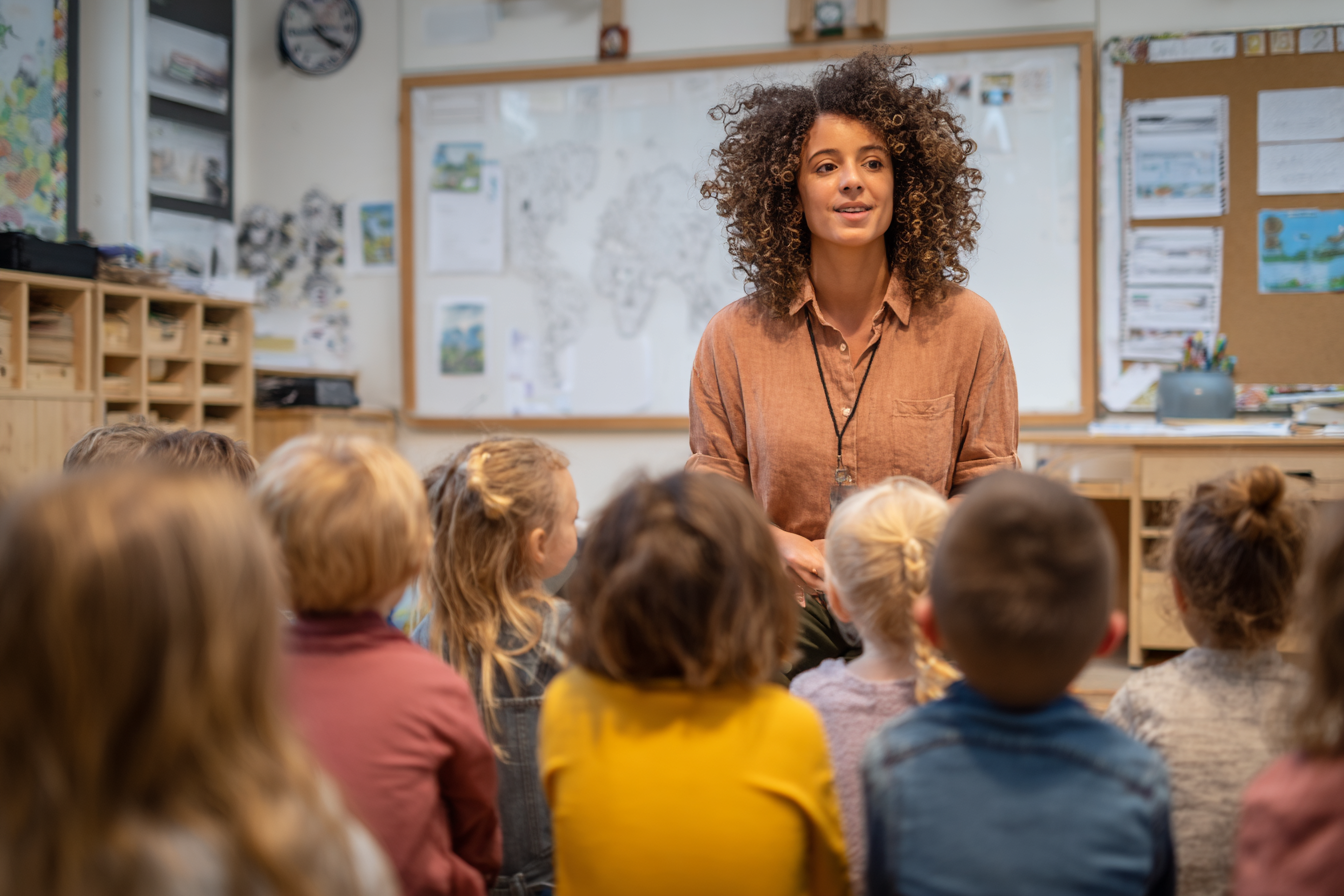
Focus: Help children notice nature and shared spaces around them (classroom, playground, parks) and learn simple ways to protect, respect, and keep them clean. Students connect caring actions—like picking up litter, recycling, and using kind behaviors—to being good classroom and community members.
Grade Level: Kindergarten
Subject Area: Social Studies (Geography • Civics • Inquiry)
Total Unit Duration: 5 sessions (one week), 20–30 minutes per session
I. Introduction
In this unit, children become “Earth Helpers” who look closely at their classroom, playground, and outdoor spaces. They learn that people and nature share places and that our choices can help keep those places clean, safe, and beautiful. Students explore simple actions like throwing trash in bins, recycling, reusing materials, and using kind, careful behavior with people and things. By the end of the week, students will see themselves as helpers who can take real actions to care for their environment and community.
Essential Questions
- What is our environment, and why does it matter?
- How can we care for places like our classroom, playground, and park?
- How do our choices show responsibility and respect for people and nature?
- What small actions can our class take to help our school and world?
II. Objectives and Standards
Learning Objectives — Students will be able to:
- Name and point to parts of their environment (classroom, playground, trees, trash cans) and explain why they are important.
- Describe at least one way people adapt to and care for places (e.g., use trash cans, recycle, wear coats to play outside, stay on the path).
- Demonstrate responsibility and respect by using kind words, caring for shared materials, and helping keep spaces clean.
- Help plan and participate in a small class action project (e.g., poster campaign, tidy-up day, recycling reminder).
- Share their learning through drawings, labels, or oral explanations about how they can help care for the environment.
Standards Alignment — Kindergarten (C3-based custom)
- K.C3.Geo.5 — Explain how people adapt to and care for places.
- K.C3.Civ.5 — Show responsibility and respect in a diverse classroom.
- K.C3.Inq.5 — Participate in a small class action to help the community.
Success Criteria — Student Language
- I can name at least one place we want to keep clean (classroom, playground, park).
- I can tell or show one way I care for places (use trash can, recycle, pick up litter, be gentle).
- I can use kind words and help take care of our shared materials.
- I can help my class with a small project to make our classroom or school better.
- I can draw or tell about how I can be an Earth Helper.