Unit Plan 34 (Grade K Counselor): Classroom Helpers and Leaders
Build Kindergarten helper and leader skills with strengths, belonging, kind choices, classroom routines, listening, and helping actions.

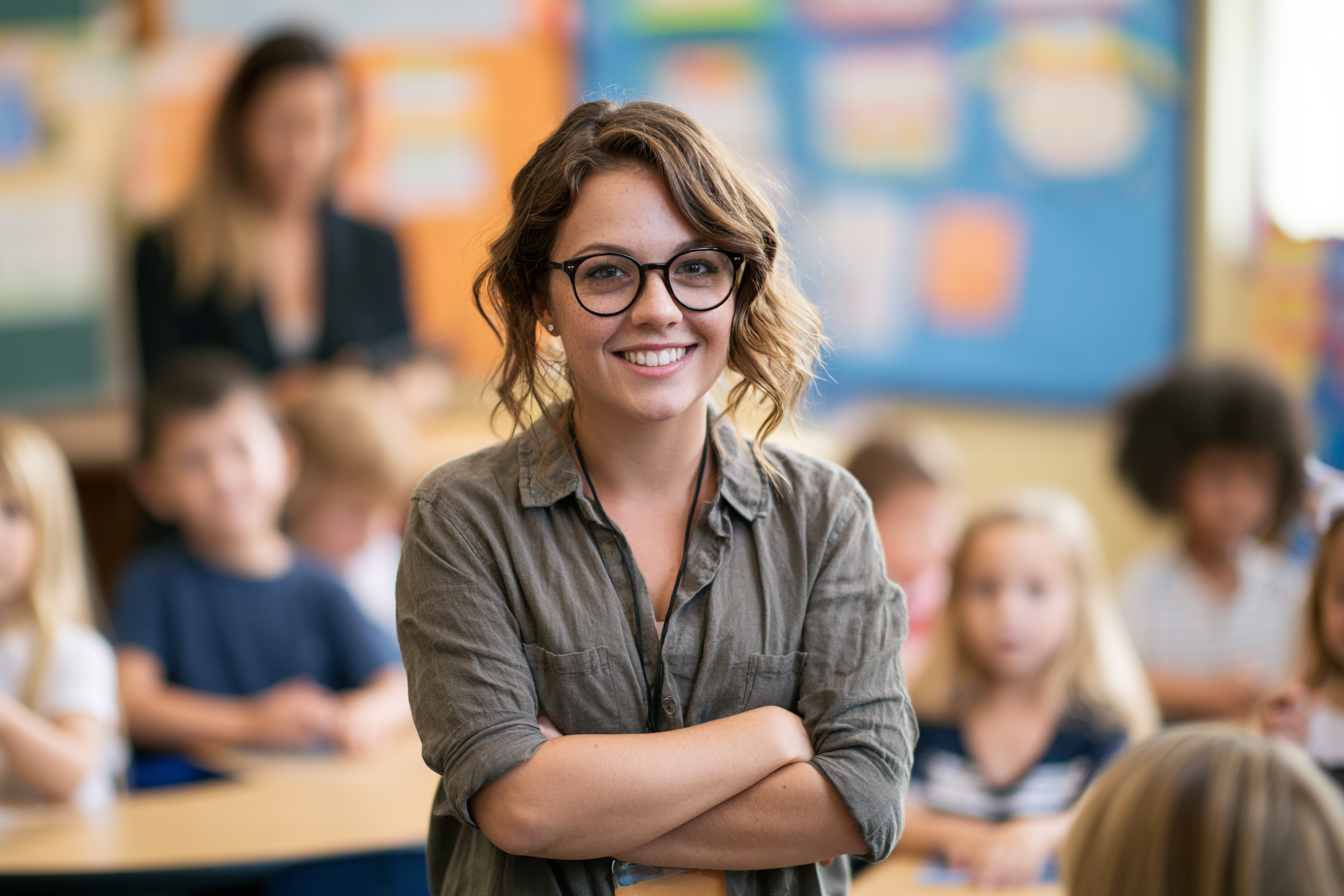
Focus: Help students see themselves as capable helpers and leaders in the classroom community. The counselor discusses small leadership behaviors such as cleaning up, welcoming a classmate, using kind words, following directions, or helping someone understand a routine. Students name one way they can be a helper or leader in Kindergarten.
Grade Level: K
Subject Area: School Counseling (Strengths • Belonging • School-Ready Leadership)
Total Unit Duration: 1–2 weeks, 30 minutes per session
I. Introduction
This Kindergarten counseling lesson helps students understand that leaders are not only adults or students who are first, loudest, or in charge. Students learn that Kindergarten leaders can help the classroom by using kind words, cleaning up, listening, following directions, welcoming classmates, sharing materials, and helping others understand routines.
The counselor uses puppets, picture cards, helper role examples, classroom scenarios, and reflection prompts to help students identify their own strengths and ways they already contribute to the class. Students practice seeing themselves as important members of the classroom community. The goal is for students to name one strength or helpful behavior they can use to be a classroom helper or leader.
Essential Questions
- What does it mean to be a classroom helper?
- What does it mean to be a classroom leader?
- What strengths do students have?
- How do helpers and leaders make the classroom better?
- What is one way students can be helpers or leaders in Kindergarten?
II. Objectives and Standards
Learning Objectives — Students will be able to:
- Name a personal strength, preference, or skill they are learning to use at school.
- Recognize that they are an important part of the classroom and school community.
- Identify small leadership behaviors, such as cleaning up, welcoming someone, using kind words, helping with routines, or following directions.
- Practice listening, watching, participating, and following directions during a counselor activity.
- Explain how classroom helpers and leaders support learning, safety, kindness, and belonging.
- Name one way they can be a helper or leader in Kindergarten.
- (Optional Session) Apply helper and leader skills through puppet practice, picture sorting, classroom role cards, strength reflection, two-step directions, or a class helper chart.
Standards Alignment — Grade K (ASCA-based Custom)
- C:S1.Kb — Recognize Personal Strengths and Preferences
- Name simple things they like, are good at, or are learning to do.
- Example: A student says, “I am good at helping clean up,” or “I like building with blocks.”
- C:S1.Kc — Understand Belonging in the School Community
- Recognize that they are an important part of the class and school community.
- Example: A student participates in a class activity about how everyone has a place in the classroom.
- C:S5.Ka — Practice Listening and Following Directions
- Demonstrate school-ready behaviors such as listening, watching, following directions, and participating.
- Example: A student follows a two-step direction during a classroom guidance activity.
Success Criteria — Student Language
- I can name something I am good at.
- I can name something I am learning to do.
- I can help my classroom.
- I can be a leader with kind choices.
- I can listen and follow directions.
- I can remember that I belong in my class.
- I can name one way to be a helper or leader.