Unit Plan 32 (Grade K Social Studies): Natural and Human Resources
Discover how natural resources, workers, and human-made features like roads and buildings work together to create everyday products for kindergarten learners.

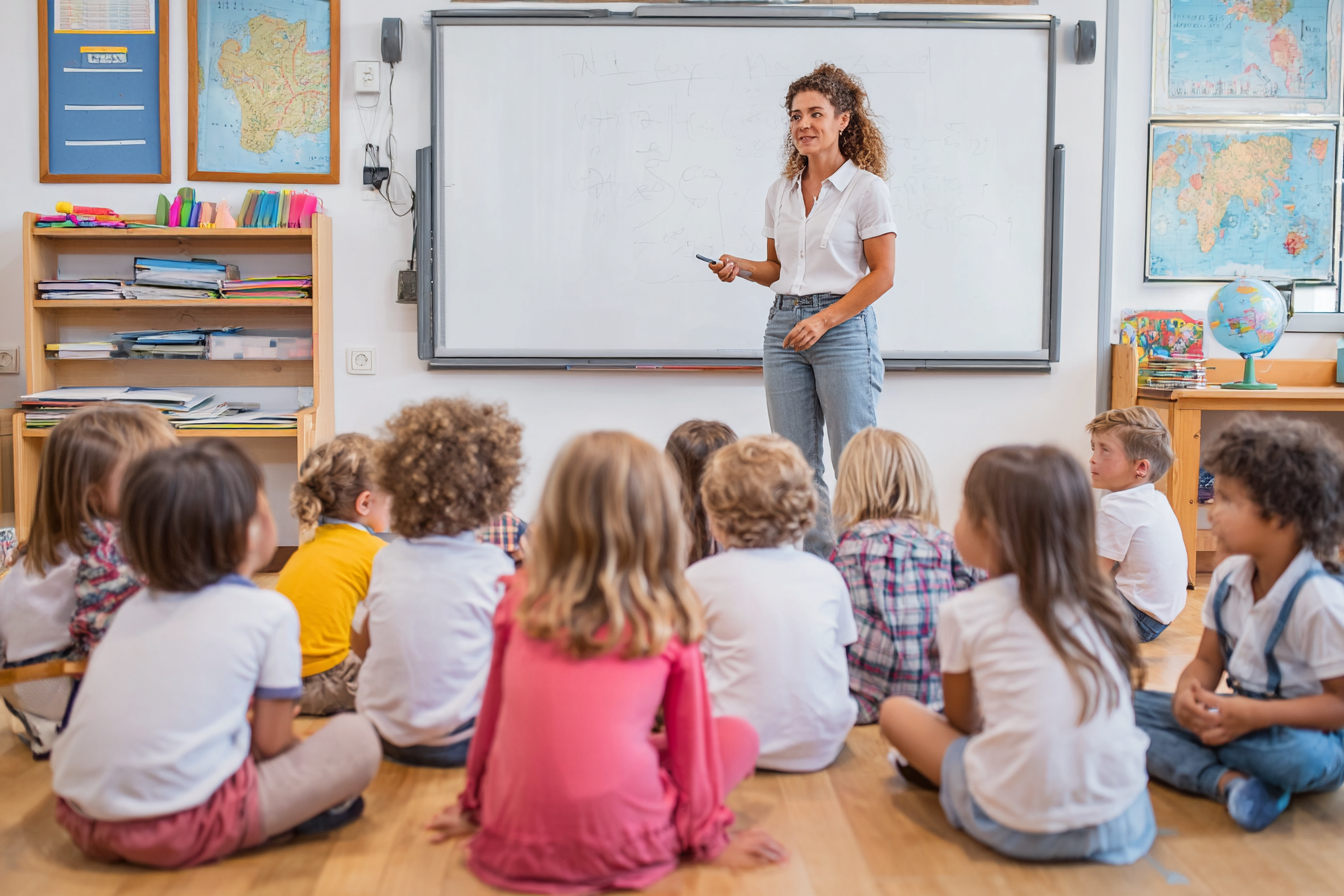
Focus: Help children recognize materials from nature and the workers who turn those materials into things we use every day. Students explore how natural resources (like trees, water, and rocks), human resources (workers and their skills), and human-made features (roads, bridges, buildings) work together to create and move products.
Grade Level: Kindergarten
Subject Area: Social Studies (Economics • Geography • Inquiry)
Total Unit Duration: 5 sessions (one week), 20–30 minutes per session
I. Introduction
In this unit, students become “Resource Detectives” who look for clues about what things are made of and who helps make them. They learn that many everyday items start with nature and are changed by workers using tools and special places like factories and roads. Through stories, charts, and hands-on sorting, students connect trees to paper, wheat to bread, and workers to the buildings and features they use.
Essential Questions
- What is a natural resource?
- Who are the workers (human resources) who help make things we use?
- How do buildings, roads, and bridges help people make and move things?
- How are nature and people connected when we make products?
- How can we talk about what things are made of and who helped make them?
II. Objectives and Standards
Learning Objectives — Students will be able to:
- Identify at least two natural resources (e.g., trees, water, rocks) used to make common items.
- Name workers (human resources) who help turn natural resources into products (e.g., builders, bakers, factory workers).
- Recognize human-made features (roads, bridges, buildings) and explain one way they help people make or move things.
- Match simple products (e.g., paper, bread) to their natural and human resources.
- Use basic language such as nature, natural resource, worker, factory, road, bridge, and building when describing how things are made.
Standards Alignment — Kindergarten (C3-based custom)
- K.C3.Econ.5 — Identify natural and human resources used to make things.
- Example: Paper comes from trees; builders use wood, tools, and skills.
- K.C3.Geo.4 — Identify human-made features and their purposes.
- Example: Roads, bridges, buildings; “A bridge helps us cross water.”
Success Criteria — Student Language
- I can point to a product and say a natural resource it comes from.
- I can name a worker who helps make something we use.
- I can point to a road, bridge, or building and tell how it helps people.
- I can say a sentence like “Paper comes from trees and workers make it in a factory.”
- I can use words like nature, worker, road, or factory when I talk about how things are made.