Unit Plan 28 (PreK Library): Stories We Can Learn From
PreK library unit helping children explore story meaning, character feelings, choices, kindness, and creative responses through read-alouds.

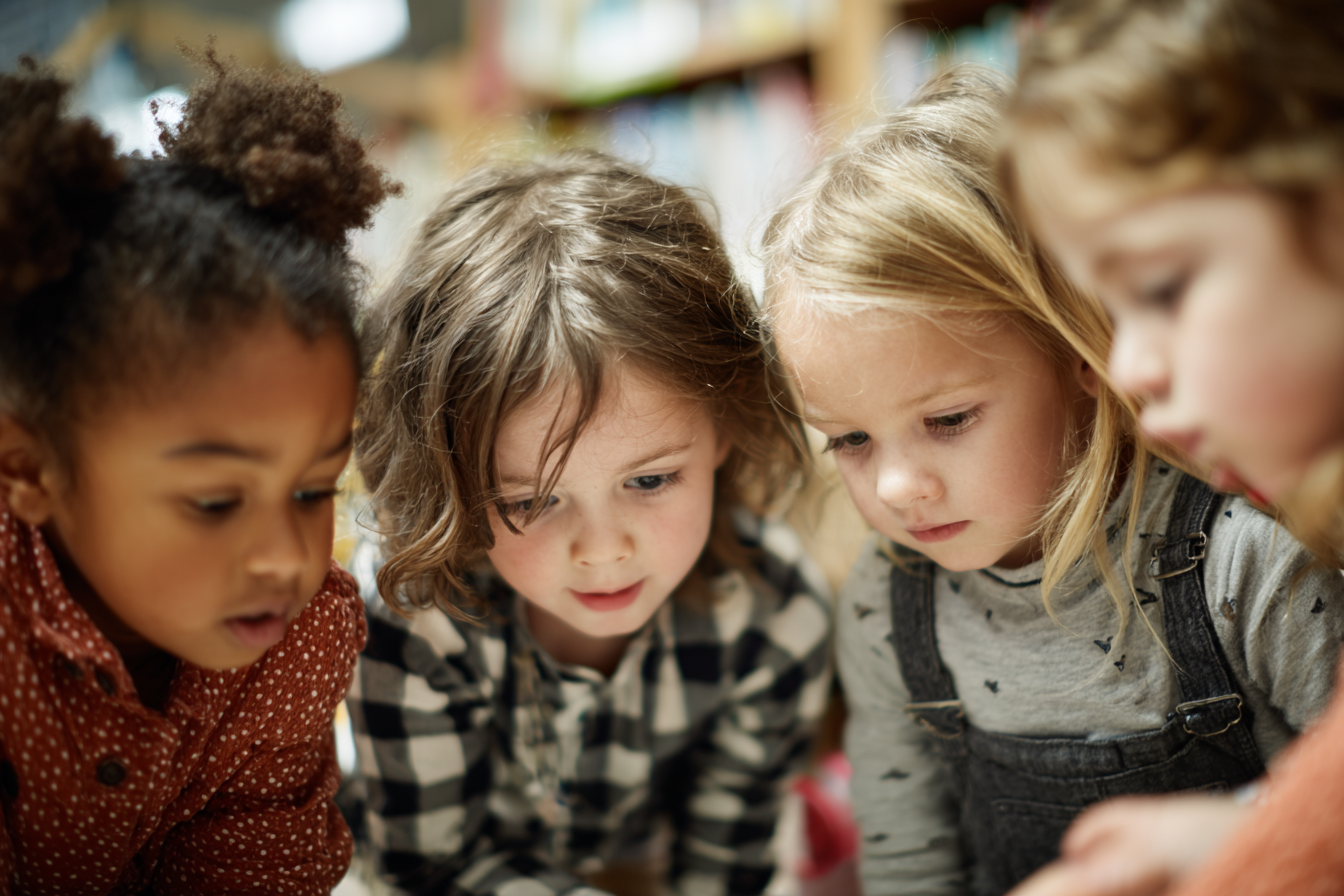
Focus: Help PreK children understand that stories can teach us something about feelings, choices, friendship, behavior, relationships, and the world around us. Children listen to meaningful read-alouds, use pictures and conversation to explore simple questions, share observations and ideas, and respond through talk, drawing, play, movement, or simple creative work.
Grade Level: PreK
Subject Area: Library (Story Meaning • Reflection • Creative Response)
Total Unit Duration: 1–3 weeks, 20–30 minutes per session
I. Introduction
This PreK library unit helps children think about how stories can be enjoyable and meaningful at the same time. The librarian selects read-alouds with clear, age-appropriate takeaways about kindness, trying again, sharing, feelings, friendship, honesty, courage, helping, or learning about the world. Children are not expected to identify abstract themes independently, but they can begin noticing what a character feels, what a character learns, or what the story helps the class think about.
The librarian supports reflection through simple questions such as “What did the character learn?” “What happened when the character made that choice?” and “What can this story help us remember?” Children may respond by sharing an observation, pointing to a picture, acting out a helpful choice, drawing a favorite lesson, or using puppets to show what a character figured out. The goal is to preserve the joy of storytime while helping children understand that books can help us think about life, feelings, and others.
Essential Questions
- What can a story help me learn?
- What did the character feel, choose, or figure out?
- How can pictures, stories, and conversation help us think about simple questions?
- How can I use talk, art, play, or movement to show what I understood?
II. Objectives and Standards
Learning Objectives — Students will be able to:
- Use pictures, stories, and conversation to begin exploring answers to simple questions.
- Share observations and ideas about books, topics, and objects introduced in library lessons.
- Use stories, play, art, and simple media to explore ideas and express understanding.
- Identify or show one simple idea a story can teach, such as kindness, sharing, helping, trying again, or understanding feelings.
- Respond to a meaningful story through drawing, talking, movement, puppets, picture cards, or play.
- (Optional Sessions) Strengthen story reflection through repeated read-alouds, picture discussion, creative response, role-play, and simple sharing routines.
Standards Alignment — PreK (AASL-based Custom)
- L:S1.PKb — Use pictures, stories, and conversation to begin exploring answers to simple questions.
- Example: A child looks through a nonfiction picture book to learn about insects after a class discussion.
- L:S1.PKc — Share observations and ideas about books, topics, and objects introduced in library lessons.
- Example: A child points out something they noticed in an illustration and explains it to the class.
- L:S5.PKa — Use stories, play, art, and simple media to explore ideas and express understanding.
- Example: A child draws a favorite part of a story or acts it out with props.
Success Criteria — Student Language
- I can listen to a story and think about what it teaches.
- I can notice what a character feels or does.
- I can share one idea from the story.
- I can use pictures and talk to help me understand.
- I can draw, act, point, talk, or play to show my thinking.
- I can learn from stories.