Unit Plan 35 (PreK Social Studies): Our Place in the World
Help preschoolers explore where they live and belong—from home to the wider world—through maps, globes, and celebrations that build global awareness.

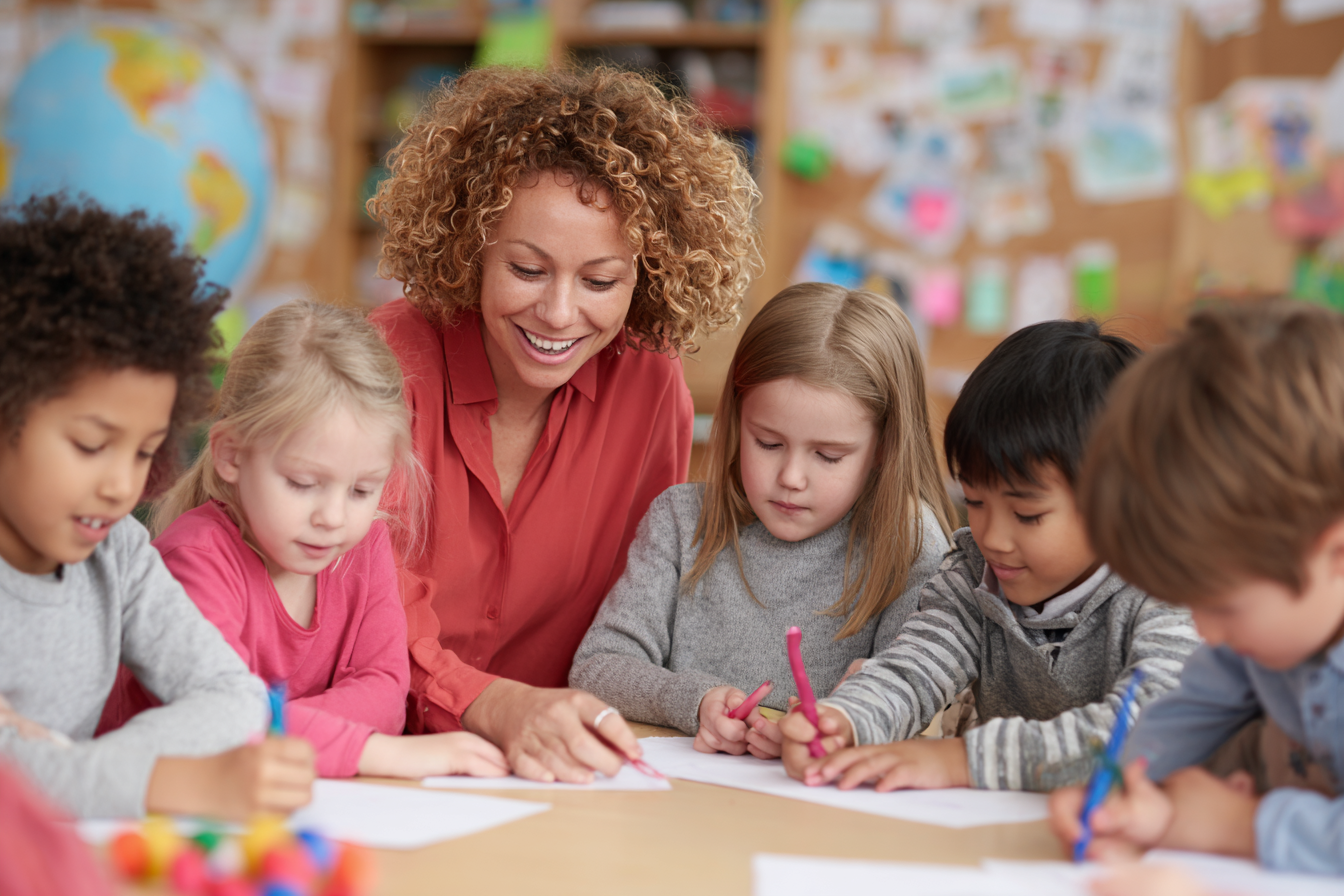
Focus: Help children understand that they live in a specific place (home, school, neighborhood) that is part of a bigger world (town, country, Earth) by exploring maps, globes, pictures of different places, and simple stories about important people and celebrations.
Grade Level: PreK
Subject Area: Social Studies (Geography • Early History & Community Awareness)
Total Unit Duration: 5 sessions (one week), 15–20 minutes per session
I. Introduction
In this unit, children learn that they belong to many places at once—their home, school, neighborhood, city, country, and the world. Through simple maps, a globe or world map, photos, and stories, they practice naming familiar places, noticing where things are, and comparing different environments.
They also connect important people and celebrations (like community helpers or well-known holidays) to the idea that people all over the world live in different places but still celebrate and care about similar things. Children end the week by creating a “My Place in the World” page that shows themselves and at least one place they belong to.
Essential Questions
- Where do I live, learn, and play?
- How can we show our school, town, and country on maps or a globe?
- How are different places in the world the same and different?
- Who are some important people we learn about, and where do they live or work?
II. Objectives and Standards
Learning Objectives — Students will be able to:
- Name or point to at least two familiar places they belong to (e.g., home, school, neighborhood).
- Use simple maps or models to show where familiar places are (e.g., classroom map, school-to-park route).
- Use position words (near, far, above, below, next to) to describe where something is on a map or in the room.
- Notice and describe at least one natural or built feature (trees, grass, buildings, roads) in pictures or walks.
- Say one way another place (e.g., city vs. park, our playground vs. another photo) is the same or different.
- Identify at least one important person or celebration and connect it to a place (school, town, or country).
Standards Alignment — PreK (C3-based custom)
- PK.C3.Geo.1 — Identify familiar places and spaces. Recognizes and names places like home, school, and playground.
- Example: “We walk to the library from school.”
- PK.C3.Geo.2 — Use simple maps and models to represent places. Draws or builds models showing key landmarks or routes.
- Example: Drawing a map from the classroom to the cafeteria.
- PK.C3.Geo.3 — Describe where things are using position words. Uses language like near, far, above, below, and next to.
- Example: “The slide is next to the swings.”
- PK.C3.Geo.4 — Observe and describe the environment. Talks about natural features like trees, grass, and weather.
- Example: “It’s windy today, and the leaves are moving.”
- PK.C3.Geo.5 — Compare features of different places. Notices differences between locations (home vs. school, city vs. park).
- Example: “Our playground has sand, but the park has grass.”
- PK.C3.Hist.3 — Identify important people and celebrations. Recognizes helpers, leaders, and special holidays.
- Example: “We celebrate Dr. King because he helped people be fair.”
Success Criteria — Student Language
- I can name places where I live, learn, or play.
- I can use a map or picture to show where something is.
- I can say where something is using near, far, above, below, next to.
- I can tell how two places are the same or different.
- I can name one important person or celebration and say something about it.