Lesson Plan (Grades K-2): Animal Builders Blueprint Challenge - Habitats, Structures, and Creative Problem-Solving
Explore animal habitats through a hands-on STEM challenge where K–2 students investigate nests, webs, burrows, and hives, then design and build their own animal structure models.

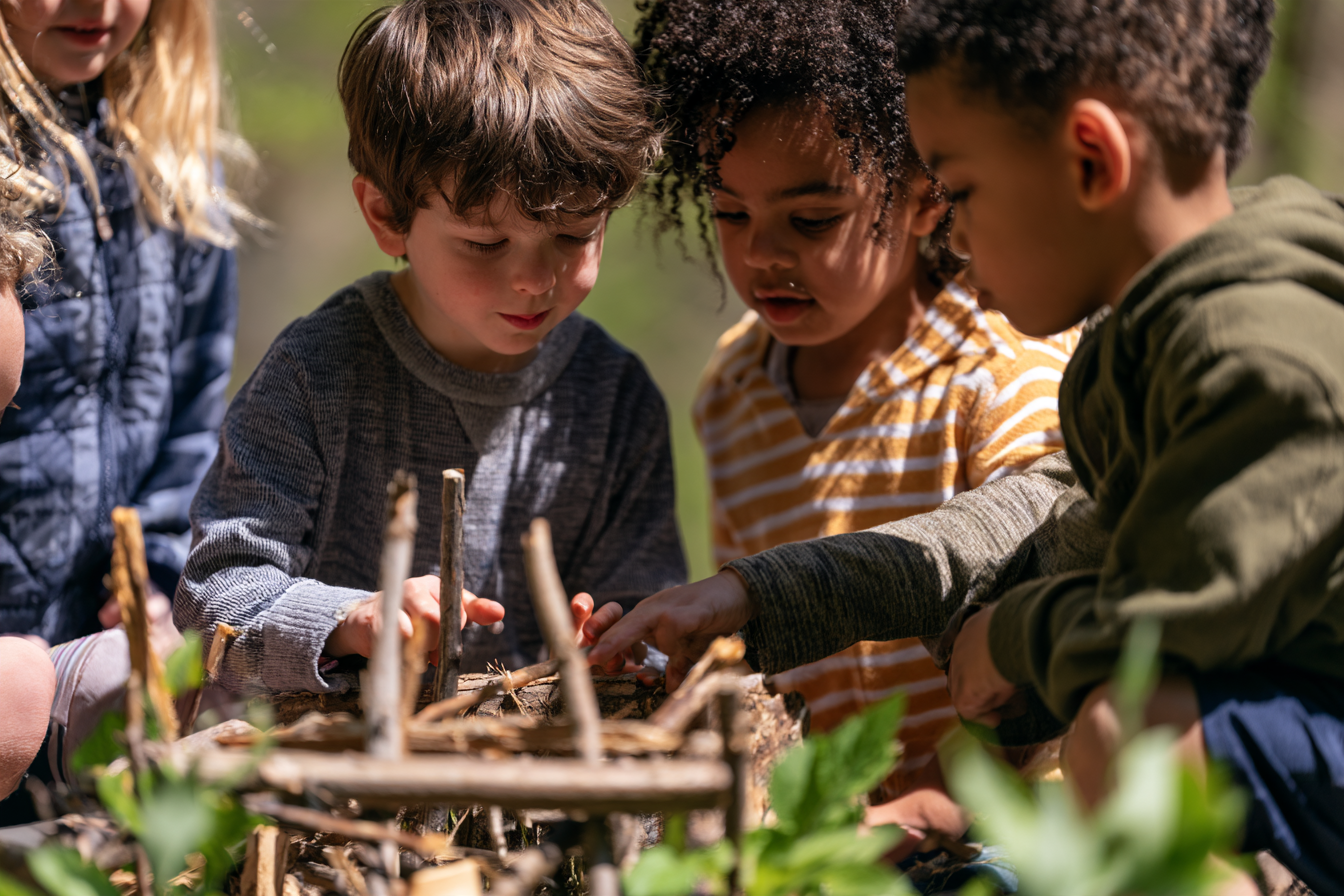
Focus: Investigate how animals use and build structures within their habitats, then apply observations through a creative engineering design challenge. Students study examples such as bird nests, spider webs, rabbit burrows, and bee hives; identify how those structures help animals meet survival needs; create a simple blueprint; and construct a model animal habitat structure from classroom materials.
Grade Level: K–2
Subject Area: Science • STEM/Engineering • Art & Design
Total Unit Duration: 1–3 sessions, 45–60 minutes per session
I. Introduction
Animals are remarkable builders. Birds weave nests from twigs and grass, spiders construct webs, rabbits create underground burrows, and bees work together to build hives. These structures are not simply interesting shapes—they help animals meet important needs involving shelter, safety, food, raising young, and survival.
In the Animal Builders Blueprint Challenge, students become young animal architects and engineers. They observe real examples of animal-built structures, compare how different animals live, and consider why particular structures work for particular animals. Students then select an animal, create a simple blueprint, and build a model structure designed to help that animal survive.
The challenge intentionally combines science and engineering. Students use observations to think about what living things need, compare the diversity of animal life and habitats, and translate their ideas into a physical model. Younger students can focus on identifying needs and constructing simple models, while older students can explain how particular design features serve specific purposes.
Essential Questions
- What do animals need in order to survive?
- What kinds of structures do animals build or use?
- How are nests, webs, burrows, hives, and other animal structures different?
- How does an animal’s structure help it meet a particular need?
- What can we learn by observing different animals and their habitats?
- How can a blueprint help us plan before we build?
- How can we improve a model when the first design does not work as expected?
II. Objectives and Standards
Learning Objectives — Students will be able to:
- Identify basic needs animals must meet in order to survive.
- Observe and describe examples of animals and the structures they build or use.
- Compare different animal structures, including nests, webs, burrows, and hives.
- Explain at an age-appropriate level how a structure can help an animal meet one or more needs.
- Develop a simple drawing or blueprint representing an animal habitat structure.
- Build a physical model based on the blueprint.
- Use observations and testing to identify one possible improvement to a model.
- Communicate how specific design features help the chosen animal.
Standards Alignment — NGSS
- NGSS K-LS1-1 — From Molecules to Organisms: Structures and ProcessesUse observations to describe patterns of what plants and animals, including humans, need to survive.
- Lesson Connection: Students identify animal needs such as food, water, shelter, space, and safety and explain how animal structures may support those needs.
- NGSS 2-LS4-1 — Biological Evolution: Unity and DiversityMake observations of plants and animals to compare the diversity of life in different habitats.
- Lesson Connection: Students observe and compare animals and structures from different habitats and recognize that animals live and build in many different ways.
- NGSS K-2-ETS1-2 — Engineering DesignDevelop a simple sketch, drawing, or physical model to illustrate how the shape of an object helps it function as needed to solve a given problem.
- Lesson Connection: Students create a blueprint and physical model showing how the shape and features of an animal structure help meet the animal’s needs.
Success Criteria — Student Language
- I can name things an animal needs to survive.
- I can describe a structure that an animal builds or uses.
- I can compare two different animal structures.
- I can explain how part of an animal structure helps the animal.
- I can draw a blueprint before I build.
- I can build a model from my plan.
- I can explain one thing I would change to make my structure work better.