Lesson Plan (Grades K-2): Grocery Store Math Market - Counting Coins, Comparing Prices, and Making Smart Choices
Bring math and money skills to life with a K–2 Grocery Store Math Market where students count coins, compare prices, graph data, and shop on a budget.

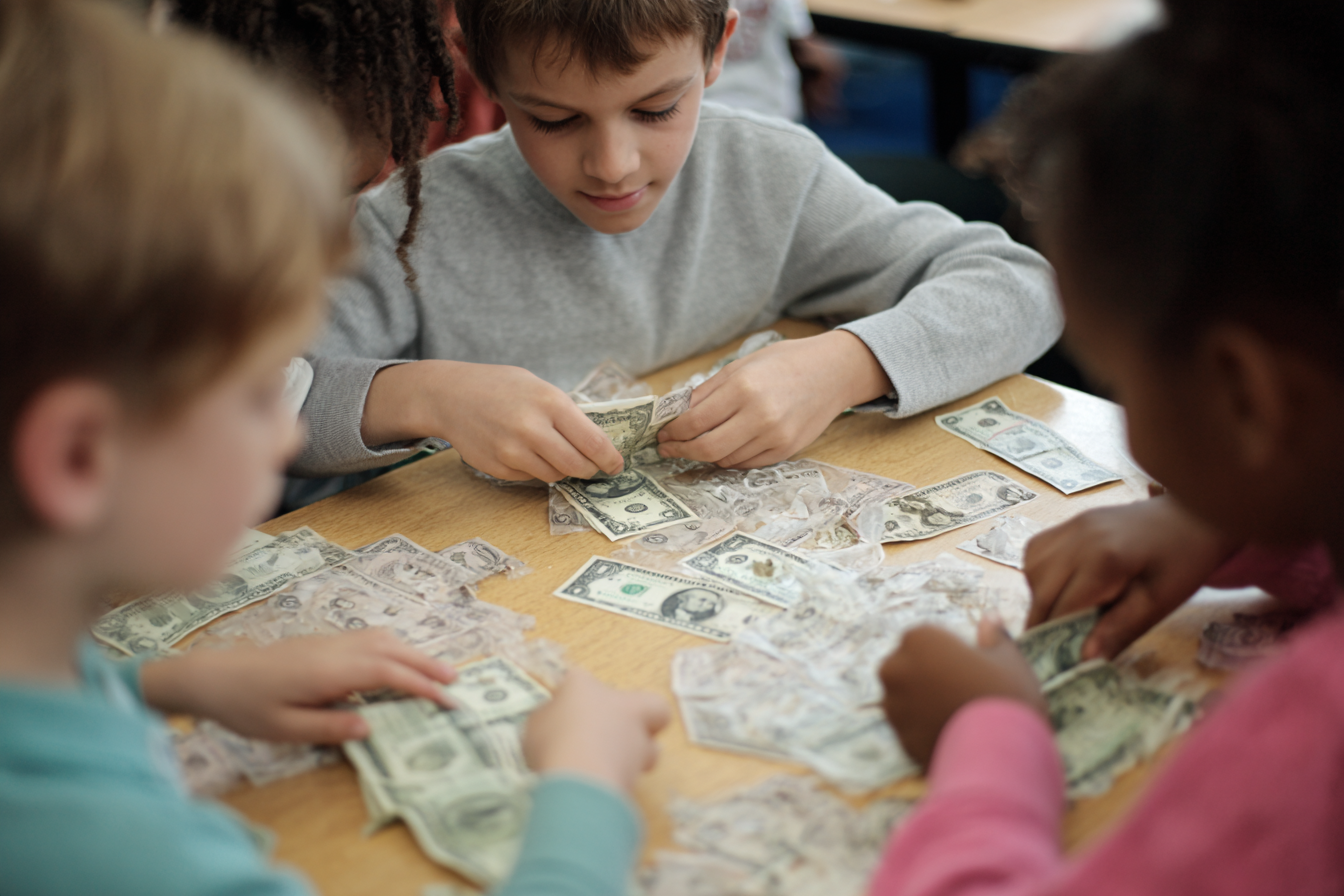
Focus: Turn early math and financial literacy into a playful grocery store simulation where students count coins, compare prices, organize shopping data, and practice making smart choices with a limited amount of money. Students act as shoppers, cashiers, and math thinkers as they buy classroom grocery items, discuss needs and wants, and explain their choices through counting, comparison, and collaborative conversation.
Grade Level: K-2
Subject Area: Math • Financial Literacy • Speaking & Listening • Inquiry/Skills
Total Unit Duration: 1 core lesson with 2 optional extension lessons
I. Introduction
Students enter a classroom Grocery Store Math Market where math feels useful, active, and connected to real life. In the core lesson, students use play money, picture price tags, and classroom “grocery” items to count coins, compare prices, and make simple shopping decisions. They practice asking questions, listening to partners, organizing information, and explaining why one item costs more or less than another.
The lesson gives students a developmentally appropriate introduction to financial thinking. Younger students may focus on counting objects, comparing quantities, and participating in role-play conversations, while older students can count coins, solve simple money word problems, and make choices with a small budget. The playful market structure supports math fluency, communication, and practical decision-making in a way that feels like a classroom game but builds real-world skills.
Essential Questions
- How can we use counting to help us shop in a pretend grocery store?
- How can we compare prices to decide which item costs more or less?
- How can coins help us show an amount of money?
- How do shoppers make smart choices when they have only a certain amount to spend?
- How can we talk and work together respectfully during a classroom market?
II. Objectives and Standards
Learning Objectives — Students will be able to:
- Count objects, coins, or price amounts in a classroom grocery market.
- Compare two or more prices using words such as more, less, greater, fewer, cheaper, and more expensive.
- Solve simple shopping problems using coins, play money, drawings, or objects.
- Organize grocery choices or class shopping data into a simple chart or graph.
- Participate in collaborative role-play conversations as shoppers, cashiers, or market helpers.
- Explain one smart shopping choice using math language and evidence from prices or coins.
Standards Alignment
- CCSS.MATH.CONTENT.1.MD.C.4
- Organize, represent, and interpret data with up to three categories; ask and answer questions about how many data points are in each category and how many more or fewer are in one category than another.
- CCSS.MATH.CONTENT.2.MD.C.8
- Solve word problems involving dollar bills, quarters, dimes, nickels, and pennies, using appropriate symbols.
- CCSS.MATH.CONTENT.K.CC.C.6
- Identify whether the number of objects in one group is greater than, less than, or equal to the number of objects in another group.
- CCSS.MATH.CONTENT.1.NBT.B.3
- Compare two two-digit numbers based on meanings of the tens and ones digits, recording the results of comparisons with symbols if appropriate.
- CCSS.ELA-LITERACY.SL.K.1 / SL.1.1 / SL.2.1
- Participate in collaborative conversations with diverse partners about kindergarten through grade 2 topics and texts with peers and adults in small and larger groups.
Success Criteria — Student Language
- I can count coins, objects, or prices in the grocery store.
- I can tell which item costs more or less.
- I can use coins or drawings to show how much something costs.
- I can make a smart shopping choice and explain why.
- I can talk and listen respectfully while working in the market.