Lesson Plan (Grades 3-5): Save the Pollinators - Designing Gardens That Help Bees, Butterflies, and Communities
Design a pollinator garden for grades 3-5 with ecosystem research, plant choices, habitat needs, science evidence, and community impact.

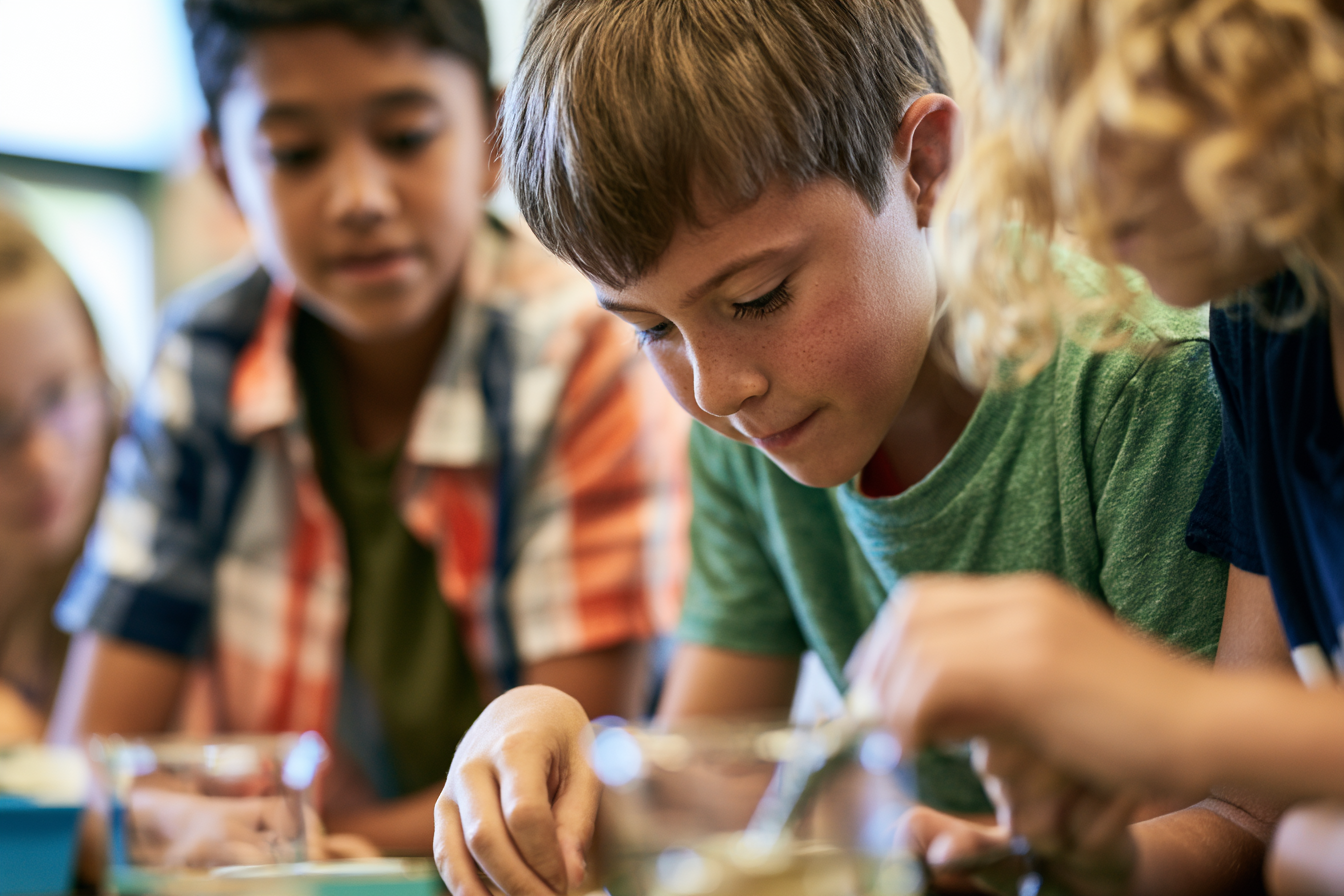
Focus: Engage students in a real-world life science and community design challenge where they research pollinators, learn how bees, butterflies, and other animals support ecosystems, and design a simple pollinator garden that helps living things survive. Students choose plants, plan a garden layout, explain how their design supports pollinators, and connect environmental problem-solving to community impact.
Grade Level: 3-5
Subject Area: Science • Environmental Literacy • ELA/Writing • Speaking & Listening • Design/Engineering Thinking
Total Unit Duration: 1 core lesson with 2 optional extension lessons
I. Introduction
Students become environmental designers in a Save the Pollinators challenge where science knowledge leads to real-world action. In the core lesson, students learn that pollinators such as bees, butterflies, moths, beetles, and hummingbirds help many plants reproduce by moving pollen from flower to flower. They examine why pollinators need food, water, shelter, safe spaces, and plant diversity, then use that information to design a small pollinator-friendly garden.
The lesson feels positive, visual, and community-centered. Students are not just learning facts about bees and butterflies; they are using science to solve a real problem. By designing a garden layout and explaining their choices, students practice ecosystem thinking, evidence-based writing, and clear communication. The final product can be a garden proposal, labeled design map, poster, or short presentation for a school or community audience.
Essential Questions
- Why are pollinators important to plants, animals, and people?
- What do bees, butterflies, and other pollinators need to survive?
- How can a garden design support an ecosystem?
- How can people make choices that help living things in their community?
- How can we use evidence to explain why a design solution is helpful?
II. Objectives and Standards
Learning Objectives — Students will be able to:
- Explain the role of pollinators in helping plants reproduce and supporting ecosystems.
- Identify basic needs of pollinators, including food, water, shelter, and safe habitat.
- Use information from texts, images, or teacher-provided resources to choose pollinator-friendly garden features.
- Design a simple pollinator garden layout with labeled plants and habitat supports.
- Explain how the garden design helps bees, butterflies, or other pollinators survive and meet their needs.
- Present or write a short garden proposal using science vocabulary, evidence, and clear reasoning.
Standards Alignment
- NGSS 3-LS4-3
- Construct an argument with evidence that in a particular habitat some organisms can survive well, some survive less well, and some cannot survive at all.
- NGSS 3-LS4-4
- Make a claim about the merit of a solution to a problem caused when the environment changes and the types of plants and animals that live there may change.
- NGSS 4-LS1-1
- Construct an argument that plants and animals have internal and external structures that function to support survival, growth, behavior, and reproduction.
- NGSS 5-LS2-1
- Develop a model to describe the movement of matter among plants, animals, decomposers, and the environment.
- NGSS 3-5-ETS1-1
- Define a simple design problem reflecting a need or want that includes specified criteria for success and constraints on materials, time, or cost.
- NGSS 3-5-ETS1-2
- Generate and compare multiple possible solutions to a problem based on how well each is likely to meet the criteria and constraints of the problem.
- CCSS.ELA-LITERACY.W.3.2 / W.4.2 / W.5.2
- Write informative/explanatory texts to examine a topic and convey ideas and information clearly.
- CCSS.ELA-LITERACY.SL.3.4 / SL.4.4 / SL.5.4
- Report on a topic or present information in an organized manner using appropriate facts and relevant, descriptive details.
Success Criteria — Student Language
- I can explain why pollinators are important.
- I can identify what bees, butterflies, or other pollinators need in a habitat.
- I can design a garden that includes plants and features to help pollinators.
- I can label my garden design and explain how each part helps.
- I can present or write a clear proposal using science evidence.