Lesson Plan (Grades K-2): Space Snack Mission - Phonics, Sequencing, and Simple Engineering in a Cosmic Classroom Adventure
Launch K-2 learners into a space snack mission with phonics, sequencing, and simple engineering as they read, build, test, and explain.

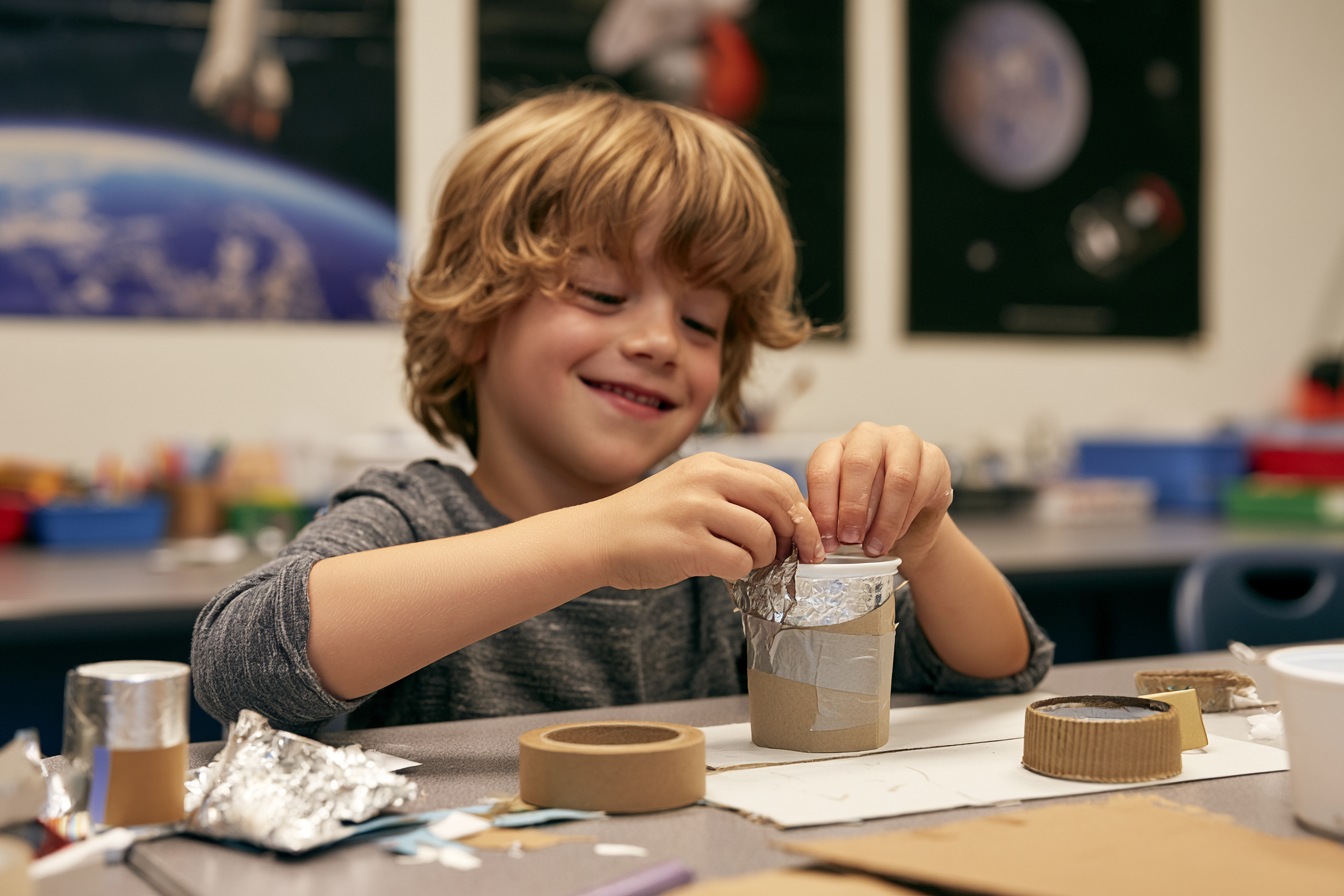
Focus: Launch students into a playful space mission where they practice phonics, read or listen to short mission cards, sequence steps, and design a simple snack container that can protect a “space snack” during pretend travel. Students decode space-themed words, follow ordered directions, build with simple materials, and explain how their design solves the mission problem.
Grade Level: K-2
Subject Area: ELA/Phonics • Reading Comprehension • Science/Engineering Design • Speaking & Listening
Total Unit Duration: 1 core lesson with 2 optional extension lessons
I. Introduction
Students become astronauts and mission engineers in a cheerful Space Snack Mission designed for early elementary classrooms. In the core lesson, students will receive a short mission card explaining that their snack must travel safely through space. Before building, students practice reading or matching space-themed phonics and sight words, then put mission steps in the correct order.
After the literacy warm-up, students design a simple snack container using classroom-safe materials such as foil, paper cups, tape, paper, cardboard, or craft sticks. The goal is not to create a complicated engineering project, but to help students define a simple problem, build a solution, test it gently, and explain what happened. The lesson feels imaginative and adorable, but it stays academic through decoding, sequencing, problem-solving, and oral explanation.
Essential Questions
- How can phonics help us read mission words?
- Why is it important to put steps in the correct sequence?
- What problem does our space snack container need to solve?
- How can we design something to protect a snack during a pretend mission?
- How can we explain what we built and how it worked?
II. Objectives and Standards
Learning Objectives — Students will be able to:
- Read, match, or decode grade-appropriate phonics and sight words connected to a space mission.
- Identify and describe the order of steps in a simple mission task.
- Define a simple engineering problem: how to protect or carry a snack during a pretend space mission.
- Create a simple sketch, drawing, or model of a snack container.
- Build and test a container using classroom-safe materials.
- Explain how their design helps protect the snack and what they would improve.
Standards Alignment
- CCSS.ELA-LITERACY.RF.K.3
- Know and apply grade-level phonics and word analysis skills in decoding words.
- CCSS.ELA-LITERACY.RF.1.3 / RF.2.3
- Know and apply grade-level phonics and word analysis skills in decoding words.
- CCSS.ELA-LITERACY.RI.1.3
- Describe the connection between two individuals, events, ideas, or pieces of information in a text.
- CCSS.ELA-LITERACY.RI.2.3
- Describe the connection between a series of historical events, scientific ideas or concepts, or steps in technical procedures in a text.
- NGSS K-2-ETS1-1
- Ask questions, make observations, and gather information about a situation people want to change to define a simple problem that can be solved through the development of a new or improved object or tool.
- NGSS K-2-ETS1-2
- Develop a simple sketch, drawing, or physical model to illustrate how the shape of an object helps it function as needed to solve a given problem.
- CCSS.ELA-LITERACY.SL.K.1 / SL.1.1 / SL.2.1
- Participate in collaborative conversations with diverse partners about kindergarten through grade 2 topics and texts with peers and adults in small and larger groups.
Success Criteria — Student Language
- I can read or match space mission words.
- I can put mission steps in the correct order.
- I can tell what problem my snack container needs to solve.
- I can build a container to help protect or carry the snack.
- I can explain what worked and what I would change.