Paid-members only Kindergarten Music Units Unit Plan 5 (Grade K Music): Finding the Steady Beat Kindergarten music unit where students move, clap, and play instruments to keep a steady beat, distinguish beat from random sounds, and build listening-and-movement routines using favorite songs and simple “music heartbeat” cues.
Paid-members only Kindergarten Music Units Unit Plan 4 (Grade K Music): Loud & Soft Sounds Kindergarten music unit on dynamics where students safely identify and demonstrate loud/soft sounds using voice, instruments, and movement, while listening for expressive changes and applying simple loud/soft plans in class songs.
Paid-members only Kindergarten Music Units Unit Plan 3 (Grade K Music): High & Low Voices Kindergarten music unit using voice and movement to explore high and low pitch, melodic contour, and simple up/down patterns.
Paid-members only Kindergarten Music Units Unit Plan 2 (Grade K Music): Singing vs. Speaking Voices Kindergarten music unit exploring singing, speaking, whispering, and calling voices while practicing high/low and loud/soft contrasts safely.
Blog Literacy Stations: A Dynamic Approach to Differentiated Reading Instruction Differentiate reading instruction with literacy stations—structured, skills-based rotations for phonics, fluency, comprehension, vocabulary, and writing that boost engagement while teachers deliver targeted small-group guided reading.
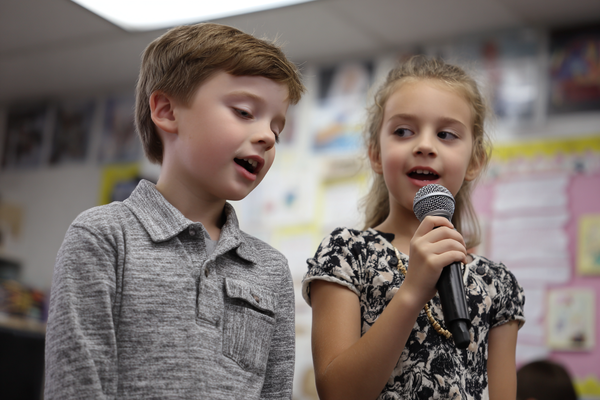
Grade 1 Music Units Unit Plan 36 (Grade 1 Music): Music Sharing Day Grade 1 music unit culminating in a “Music Sharing Day,” where students perform familiar songs for classmates with confident voices, expressive choices, and respectful audience/performer etiquette while building classroom music community.
Paid-members only Grade 1 Music Units Unit Plan 35 (Grade 1 Music): Preparing to Perform Grade 1 music unit using feedback and rehearsal strategies to refine songs and perform with improved accuracy and expressive singing.
Paid-members only Grade 1 Music Units Unit Plan 34 (Grade 1 Music): Independent Music Centers Grade 1 music unit with independent centers to practice steady beat, melodic contour, and improvisation while building confidence and creativity.
Paid-members only Grade 1 Music Units Unit Plan 33 (Grade 1 Music): Expressing Preferences Grade 1 music unit where students share music opinions using simple vocabulary and choose songs that fit classroom purposes like reading or celebration.
Paid-members only Grade 1 Music Units Unit Plan 32 (Grade 1 Music): Favorite Songs Grade 1 music unit where students rehearse favorite songs using simple strategies to sing with expression and perform for classroom purposes.
Paid-members only Grade 1 Music Units Unit Plan 31 (Grade 1 Music): Music & Imagination Grade 1 music unit using imagination, movement, and improv to connect music to stories, feelings, and personal interests and share creative scenes.
Parent Tips Parent Tips: Raising Self-Advocates—Coaching Kids to Ask for Help the Right Way Teach kids self-advocacy with scripts, email templates, and checklists to help them ask for help, request extensions, and speak up confidently at school.
Paid-members only Grade 1 Music Units Unit Plan 30 (Grade 1 Music): Organizing Musical Ideas Grade 1 music unit where students use drawings, symbols, and simple recordings to document, organize, remember, and share their own musical ideas.
Paid-members only Grade 1 Music Units Unit Plan 29 (Grade 1 Music): Rhythm Games Grade 1 music unit using fun rhythm games to practice steady beat and simple patterns, helping students improve accuracy with rehearsal strategies.
Paid-members only Grade 1 Music Units Unit Plan 28 (Grade 1 Music): Sound Pictures Grade 1 music unit where students create and perform sound pictures inspired by images, using voices and instruments to show expressive ideas and intent.
Paid-members only Grade 1 Music Units Unit Plan 27 (Grade 1 Music): Group Performance Grade 1 ensemble performance unit focused on singing/playing together with strong start-stop cues, performance decorum, and respectful audience behavior while performing for a specific purpose (welcome/thank-you/celebration), aligned to MU:Pr6.1.1a–b.
Paid-members only Grade 1 Music Units Unit Plan 26 (Grade 1 Music): Musical Storytelling Grade 1 music unit where students create and perform simple musical stories, using voice, movement, and instruments to show characters, actions, and expressive intent.
Paid-members only Grade 1 Music Units Unit Plan 25 (Grade 1 Music): Call & Response Songs Grade 1 music unit where students sing call-and-response and echo songs accurately, use rehearsal strategies, and begin creating short vocal patterns.
Paid-members only Grade 1 Music Units Unit Plan 24 (Grade 1 Music): Cultural Movement Grade 1 music unit where students move to music from different cultures, showing beat, high/low melodic shape, and mood through simple, respectful movement.
Paid-members only Grade 1 Music Units Unit Plan 23 (Grade 1 Music): Music Around the World Grade 1 world music unit exploring songs from different cultures, helping students connect music to stories, movement, art, celebrations, and daily life while comparing similarities and differences across places.
Paid-members only Grade 1 Music Units Unit Plan 22 (Grade 1 Music): Music in Our Lives Grade 1 music unit connecting music to daily routines and experiences, helping students explain how music fits activities at home, school, and in the community.
Paid-members only Grade 1 Music Units Unit Plan 21 (Grade 1 Music): Music & Movement Stories Grade 1 music unit where students respond to music with creative movement and simple storytelling, performing short movement stories that show feelings, characters, and actions.
Paid-members only Grade 1 Music Units Unit Plan 20 (Grade 1 Music): Music Choices Grade 1 music unit where students choose and explain music for classroom activities using personal interests and simple words like fast, slow, calm, or energetic.
Paid-members only Grade 1 Music Units Unit Plan 19 (Grade 1 Music): Listening for Details Grade 1 music “detective” listening unit where students identify steady beat, high/low pitch, and expressive elements (dynamics, tempo, timbre) to describe different styles and explain how musical choices fit purposes like marching, dancing, or resting.