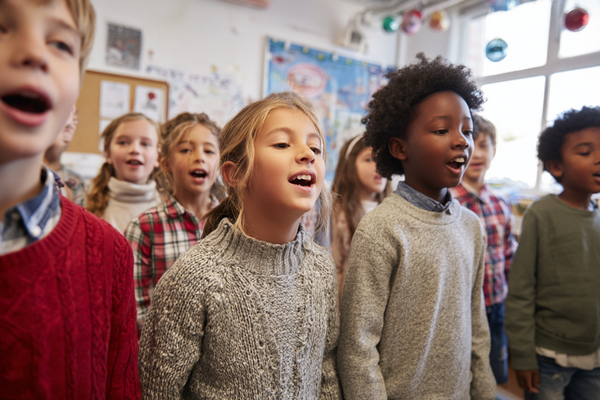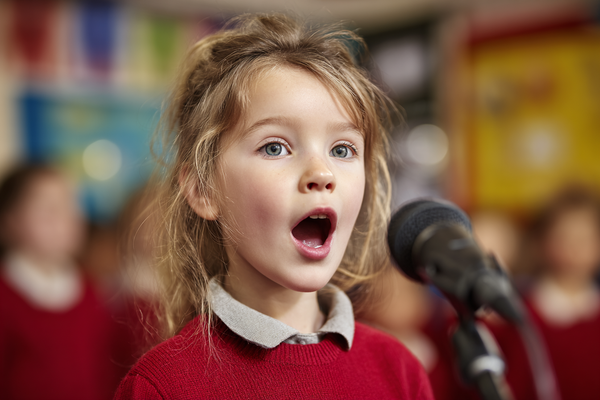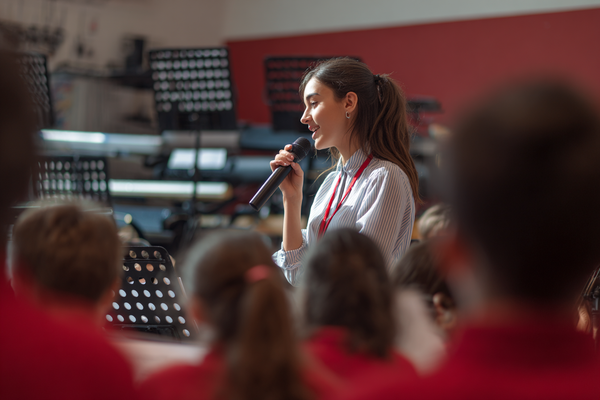
Paid-members only Grade 3 Music Units Unit Plan 36 (Grade 3 Music): Music Sharing Day Grade 3 music unit where students perform for peers with expression, accuracy, and proper performance decorum while practicing respectful audience etiquette.
Paid-members only Grade 3 Music Units Unit Plan 35 (Grade 3 Music): Preparing to Perform Grade 3 music rehearsal unit: practice strategies to fix tricky spots, sharpen accuracy and expression, and deliver confident, polished performances.
Paid-members only Grade 3 Music Units Unit Plan 34 (Grade 3 Music): Independent Music Centers Grade 3 music unit using independent centers to improvise for purpose and explore musical structure through creative, hands-on rhythm and melody tasks.
Paid-members only Grade 3 Music Units Unit Plan 33 (Grade 3 Music): Evaluating Performances Grade 3 music unit where students evaluate performances using clear criteria, reflect on context, and apply feedback to improve their own musical work.
Paid-members only Grade 3 Music Units Unit Plan 32 (Grade 3 Music): Performing Favorite Music Grade 3 music unit where students rehearse and perform favorite pieces with technical accuracy and expression, building confidence, focus, and thoughtful performance skills.
Paid-members only Grade 3 Music Units Unit Plan 31 (Grade 3 Music): Music & Imagination Grade 3 music unit where students use imagination to create rhythms/melodies for scenes, movement, and play, connecting musical choices to personal interests and purpose.
Paid-members only Grade 3 Music Units Unit Plan 30 (Grade 3 Music): Organizing Musical Ideas Grade 3 unit where students capture rhythmic and melodic ideas with iconic/standard notation or simple recordings, organize patterns into short pieces, rehearse, revise, and share compositions.
Paid-members only Grade 3 Music Units Unit Plan 29 (Grade 3 Music): Rhythm & Melody Games Grade 3 unit using rhythm and melody games to read iconic/standard notation, rehearse with feedback, and improve accuracy, steady beat, and confident performance.
Paid-members only Grade 3 Music Units Unit Plan 28 (Grade 3 Music): Sound & Scene Creation Grade 3 music unit: students improvise and shape scene-inspired rhythms/melodies into a final performance, explaining how tempo, dynamics, and sound choices express clear intent.
Paid-members only Grade 3 Music Units Unit Plan 27 (Grade 3 Music): Group Music Performance Grade 3 ensemble unit: rehearse and perform with expression and accuracy while practicing performance decorum and audience etiquette for confident group sharing.
Paid-members only Grade 3 Music Units Unit Plan 26 (Grade 3 Music): Music Storytelling Grade 3 unit: students create and perform story/scene music, explaining expressive intent (tempo, dynamics, sound choices) and how personal interests inspired their composition.
Paid-members only Grade 3 Music Units Unit Plan 25 (Grade 3 Music): Call & Response Songs Grade 3 music unit: perform echo and call-and-response songs, using criteria and feedback to rehearse, refine accuracy, ensemble blend, and expression.
Paid-members only Grade 3 Music Units Unit Plan 24 (Grade 3 Music): Cultural Movement & Music Grade 3 unit on world music: students respond with respectful, culturally informed movement, explaining how context and daily life shape performance choices.
Paid-members only Grade 3 Music Units Unit Plan 23 (Grade 3 Music): Music Around the World Grade 3 music unit exploring global cultures, showing how music connects to dance, art, school subjects, daily life, and community traditions worldwide.
Paid-members only Grade 3 Music Units Unit Plan 22 (Grade 3 Music): Music in Our Lives Grade 3 music unit connecting school, home, and community experiences to music, showing how interests and skills shape creating, performing, and responding.
Paid-members only Grade 3 Music Units Unit Plan 21 (Grade 3 Music): Expressive Listening Grade 3 music unit where students listen for dynamics and tempo, describing how expressive choices shape musical meaning and performer intent.
Paid-members only Grade 3 Music Units Unit Plan 20 (Grade 3 Music): Music Preferences & Purpose Grade 3 unit: students connect music choices to personal experiences and use simple criteria to evaluate whether songs fit a purpose or context.
Paid-members only Grade 3 Music Units Unit Plan 19 (Grade 3 Music): Listening for Musical Form Grade 3 music unit: identify form (verse/chorus, AB, ABA), map sections, and explain how structure shapes listening responses.
Paid-members only Grade 3 Music Units Unit Plan 18 (Grade 3 Music): Melodic Performance Grade 3 music unit on performing melodies with expression and accuracy while practicing performance decorum and audience etiquette during a classroom sharing/performance.
Paid-members only Grade 3 Music Units Unit Plan 17 (Grade 3 Music): Revising Our Music Grade 3 unit where students use teacher criteria to evaluate and revise personal melodies, improving rhythm, pitch, expression, and clarity with before-and-after sharing.
Paid-members only Grade 3 Music Units Unit Plan 16 (Grade 3 Music): Choosing Music for Purpose Grade 3 music unit where students choose songs and melodic ideas for a purpose, perform selections, and explain how context and personal experiences shape music choices.
Paid-members only Grade 3 Music Units Unit Plan 15 (Grade 3 Music): Expressive Singing Grade 3 singing unit: students use dynamics and tempo for expressive intent, rehearsing to improve technical accuracy and fix challenging spots.
Paid-members only Grade 3 Music Units Unit Plan 14 (Grade 3 Music): Notating Melodies Grade 3 unit: students document personal melodies using iconic/standard notation or recording tools to save, share, and refine musical ideas.
Paid-members only Grade 3 Music Units Unit Plan 13 (Grade 3 Music): Melodic Improvisation Grade 3 music unit: students improvise short melodic ideas for a purpose, then choose, repeat, and refine a melody to clearly match a feeling, story, or context.
Paid-members only Grade 3 Music Units Unit Plan 12 (Grade 3 Music): Major & Minor Sounds Grade 3 music unit: students create major/minor melodies, then use listening, tempo, and dynamics to shape mood and explain expressive intent.