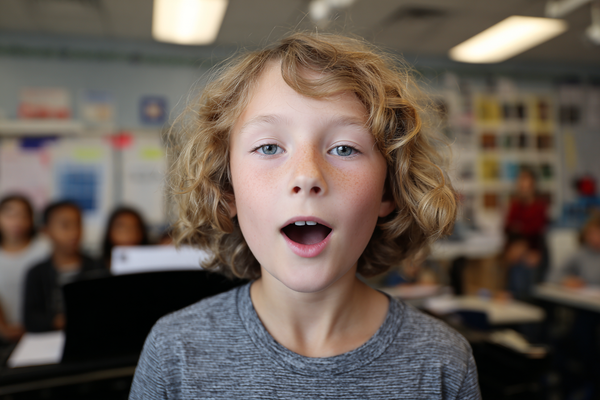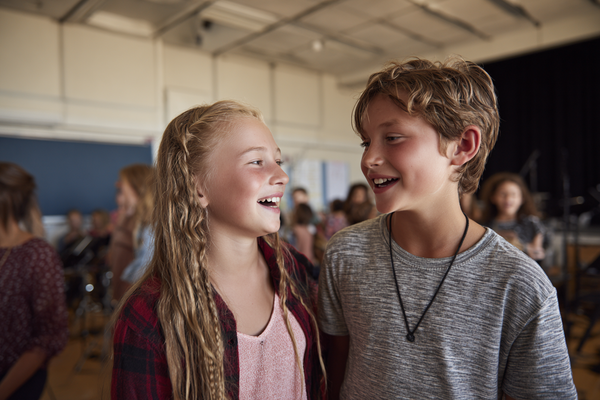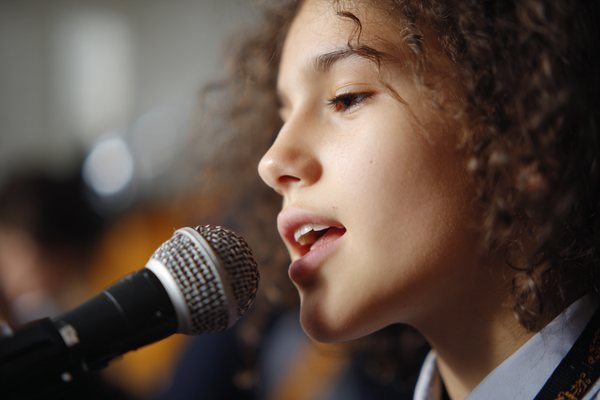
Paid-members only Grade 6 Vocal Music Units Unit Plan 36 (Grade 6 Vocal Music): Vocal Performance Day Grade 6 singers present a final performance showing growth in pitch, rhythm, diction, and expression while demonstrating strong ensemble and audience etiquette.
Paid-members only Grade 6 Vocal Music Units Unit Plan 35 (Grade 6 Vocal Music): Preparing to Perform Grade 6 singers refine a final performance piece by using teacher feedback to improve pitch, rhythm, diction, and expression with confidence.
Paid-members only Grade 6 Vocal Music Units Unit Plan 34 (Grade 6 Vocal Music): Vocal Choice & Reflection Explain how tone, dynamics, and lyrics shape a song’s meaning, then justify which vocal pieces fit specific purposes by connecting choices to personal experiences.
Paid-members only Grade 6 Vocal Music Units Unit Plan 33 (Grade 6 Vocal Music): Evaluating Our Singing Grade 6 students evaluate personal and ensemble performances using clear criteria, give specific feedback, and set goals to improve future vocal performances.
Paid-members only Grade 6 Vocal Music Units Unit Plan 32 (Grade 6 Vocal Music): Expressive Performance Grade 6 singers perform with confidence and expressive intent, using clear diction, posture, breath, and dynamics to communicate meaning in ensemble music.
Paid-members only Grade 6 Vocal Music Units Unit Plan 31 (Grade 6 Vocal Music): Independent Rehearsal Skills Grade 6 singers build independence by using rehearsal strategies to improve pitch, rhythm, and blend, practicing effectively without constant teacher guidance.
Paid-members only Grade 6 Vocal Music Units Unit Plan 30 (Grade 6 Vocal Music): Improving Vocal Technique Grade 6 singers refine posture, breathing, tone, and diction for healthy changing voices, using feedback to adjust technique and perform with stronger, clearer sound.
Paid-members only Grade 6 Vocal Music Units Unit Plan 29 (Grade 6 Vocal Music): Sight-Singing Practice Grade 6 singers build confidence reading and singing new music using notation, solfege, and rehearsal strategies to improve pitch, rhythm, and ensemble blend.
Paid-members only Grade 6 Vocal Music Units Unit Plan 28 (Grade 6 Vocal Music): Sound & Scene Creation Grade 6 students create vocal patterns and soundscapes inspired by images and emotions, using pitch, rhythm, dynamics, and tone to communicate mood and meaning.
Paid-members only Grade 6 Vocal Music Units Unit Plan 27 (Grade 6 Vocal Music): Ensemble Performance Grade 6 vocalists rehearse and perform collaboratively, strengthening pitch, rhythm, diction, expression, and performance etiquette as ensemble singers.
Paid-members only Grade 6 Vocal Music Units Unit Plan 26 (Grade 6 Vocal Music): Vocal Storytelling Grade 6 students create short vocal soundscapes and musical scenes that tell stories, express emotions, and represent places—then explain how choices like tempo, dynamics, pitch, and tone connect to the narrative and their personal experiences.
Paid-members only Grade 6 Vocal Music Units Unit Plan 25 (Grade 6 Vocal Music): Cultural Singing Styles Grade 6 students sing vocal music from diverse cultures, using rhythm, pitch, dynamics, and tone to perform with authentic style and cultural respect.
Paid-members only Grade 6 Vocal Music Units Unit Plan 24 (Grade 6 Vocal Music): Music & Culture Grade 6 students explore vocal music from different cultures, learning how songs reflect traditions, history, and daily life through respectful listening and comparison.
Paid-members only Grade 6 Vocal Music Units Unit Plan 23 (Grade 6 Vocal Music): Music & Personal Identity Grade 6 students connect music preferences and vocal styles to personal experiences, identity, and feelings, explaining how these shape singing choices and goals.
Paid-members only Grade 6 Vocal Music Units Unit Plan 22 (Grade 6 Vocal Music): Evaluating Vocal Performances Grade 6 students use clear criteria and specific evidence to evaluate vocal performances—pitch, rhythm, blend, diction, and expression—through respectful listening, feedback, and goal-setting.
Paid-members only Grade 6 Vocal Music Units Unit Plan 21 (Grade 6 Vocal Music): Comparing Performances Grade 6 students compare expressive choices in vocal performances—tone, dynamics, tempo, articulation, and diction—to explain how interpretation and meaning change.
Paid-members only Grade 6 Vocal Music Units Unit Plan 20 (Grade 6 Vocal Music): Tone & Text Expression Analyze how vocal tone, dynamics, and lyrics work together in Grade 6 vocal music to shape mood, expression, and musical meaning through listening and performance.
Paid-members only Grade 6 Vocal Music Units Unit Plan 19 (Grade 6 Vocal Music): Listening for Musical Elements Grade 6 students identify pitch, rhythm, dynamics, and tempo in vocal music through focused listening, analysis, and music vocabulary to describe mood and expression.
Paid-members only Grade 6 Vocal Music Units Unit Plan 18 (Grade 6 Vocal Music): Performance With Reflection Perform Grade 6 vocal music with accurate pitch, rhythm, diction, and expressive choices—then explain how tempo, dynamics, articulation, and tone communicate musical intent to an audience.
Paid-members only Grade 6 Vocal Music Units Unit Plan 17 (Grade 6 Vocal Music): Preparing a Vocal Piece Rehearse a Grade 6 vocal piece using proven strategies to strengthen pitch accuracy, rhythmic steadiness, and ensemble blend, while applying teacher feedback to polish performance-ready singing.
Paid-members only Grade 6 Vocal Music Units Unit Plan 16 (Grade 6 Vocal Music): Singing With Expression Apply tempo, dynamics, and articulation to shape expressive vocal performances, helping Grade 6 students interpret music with intention and meaning.
Paid-members only Grade 6 Vocal Music Units Unit Plan 15 (Grade 6 Vocal Music): Revising Vocal Music Teach Grade 6 singers to revise musical ideas using peer and teacher feedback, improving pitch, rhythm, diction, and expressive singing skills.
Paid-members only Grade 6 Vocal Music Units Unit Plan 14 (Grade 6 Vocal Music): Notating Vocal Music Teach Grade 6 singers how to document original vocal ideas using basic notation and simple recording tools, helping them save, revise, and share melodies accurately and confidently.
Paid-members only Grade 6 Vocal Music Units Unit Plan 13 (Grade 6 Vocal Music): Organizing Musical Ideas Help Grade 6 singers organize melodic ideas into simple song forms (AB or verse–refrain), using repetition and contrast to create a clear beginning, middle, and ending they can perform.
Paid-members only Grade 6 Vocal Music Units Unit Plan 12 (Grade 6 Vocal Music): Melody Creation Create short, singable melodies in a given key and meter as Grade 6 students use stepwise motion and simple rhythms to compose and perform original ideas.