Unit Plan 13 (Grade 1 Library): Fiction and Nonfiction
Help Grade 1 students compare fiction and nonfiction, use book clues, and choose stories or information books with purpose.

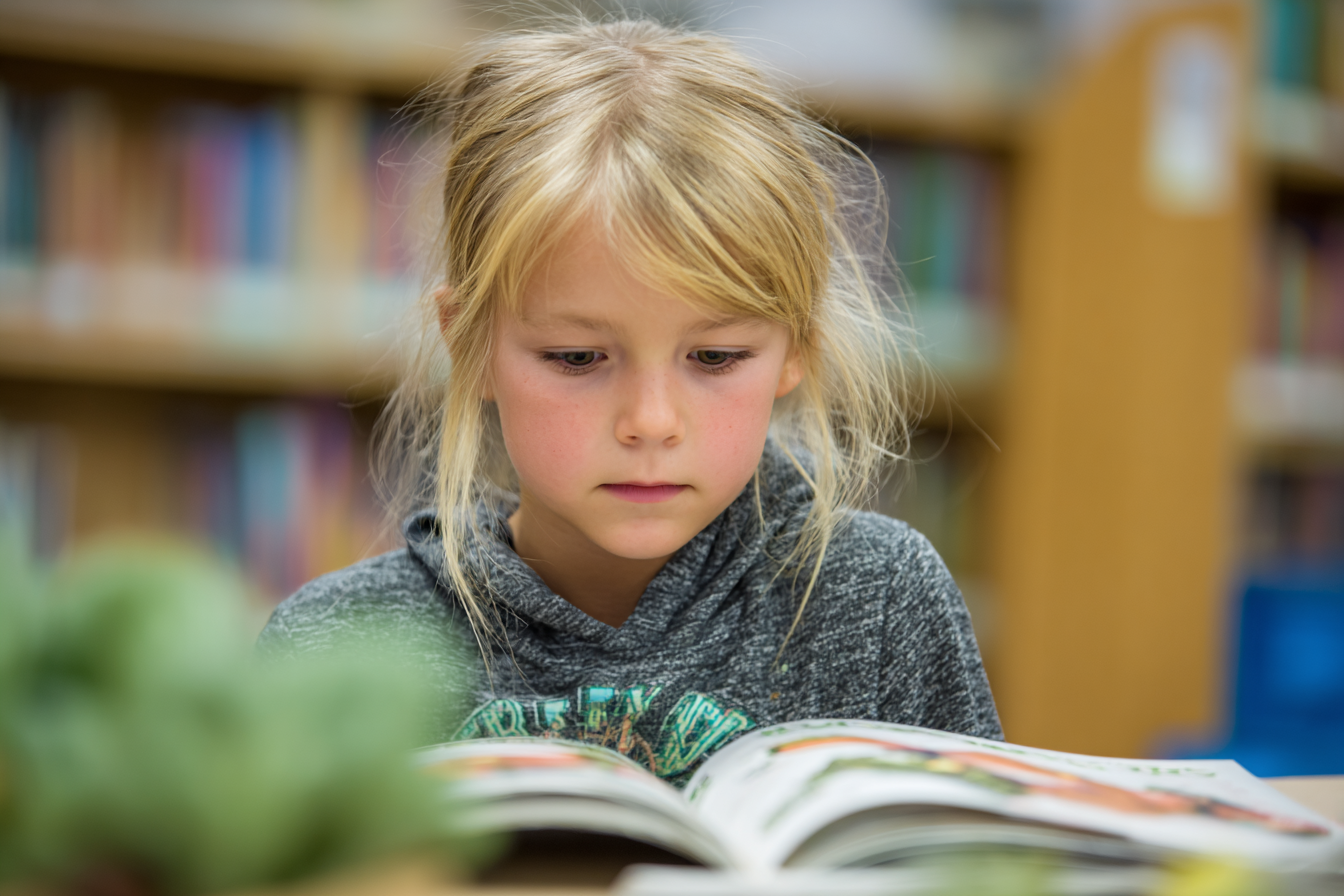
Focus: Help Grade 1 students distinguish between fiction and nonfiction by noticing simple differences in purpose, pictures, text features, and what each kind of book helps readers do. Students learn to use the language of story and information while exploring how both kinds of books can be enjoyable, useful, and worth choosing in the library.
Grade Level: 1
Subject Area: Library (Book Types • Reading Choice • Information/Story Understanding)
Total Unit Duration: 1–3 weeks, 50–60 minutes per session
I. Introduction
This unit helps Grade 1 students begin understanding the difference between fiction and nonfiction in simple, meaningful ways. By reading one storybook and one informational book on a related topic, students learn that some books tell a story, while others help us learn information about the world. They notice differences in pictures, text features, structure, and purpose, and they begin using the words fiction, nonfiction, story, and information with support. This is a highly realistic library unit for Grade 1 because students are ready to notice basic categories in books and begin making more thoughtful choices based on what they want to read or learn.
Essential Questions
- What is the difference between a fiction book and a nonfiction book?
- How do pictures, text features, and book clues help us know whether a book is a story or information?
- What kinds of books do we choose when we want a story, and what kinds do we choose when we want to learn?
- How can trying both fiction and nonfiction help us grow as readers?
II. Objectives and Standards
Learning Objectives — Students will be able to:
- Notice simple differences between fiction and nonfiction books.
- Use read-alouds, pictures, simple text features, and conversation to build understanding about book types.
- Identify whether a book is mostly for story or mostly for information.
- Choose books based on interest, topic, or purpose, including deciding whether they want a story or want to learn something.
- Show curiosity and willingness to try both fiction and nonfiction books or other simple library formats.
- (Optional Sessions) Strengthen understanding through repeated comparison, sorting, browsing, and discussion using fiction and nonfiction examples.
Standards Alignment — 1st Grade (AASL-based Custom)
- L:S1.1b — Use read-alouds, pictures, simple text features, and conversation to begin finding information or building understanding.
- Example: A student uses labels and photographs in an informational book to learn about plants.
- L:S4.1a — Choose books and materials based on interest, topic, author, series, recommendation, or purpose.
- Example: A student selects a nonfiction animal book because they want to learn more about sharks.
- L:S5.1b — Try new books, formats, tools, and media with curiosity and a willingness to learn.
- Example: A student uses a listening center, e-book, or photo database for the first time.
Success Criteria — Student Language
- I can tell whether a book is more of a story or more for learning information.
- I can use pictures and book clues to help me decide if a book is fiction or nonfiction.
- I can choose a book because I want a story or because I want to learn.
- I can talk about one thing I noticed in a fiction book and one thing I noticed in a nonfiction book.
- I can try both kinds of books with curiosity.