Unit Plan 1 (Grade 3 Counselor): Meet the School Counselor
Grade 3 counseling lesson introducing the school counselor, trusted adults, help-seeking, problem-solving, safety, friendship, and school success skills.

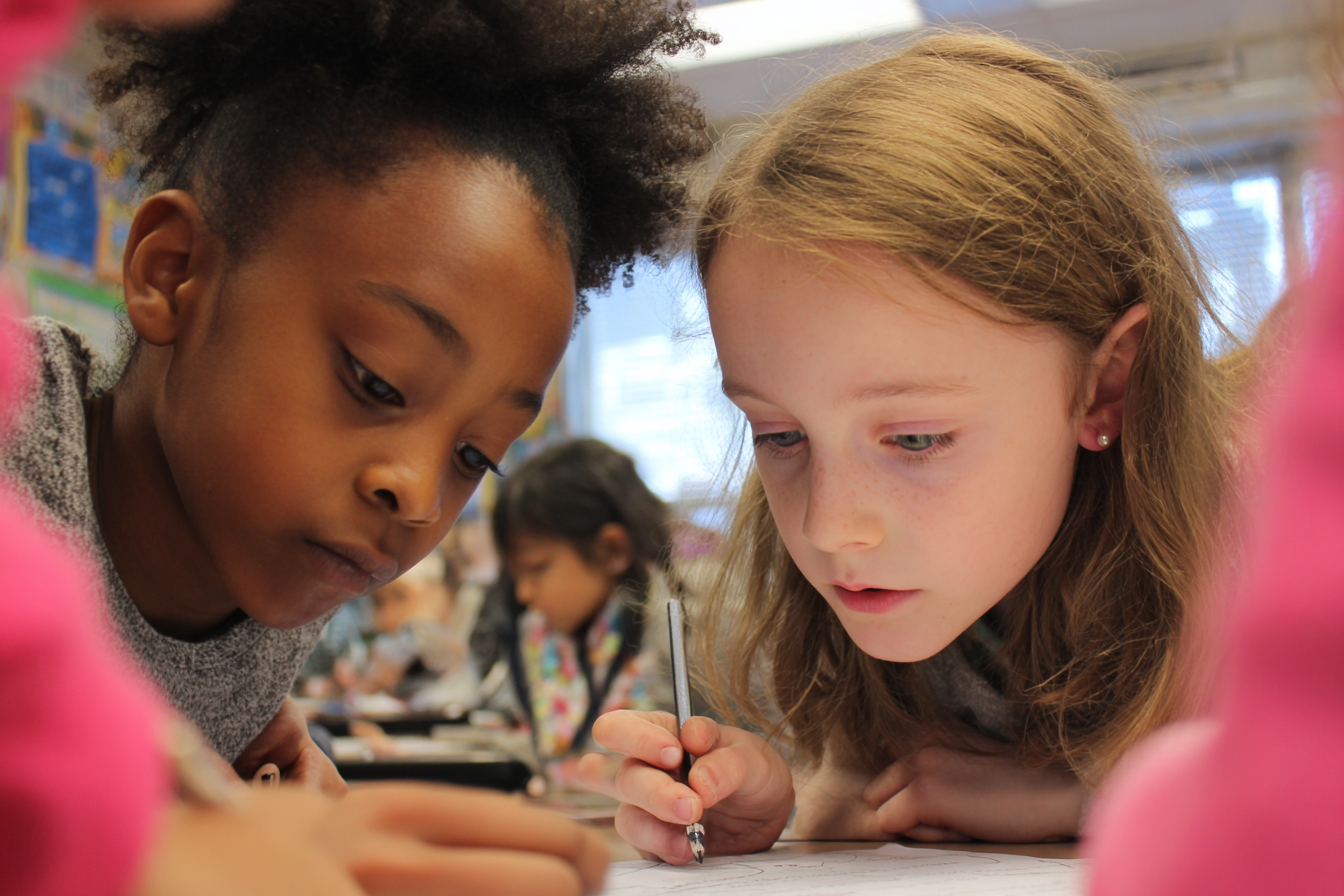
Focus: Introduce the school counselor as a trusted adult who helps students with emotions, friendships, conflict, safety, problem-solving, goals, and school success. Since Grade 3 students are becoming more independent, the lesson emphasizes when students can try a strategy on their own and when they should seek adult help. Students use scenario cards to decide whether a problem might involve the teacher, counselor, nurse, principal, or another trusted adult.
Grade Level: 3
Subject Area: School Counseling (Trusted Adults • Help-Seeking • School Success)
Total Unit Duration: 1–2 weeks, 30 minutes per session
I. Introduction
This opening Grade 3 counseling lesson helps students understand the role of the school counselor and how the counselor supports students throughout the year. Students learn that the counselor helps with feelings, friendships, conflict, problem-solving, safety, goals, organization, responsibility, and school success. The counselor is presented as a trusted adult students can talk to when they need help, support, strategies, or guidance.
Because Grade 3 students are becoming more independent, this lesson also teaches students to think about the size and type of problem before deciding what to do. Some problems can be handled by trying a strategy, using respectful words, or asking the teacher for help. Other problems, such as unsafe behavior, strong worries, repeated peer problems, or health concerns, may need support from the counselor, nurse, principal, teacher, or another trusted adult.
Essential Questions
- What does the school counselor help students with?
- Who are trusted adults at school?
- When can students try a strategy on their own first?
- When should students ask an adult for help?
- How do listening, following directions, organization, and responsibility help students succeed at school?
II. Objectives and Standards
Learning Objectives — Students will be able to:
- Describe the role of the school counselor as a trusted adult who helps with feelings, friendships, conflict, safety, problem-solving, goals, and school success.
- Name trusted adults at school, such as the teacher, counselor, nurse, principal, playground supervisor, bus driver, or other school staff member.
- Sort realistic Grade 3 scenarios by deciding whether students can try a strategy first or should seek adult help.
- Explain how words, actions, choices, and attitudes can help classmates feel safe, included, respected, and valued.
- Identify school-success behaviors such as listening, following directions, organizing materials, participating, completing routines, and staying on task.
- (Optional Session) Practice help-seeking language and create a simple trusted adult plan for common school situations.
Standards Alignment — Grade 3 (ASCA-based Custom)
- C:S1.3c — Contribute Positively to Classroom and School Belonging
- Recognize how words, actions, choices, and attitudes can help classmates feel safe, included, respected, and valued.
- Example: A student invites a classmate into a group project and makes sure everyone has a role.
- C:S6.3a — Identify Trusted Adults and Appropriate Help-Seeking
- Name trusted adults at school and explain when to seek help for themselves or others.
- Example: A student knows to tell a teacher, counselor, nurse, principal, or playground supervisor about unsafe behavior, strong worries, or repeated peer problems.
- C:S5.3a — Practice Attention, Organization, and Responsibility
- Use school-success behaviors such as listening, following directions, organizing materials, participating, completing routines, and staying on task.
- Example: A student brings needed materials, starts work promptly, and follows a multi-step classroom direction.
Success Criteria — Student Language
- I can explain how the school counselor helps students.
- I can name trusted adults at school.
- I can decide when to try a strategy and when to ask an adult for help.
- I can use words and actions that help classmates feel included and respected.
- I can name school-success habits that help me learn and stay responsible.
III. Materials and Resources
Tasks & Tools (counselor prepares/curates)
- Counselor role cards, such as:
- Feelings
- Friendship
- Conflict
- Safety
- Problem-solving
- Goals
- School success
- Organization
- Responsibility
- Trusted adult cards, such as:
- Teacher
- School counselor
- Nurse
- Principal or assistant principal
- Playground supervisor
- Bus driver
- Cafeteria supervisor
- Librarian, specialist teacher, or other school staff member
- Family adult
- Scenario cards showing realistic Grade 3 situations, such as:
- A student feels nervous about a test.
- A student forgets a pencil.
- A student has a stomachache.
- A classmate keeps teasing someone after being asked to stop.
- A student is unsure how to join a game.
- A student sees unsafe behavior on the playground.
- A student feels lonely at recess.
- A student needs help following a multi-step direction.
- A student is worried about a friendship problem.
- A student notices someone being left out of a group.
- A student cannot find needed materials.
- A student hears someone say something that feels unsafe or threatening.
- Sorting signs or cards labeled:
- “Try a Strategy First”
- “Talk to the Teacher”
- “See the Counselor”
- “Go to the Nurse”
- “Tell the Principal or Trusted Adult”
- “Get Help Right Away”
- Help-seeking phrase cards, such as:
- “I need help with a problem.”
- “I tried a strategy, but I still need help.”
- “This keeps happening.”
- “I feel worried.”
- “Someone is being unsafe.”
- “I do not feel well.”
- “Can you help me figure out what to do?”
- “Problem → Try a Strategy? → Trusted Adult” organizer.
- Reflection slips or exit tickets.
- Optional trusted adult web or counselor introduction handout.
Preparation
- Prepare scenario cards that include feelings, friendships, safety, health, school routines, organization, and peer problems.
- Create anchor charts:
- “What Does the School Counselor Do?”
- “Trusted Adults at School”
- “Try a Strategy or Ask for Help?”
- “School Success Habits Help Us Learn”
- Prepare a counselor model, such as: “If I forget a pencil, I can try a strategy first by checking my desk, asking politely, or using a classroom supply. If I feel very worried and cannot focus, I can ask my teacher or counselor for help.”
- Remind students that scenario examples should stay general and that students do not need to share private personal problems during the lesson.
Common Misconceptions to Surface
- “The counselor only helps when someone is in trouble.” → The counselor helps students learn skills, solve problems, handle feelings, build friendships, set goals, and stay safe.
- “I should handle every problem by myself.” → Some problems can be tried independently first, but unsafe, repeated, confusing, or overwhelming problems need adult help.
- “Only the counselor can help with every problem.” → Different trusted adults help with different needs, such as teachers for learning, nurses for health, counselors for feelings and problem-solving, and principals or supervisors for safety.
- “Asking for help means I failed.” → Asking for help is a responsible choice when a problem is too big or when a student needs support.
- “School success is only about grades.” → School success also includes listening, following directions, participating, organizing materials, completing routines, and staying on task.
Key Terms (highlight in lessons) school counselor, trusted adult, help-seeking, strategy, adult help, feelings, friendship, conflict, safety, problem-solving, goals, school success, attention, organization, responsibility, belonging, respect, inclusion
IV. Lesson Procedure
(Each session follows: Welcome & Connection → Counselor Activity → Discussion & Practice → Reflection. Timing for a 30-minute counseling lesson.)
Session 1 — Meet the School Counselor and Trusted Adults (Core Session — Addresses All Standards: C:S1.3c, C:S6.3a, C:S5.3a)
- Welcome & Connection (5–6 min)
- Counselor introduces themselves and asks:
- “What do you think a school counselor helps students with?”
- Record student ideas such as feelings, friendships, solving problems, safety, worries, goals, and school success.
- Explain that the counselor is a trusted adult, but there are also many other trusted adults at school.
- Introduce the idea that Grade 3 students are learning when to try a strategy first and when to ask for adult help.
- Counselor introduces themselves and asks:
- Counselor Activity (12–15 min)
- Introduce the “Problem → Try a Strategy? → Trusted Adult” organizer.
- Model one simple problem:
- “A student forgets a pencil before class starts.”
- Try a strategy first: Check supplies, ask politely, or use a classroom pencil.
- Trusted adult if needed: Teacher.
- School-success habit: Be responsible with materials.
- Model one problem that needs adult support:
- “A student sees unsafe behavior on the playground.”
- Try alone? No, this needs adult help.
- Trusted adult: Playground supervisor, teacher, counselor, or principal.
- Why: Safety concerns should be reported right away.
- Students work with scenario cards in pairs or small groups. For each scenario, they decide:
- What is the problem?
- Could the student try a strategy first?
- Which trusted adult could help?
- Is this about feelings, friendship, safety, health, learning, organization, or responsibility?
- How could the student’s words or actions help others feel safe, included, respected, or valued?
- Students sort scenarios into Try a Strategy First, Talk to the Teacher, See the Counselor, Go to the Nurse, Tell the Principal or Trusted Adult, or Get Help Right Away.
- Discussion & Practice (6–7 min)
- Whole-group discussion:
- “Which problems can Grade 3 students try to solve with a strategy first?”
- “Which problems should students not handle alone?”
- “How do we know whether a teacher, counselor, nurse, principal, or another trusted adult might help?”
- “How do responsible choices help classmates feel safe and included?”
- Practice help-seeking phrases:
- “I need help with a problem.”
- “I tried a strategy, but I still need help.”
- “This keeps happening.”
- “I feel worried.”
- “Someone is being unsafe.”
- “I do not feel well.”
- “Can you help me figure out what to do?”
- Counselor reinforces that asking for help is responsible when a problem is unsafe, repeated, confusing, or too big to handle alone.
- Whole-group discussion:
- Reflection (2–3 min)
- Exit reflection prompt:
- “One thing the school counselor helps with is ___.”
- “One trusted adult I can ask for help is ___.”
- Exit reflection prompt:
Optional Session 2 — Try a Strategy or Ask for Help? (Extension — Reinforces All Standards)
- Welcome & Connection (4–5 min)
- Quick review: “Who are some trusted adults at school?”
- Students name examples such as teacher, counselor, nurse, principal, playground supervisor, bus driver, cafeteria supervisor, or another school staff member.
- Counselor reminds students that different adults help with different types of problems.
- Counselor Activity (15–17 min)
- Students complete a Try a Strategy or Ask for Help Challenge using new scenarios or a trusted adult web.
- Scenarios may include:
- A student feels nervous before sharing in class.
- A student cannot find a folder.
- A student is left out of a game once.
- A classmate keeps teasing someone day after day.
- A student has a headache or stomachache.
- A student hears unsafe words or sees unsafe behavior.
- A student is confused by directions.
- A student wants to include someone in a group project.
- For each scenario, students complete:
- The problem is ___.
- I can try ___ first.
- I should ask ___ for help if ___.
- This trusted adult can help because ___.
- A respectful or responsible choice is ___.
- Students may create a private Trusted Adult Web with adults they can go to for feelings, learning, health, safety, friendship problems, and school routines.
- Discussion & Practice (6–7 min)
- Counselor leads a debrief:
- “Why is it helpful to try a strategy for small problems?”
- “Why is it important to get help right away for safety problems?”
- “How can students ask for help clearly?”
- “How do attention, organization, and responsibility help prevent some school problems?”
- Students practice matching adults to needs:
- Teacher: directions, learning, classroom routines, materials, small classroom problems.
- Counselor: feelings, friendship problems, worries, conflict, problem-solving, goals.
- Nurse: feeling sick, injury, health concern.
- Principal or supervisor: unsafe behavior, serious concerns, repeated problems, safety concerns.
- Family adult: home support, ongoing concerns, important worries.
- Counselor reinforces that students are growing more independent, but independence also means knowing when to seek support.
- Counselor leads a debrief:
- Reflection (2–3 min)
- Final reflection prompt:
- “One problem I can try a strategy for is ___.”
- “One problem that needs adult help is ___.”
- Final reflection prompt:
V. Differentiation and Accommodations
Advanced Learners
- Invite students to explain why the same problem might need different adults depending on the situation.
- Encourage students to create their own scenario and identify whether to try a strategy, ask the teacher, see the counselor, go to the nurse, or get help right away.
- Ask students to explain how belonging is strengthened when students use kind words, include others, and seek help appropriately.
Targeted Support
- Provide visual cards for counselor, teacher, nurse, principal, playground supervisor, and family adult.
- Use fewer scenarios and model one complete “Problem → Strategy → Trusted Adult” example before students practice independently.
- Provide sentence frames such as:
- “The problem is ___.”
- “I can try ___.”
- “I can ask ___ for help.”
- “This adult helps with ___.”
- Allow students to choose from prepared adult cards and strategy cards instead of generating responses independently.
Multilingual Learners
- Provide visual and bilingual supports for key terms such as help, adult, teacher, counselor, nurse, safe, friend, and problem.
- Allow students to discuss scenarios with a partner before sharing.
- Use icons for feelings, health, safety, friendship, learning, and organization.
- Provide simple speaking stems:
- “I need help.”
- “I can ask ___.”
- “I can try ___.”
- “This is safe/unsafe.”
IEP/504 & Accessibility
- Provide a simplified scenario sorting mat with icons, checkboxes, and trusted adult pictures.
- Allow students to respond by pointing, matching, circling, drawing, dictating, or speaking instead of writing full responses.
- Provide extra processing time during scenario sorting.
- Allow students to practice help-seeking privately with the counselor instead of speaking in front of the group.
VI. Assessment and Evaluation
Formative Checks (each session)
- Session 1 — Scenario sorting and discussion responses show students can identify the counselor’s role, name trusted adults, and decide when to try a strategy or seek help.
- Optional Session 2 — Trusted Adult Webs and challenge responses show students can match problems to appropriate support options and explain responsible help-seeking.
Summative — Meet the School Counselor Reflection Task (0–2 per criterion, total 10)
- Counselor Role and Trusted Adults (C:S6.3a)
- 2: Student clearly explains the counselor’s role and names trusted adults who can help with different needs.
- 1: Student names the counselor or another trusted adult but explanation is general or incomplete.
- 0: Student struggles to identify trusted adults or explain how they help.
- Appropriate Help-Seeking (C:S6.3a)
- 2: Student accurately identifies when to try a strategy first and when to seek adult help for unsafe behavior, strong worries, repeated peer problems, health concerns, or problems that are too big.
- 1: Student identifies some help-seeking situations but needs support explaining when adult help is needed.
- 0: Student shows limited understanding of appropriate help-seeking.
- Classroom Belonging (C:S1.3c)
- 2: Student explains how words, actions, choices, or attitudes can help classmates feel safe, included, respected, or valued.
- 1: Student names a kind or respectful action but explanation is limited.
- 0: Student shows limited understanding of belonging or inclusion.
- Attention, Organization, and Responsibility (C:S5.3a)
- 2: Student identifies school-success behaviors such as listening, following directions, organizing materials, participating, completing routines, or staying on task.
- 1: Student names a school-success behavior but gives limited explanation.
- 0: Student shows limited understanding of attention, organization, or responsibility.
- Participation & Reflection
- 2: Student participates respectfully in scenario sorting, discussion, help-seeking practice, or reflection and completes a thoughtful response about the counselor or trusted adults.
- 1: Student participates inconsistently or reflection is brief/general.
- 0: Student rarely participates or reflection is incomplete.
Feedback Protocol (TAG)
- Tell one strength (e.g., “You correctly matched a health concern with the nurse and a worry with the counselor.”).
- Ask one question (e.g., “What strategy could the student try before asking for help?”).
- Give one suggestion (e.g., “Try adding when this problem would need adult help right away.”).
VII. Reflection and Extension
Reflection Prompts
- What is one way the school counselor can help students?
- Who is one trusted adult students can ask for help?
- What is one problem students can try a strategy for, and what is one problem that needs adult help?
Extensions
- Trusted Adult Web: Students create a private web of adults who can help with feelings, learning, health, safety, friendship, and school routines.
- Help-Seeking Phrase Card: Students create a card with phrases such as “I need help,” “This keeps happening,” and “Can you help me figure out what to do?”
- Scenario Sort Review: Students sort new scenarios into “try a strategy,” “ask the teacher,” “see the counselor,” “go to the nurse,” or “get help right away.”
Standards Trace — When Each Standard Is Addressed
- C:S1.3c — Session 1 (discussing how words, choices, actions, and attitudes help classmates feel safe, included, respected, and valued), Optional Session 2 (connecting respectful choices to belonging in scenario practice).
- C:S6.3a — Session 1 (introducing trusted adults and appropriate help-seeking), Optional Session 2 (Trusted Adult Web and try-a-strategy-or-ask-for-help challenge).
- C:S5.3a — Session 1 (connecting attention, organization, responsibility, routines, and school success to counselor support), Optional Session 2 (matching school-success problems to strategies and trusted adults).