Unit Plan 22 (Grade 4 Counselor): Handling Anger without Making It Worse
Teach Grade 4 students to manage anger with triggers, body clues, coping tools, assertive words, and safe conflict-resolution strategies.

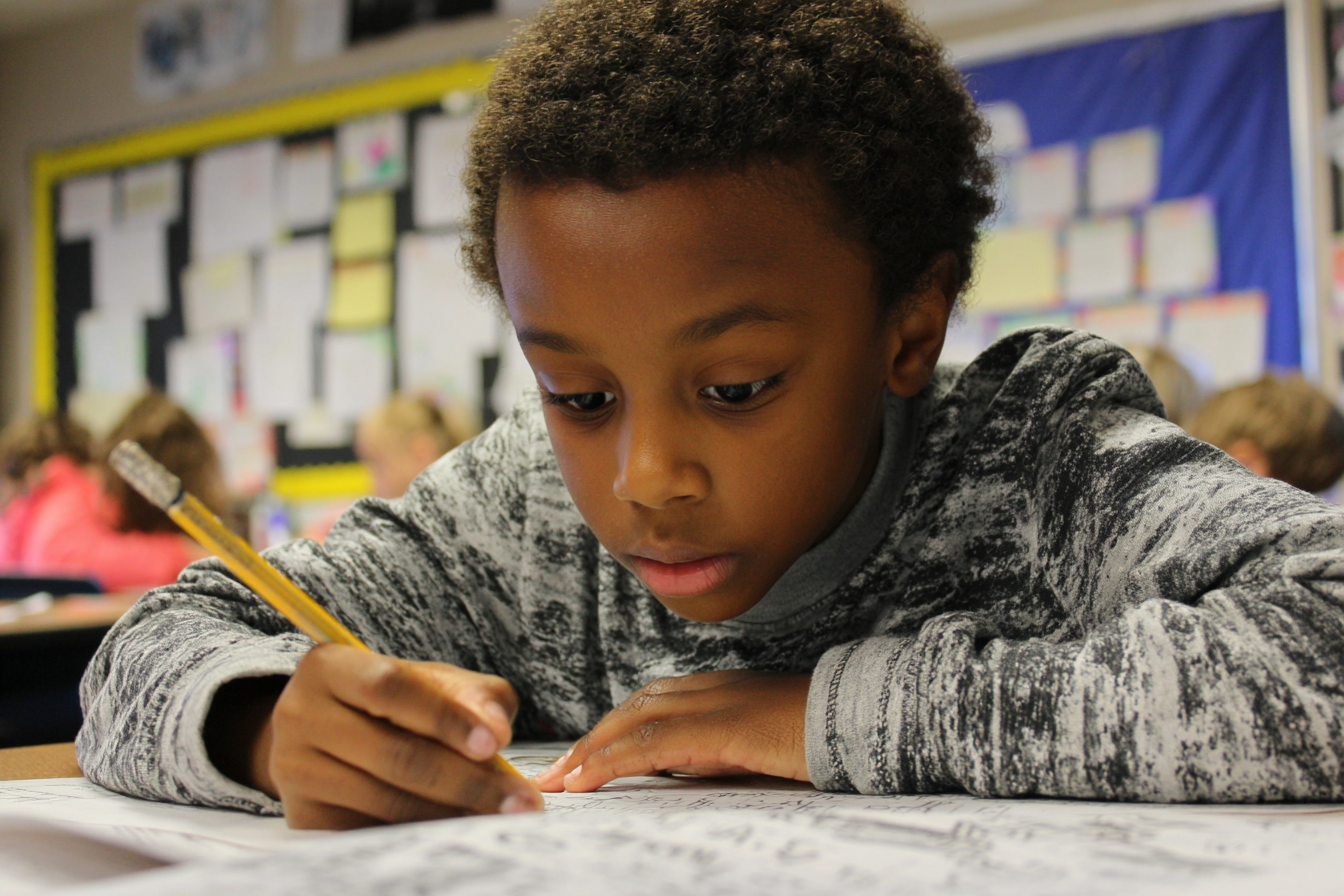
Focus: Teach students how to manage anger safely and avoid choices that escalate conflict. Students identify anger triggers, body clues, and unhelpful reactions such as yelling, insulting, blaming, pushing, or spreading rumors. The counselor helps students practice safer responses, including taking space, using assertive words, breathing, reframing, or getting adult help.
Grade Level: 4
Subject Area: School Counseling (Anger Management • Coping Skills • Conflict Resolution)
Total Unit Duration: 1–2 weeks, 30 minutes per session
I. Introduction
This Grade 4 counseling lesson helps students understand that anger is a normal feeling, but angry choices can either calm a conflict down or make it worse. Students learn that anger often begins with a trigger, such as feeling disrespected, being blamed, losing a game, being excluded, having materials taken, or hearing an unkind comment. The counselor emphasizes that students are allowed to feel angry, but they are still responsible for choosing safe and respectful responses.
Students identify anger body clues such as clenched fists, tight shoulders, hot face, fast heartbeat, loud voice, racing thoughts, or wanting to yell. They compare unhelpful reactions, such as insulting, blaming, pushing, yelling, spreading rumors, or refusing to listen, with safer responses, such as taking space, breathing, using assertive words, reframing, walking away, or asking for adult help. The goal is for students to manage anger without escalating conflict or hurting relationships.
Essential Questions
- What are common anger triggers for Grade 4 students?
- How can students recognize body clues that anger is getting stronger?
- What choices can make anger and conflict worse?
- What coping tools and respectful conflict-resolution skills can help students handle anger safely?
II. Objectives and Standards
Learning Objectives — Students will be able to:
- Identify anger triggers connected to school, friendship, recess, group work, learning, or personal experiences.
- Describe body clues that may show anger is getting stronger, such as clenched fists, hot face, fast heartbeat, tight shoulders, loud voice, or racing thoughts.
- Recognize unhelpful anger reactions, such as yelling, insulting, blaming, pushing, spreading rumors, or refusing to listen.
- Choose coping strategies that help students calm anger safely, such as breathing, taking space, movement, positive self-talk, reframing, problem-solving, or asking for help.
- Practice safe and respectful conflict-resolution responses, including assertive communication, perspective-taking, walking away, compromise, or adult help.
- (Optional Session) Rewrite anger escalation scenarios using safer coping tools and respectful words.
Standards Alignment — Grade 4 (ASCA-based Custom)
- C:S2.4a — Identify Emotions, Triggers, and Body Clues
- Recognize a range of emotions, identify common triggers, and describe body clues connected to strong feelings.
- Example: A student says, “When I feel embarrassed, my face gets hot and I want to stop talking.”
- C:S2.4b — Choose Coping Strategies for Different Situations
- Select and practice coping tools such as breathing, positive self-talk, taking a break, movement, journaling, problem-solving, reframing, or asking for help.
- Example: A student uses positive self-talk and slow breathing before presenting to the class.
- C:S4.4c — Resolve Conflicts Safely and Respectfully
- Use respectful words, compromise, assertive communication, perspective-taking, walking away, or adult help to resolve conflict without unsafe or hurtful behavior.
- Example: A student says, “Please stop making jokes about my work. I do not like it,” and seeks adult help if the behavior continues.
Success Criteria — Student Language
- I can name common anger triggers.
- I can identify body clues that show anger is getting stronger.
- I can explain how yelling, insulting, blaming, pushing, or spreading rumors can make conflict worse.
- I can choose a coping tool that helps me calm down before reacting.
- I can use respectful words, take space, walk away, or ask for adult help when anger feels too big.