Unit Plan 18 (Grade 4 Counselor): Safe and Responsible Choices Across School
Help Grade 4 students make safe, respectful, and responsible choices across school settings while protecting safety, learning, and trust.

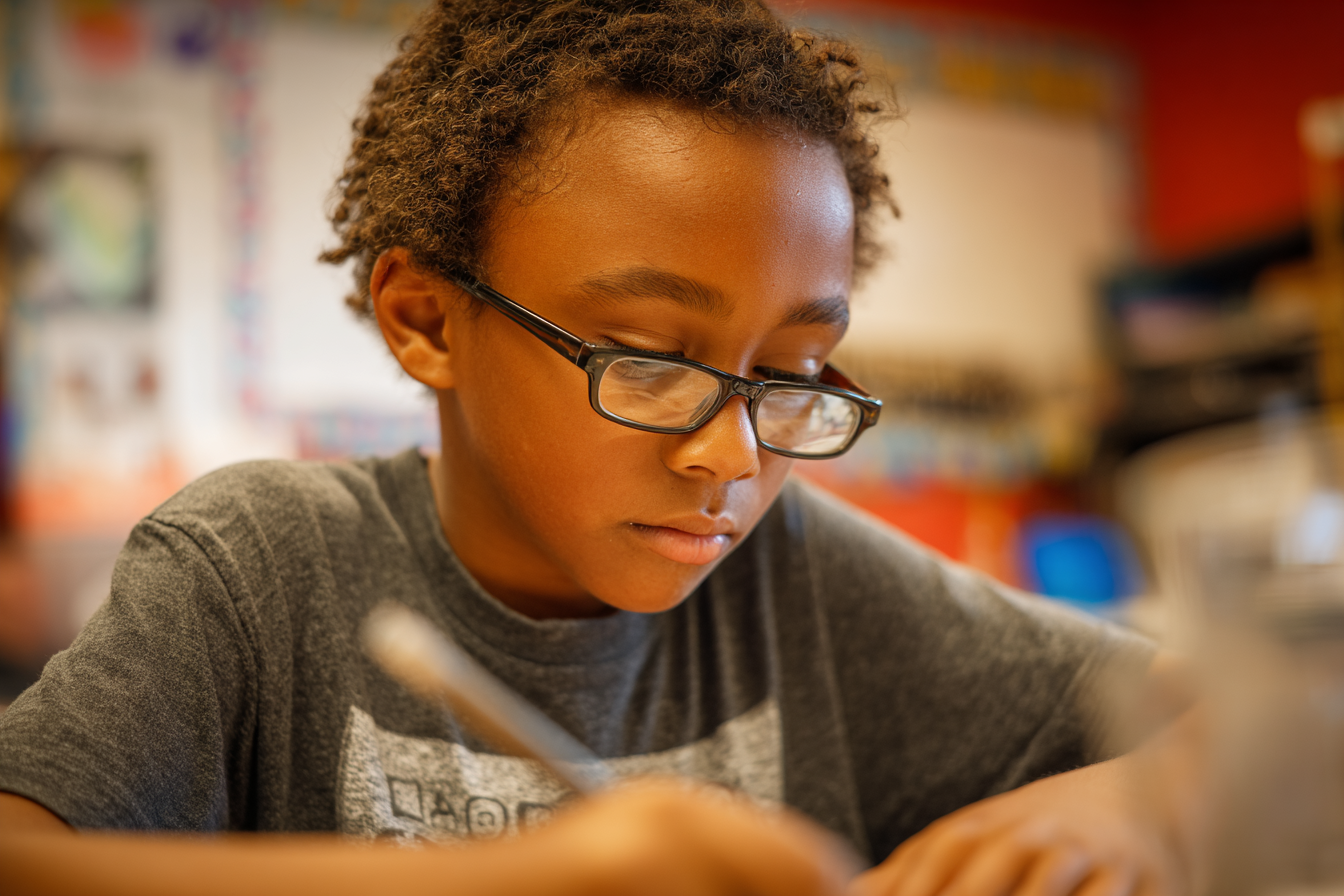
Focus: Review responsible decision-making in classrooms, hallways, bathrooms, cafeteria, playground, buses, group work, and digital spaces. Students examine scenarios involving peer pressure, unsafe behavior, exclusion, disrespectful comments, device misuse, or ignoring directions. The counselor helps students explain how responsible choices protect safety, learning, and trust.
Grade Level: 4
Subject Area: School Counseling (Safety • Responsibility • Decision-Making)
Total Unit Duration: 1–2 weeks, 30 minutes per session
I. Introduction
This Grade 4 counseling lesson helps students review what it means to make safe, respectful, and responsible choices across the school day. Students learn that their choices in classrooms, hallways, bathrooms, cafeteria, playground, buses, group work, and digital spaces affect not only themselves but also classmates, teachers, learning time, safety, and trust.
Students examine realistic scenarios involving peer pressure, unsafe behavior, exclusion, disrespectful comments, device misuse, ignoring directions, and choosing whether to tell a trusted adult. The counselor helps students connect responsible decision-making to attention, organization, following directions, respectful behavior, and help-seeking. The goal is for students to understand that responsible choices help the whole school community feel safer, calmer, and more respectful.
Essential Questions
- What makes a choice safe, respectful, and responsible?
- How do student choices affect safety, learning, trust, and responsibility across school settings?
- When should students avoid peer pressure, walk away, or get help from a trusted adult?
- How do attention, organization, and following directions help students make responsible choices?
II. Objectives and Standards
Learning Objectives — Students will be able to:
- Identify safe, respectful, and responsible choices across classrooms, hallways, bathrooms, cafeteria, playground, buses, group work, and digital spaces.
- Recognize unsafe, disrespectful, or irresponsible choices, including peer pressure, exclusion, teasing, device misuse, unsafe dares, and ignoring directions.
- Explain how responsible choices protect safety, learning, trust, respect, and the school community.
- Name trusted adults who can help when a situation is unsafe, repeated, harmful, or too big to handle alone.
- Connect school-success habits such as listening, following directions, organizing materials, participating, and staying on task to responsibility.
- (Optional Session) Practice decision-making responses through scenario sorting, role-play, or a schoolwide responsibility challenge.
Standards Alignment — Grade 4 (ASCA-based Custom)
- C:S6.4c — Make Safe, Respectful, and Responsible Choices
- Choose actions that support safety, learning, respect, and responsibility in classrooms, hallways, cafeteria, playground, group work, and digital spaces.
- Example: A student chooses not to join online or in-person teasing and tells a trusted adult when someone is being harmed or targeted.
- C:S6.4a — Identify Trusted Adults and Appropriate Help-Seeking
- Name trusted adults at school and explain when to seek help for themselves or others.
- Example: A student knows to tell a teacher, counselor, nurse, principal, or playground supervisor about unsafe behavior, repeated conflict, strong worries, or bullying concerns.
- C:S5.4a — Practice Attention, Organization, and Responsibility
- Use school-success behaviors such as listening, following directions, organizing materials, managing time, participating, and staying on task.
- Example: A student uses a checklist to remember materials and complete a multi-step classroom activity.
Success Criteria — Student Language
- I can identify safe, respectful, and responsible choices at school.
- I can explain how my choices affect safety, learning, and trust.
- I can recognize peer pressure, unsafe behavior, exclusion, or disrespectful comments.
- I can name trusted adults who can help when a problem is unsafe, repeated, or too big.
- I can use attention, organization, and responsibility habits to make better choices.