Unit Plan 3 (Grade 7 Social Studies): Empires and Kingdoms of Africa
Explore how Ghana, Mali, and Songhai grew as powerful trade, learning, and cultural centers—shaped by gold–salt routes, the Niger River, and the spread of Islam across West Africa.

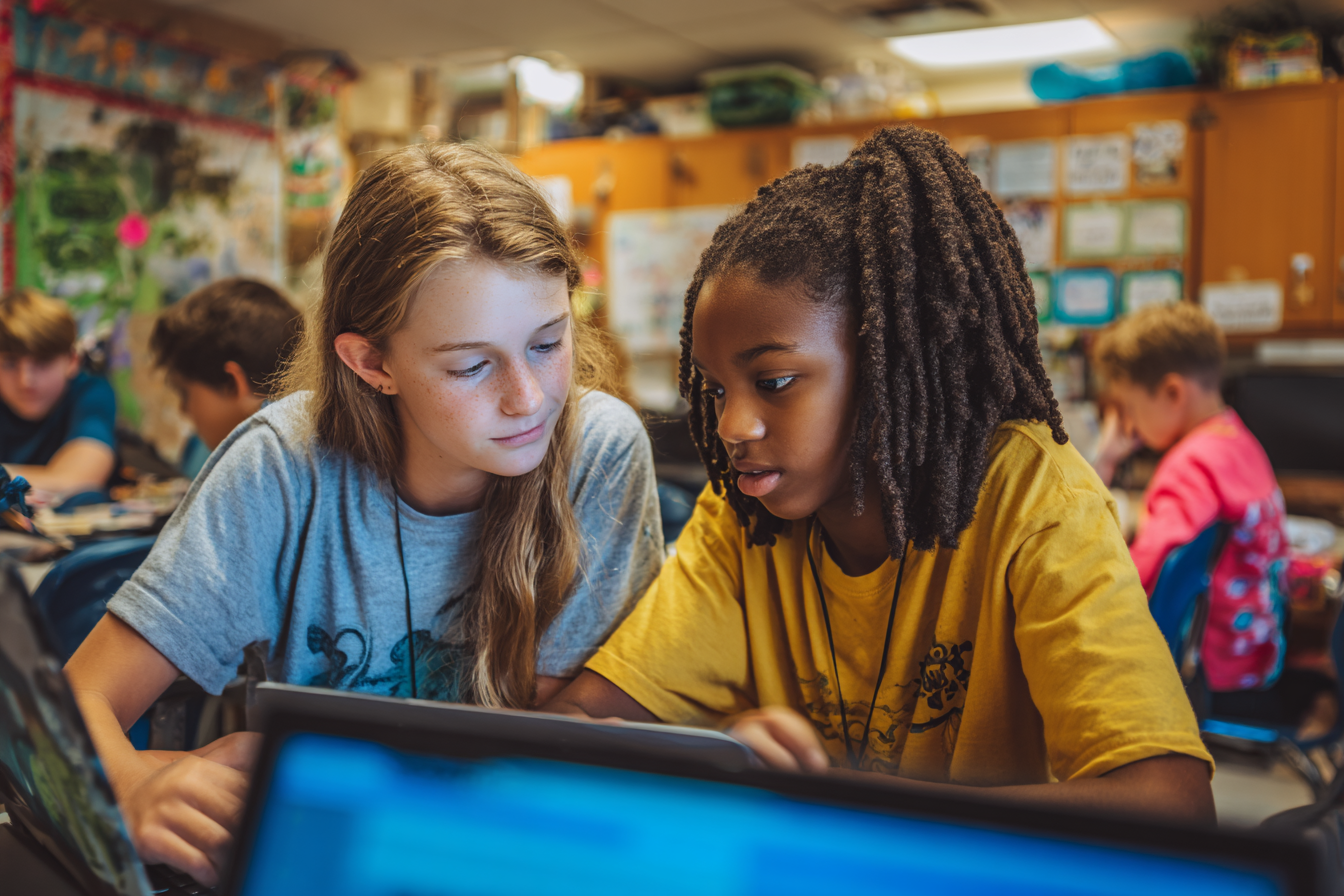
Focus: Explore Ghana, Mali, and Songhai as centers of trade, learning, and culture, tracing how resources, routes, and religion shaped power and everyday life.
Grade Level: 7
Subject Area: Social Studies (World History • Geography • Economics • Inquiry)
Total Unit Duration: 5 sessions (one week), 50–60 minutes per session
I. Introduction
Students examine how West African empires leveraged gold–salt exchange, the Niger River, and trans-Saharan caravans to build political power and cultural life. They analyze Timbuktu as a hub of scholarship, follow the spread of Islam through trade and diplomacy, and compare how leadership, institutions, and geography influenced prosperity and inequality.
Essential Questions
- How did resources, routes, and rulers shape Ghana, Mali, and Songhai?
- In what ways did trade diffuse ideas, beliefs, technologies, and languages across regions?
- How do different perspectives (traders, scholars, rulers, griots, enslaved people) change our understanding of empire?
II. Objectives and Standards
Learning Objectives — Students will be able to:
- Explain causes and effects of West African imperial growth (resource control, route security, taxation, diplomacy).
- Describe diverse perspectives across status, gender, religion, and occupation using primary/secondary sources.
- Map and interpret networks of exchange (trans-Saharan routes, Sahel savanna corridors, Niger River system) and trace diffusion of ideas and goods.
- Identify natural, human, and capital resources (salt, gold, labor, caravans, ports, manuscripts) that underpinned regional economies.
Standards Alignment — 7th Grade (C3-based custom)
- 7.C3.Hist.2: Causes/effects of major developments (empires, religion, innovation, exploration).
- 7.C3.Hist.3: Diverse perspectives/experiences across global societies.
- 7.C3.Geo.5: Global networks of exchange; diffusion of ideas, goods, beliefs.
- 7.C3.Econ.5: Natural/human/capital resources shaping regional economies and global exchange.
Success Criteria — Student Language
- I can connect a cause (e.g., taxing caravans) to an effect (imperial revenue, stronger armies).
- I can use maps + texts to show how trade spread beliefs and knowledge.
- I can identify the resources and skills that made these empires powerful.