Unit Plan 15 (Grade K Counselor): Listening to a Friend
Teach Kindergarten friendship listening with partner sharing, turn-taking, repeat-back responses, kind listening, and respectful peer interaction.

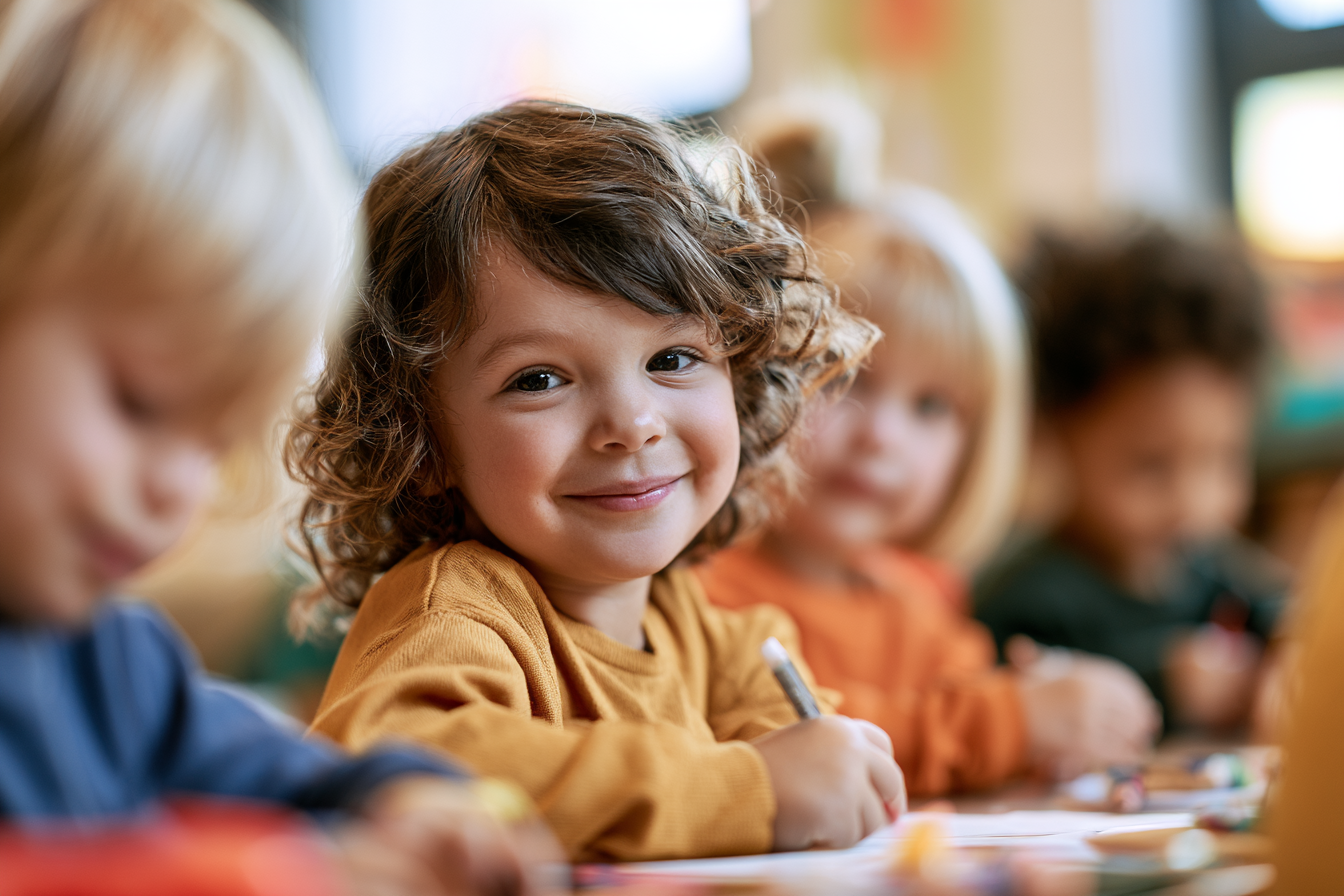
Focus: Help students practice listening and responding during peer interactions. The counselor models what happens when one person talks and the other does not listen, then compares it to kind listening. Students practice partner sharing with a simple prompt such as “My favorite playground activity is…” and then repeat back one thing they heard.
Grade Level: K
Subject Area: School Counseling (Friendship Skills • Listening • Taking Turns)
Total Unit Duration: 1–2 weeks, 30 minutes per session
I. Introduction
This Kindergarten counseling lesson helps students understand that listening is an important friendship skill. Students learn that kind listening means paying attention when someone else is speaking, waiting for a turn, and responding in a way that connects to what the other person said.
The counselor uses modeling, puppets, picture cards, and partner-sharing practice to show the difference between not listening and listening like a friend. Students practice taking turns as speaker and listener, using simple prompts, and repeating back one thing they heard. The goal is for students to see that listening helps classmates feel important, included, and respected.
Essential Questions
- What does it mean to listen to a friend?
- How can students show kind listening?
- How can students take turns talking and listening?
- What can students say after a friend shares?
- How does listening help friendships and classroom learning?
II. Objectives and Standards
Learning Objectives — Students will be able to:
- Identify what kind listening looks and sounds like during peer interactions.
- Practice listening when a classmate or partner is speaking.
- Respond appropriately by repeating back or naming one thing they heard.
- Practice taking turns as speaker and listener during a partner-sharing activity.
- Follow a two-step counselor direction during listening practice.
- Recognize that listening helps classmates feel respected, included, and important.
- (Optional Session) Apply friend-listening skills through puppet modeling, partner sharing, listening cards, picture sorting, or a reflection activity.
Standards Alignment — Grade K (ASCA-based Custom)
- C:S3.Kc — Listen and Respond to Others
- Practice listening when someone else is speaking and responding in an appropriate way.
- Example: A student looks at a classmate during partner sharing and says something connected to what the partner said.
- C:S3.Kb — Take Turns and Share
- Practice taking turns, sharing materials, and waiting during classroom activities.
- Example: A student waits for a turn with a game piece during a counselor lesson.
- C:S5.Ka — Practice Listening and Following Directions
- Demonstrate school-ready behaviors such as listening, watching, following directions, and participating.
- Example: A student follows a two-step direction during a classroom guidance activity.
Success Criteria — Student Language
- I can listen when a friend is talking.
- I can wait for my turn to talk.
- I can share my idea with a partner.
- I can say one thing I heard.
- I can use kind listening with my eyes, ears, body, and brain.
- I can follow a two-step direction.
- I can help a classmate feel important by listening.