Unit Plan 12 (Grade K Counselor): Mistakes Help Us Learn
Teach Kindergarten growth mindset with mistakes, try-again words, help-seeking, personal strengths, and still-learning practice.

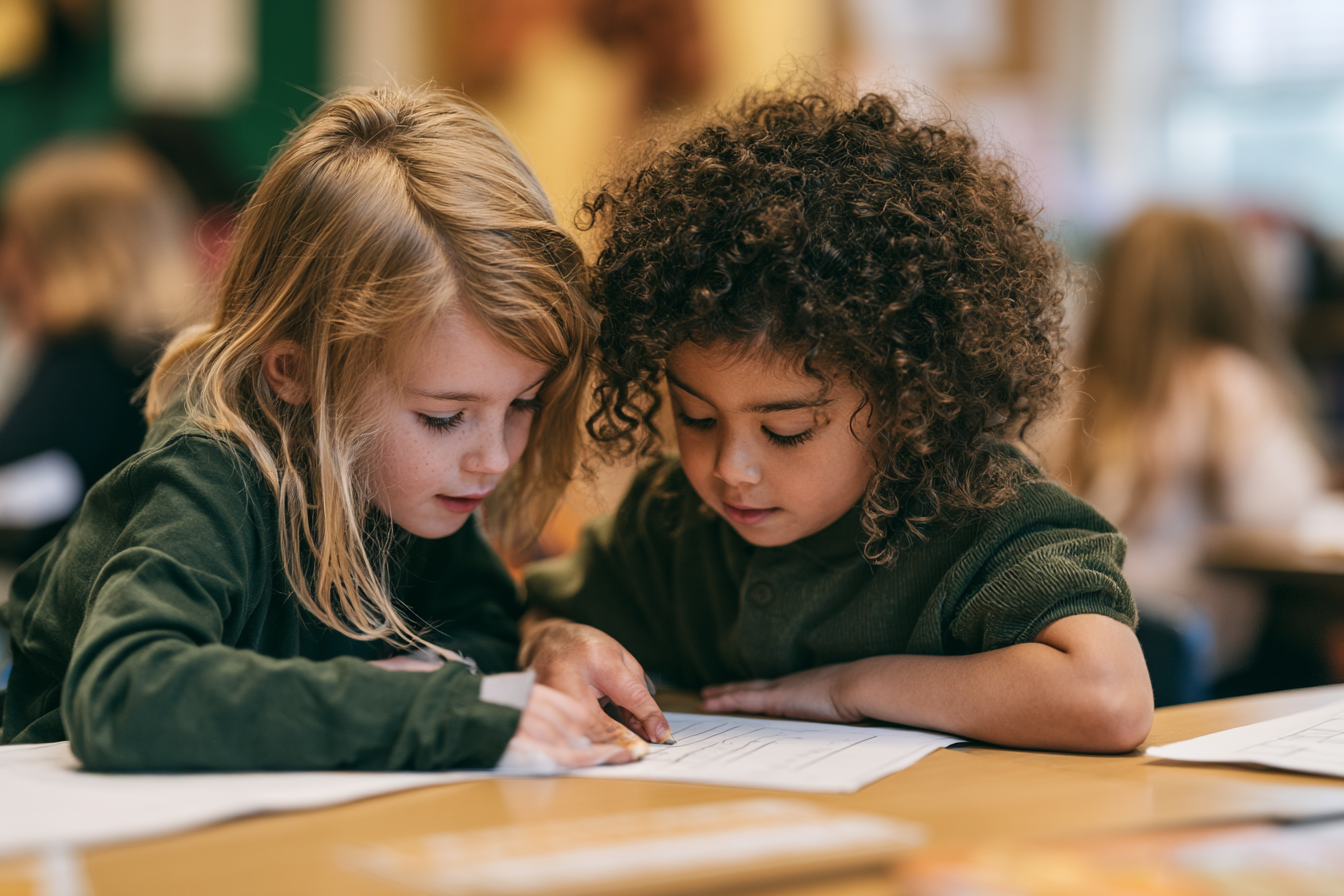
Focus: Introduce a Kindergarten-friendly growth mindset. Students learn that mistakes are not something to hide from; they are part of learning. The counselor uses a story, puzzle, or drawing task where a mistake happens, then models saying, “I can try again,” “I can ask for help,” or “I am still learning.”
Grade Level: K
Subject Area: School Counseling (Growth Mindset • Perseverance • Strengths and Learning)
Total Unit Duration: 1–2 weeks, 30 minutes per session
I. Introduction
This Kindergarten counseling lesson helps students understand that mistakes are part of learning. Students learn that everyone makes mistakes when they are trying something new, practicing a skill, solving a problem, drawing, building, reading, writing, playing a game, or learning school routines.
The counselor uses a story, puppet, puzzle, drawing task, or simple classroom scenario to show that a mistake does not mean a student should quit or hide. Instead, students can use helpful words such as “I can try again,” “I can ask for help,” and “I am still learning.” The goal is for students to begin seeing mistakes as opportunities to practice, grow, and keep trying.
Essential Questions
- What is a mistake?
- Why do people make mistakes when they are learning?
- What can students say when something feels hard?
- How can students keep trying after a mistake?
- What strengths or preferences can help students learn and grow?
II. Objectives and Standards
Learning Objectives — Students will be able to:
- Explain that mistakes are part of learning and growing.
- Identify simple things they like, are good at, or are learning to do.
- Practice growth mindset phrases such as “I can try again,” “I can ask for help,” and “I am still learning.”
- Recognize that learning takes practice and may feel hard sometimes.
- Identify safe and helpful choices after a mistake, such as trying again, asking for help, taking a breath, or using kind self-talk.
- Participate in a story, puzzle, drawing, puppet activity, or discussion about learning from mistakes.
- (Optional Session) Apply growth mindset skills through a mistake-fix activity, strength card sort, puppet practice, try-again challenge, or reflection page.
Standards Alignment — Grade K (ASCA-based Custom)
- C:S5.Kb — Keep Trying When Learning Is Hard
- Understand that learning takes practice and that mistakes are part of growing.
- Example: A student says, “I can try again,” after struggling with a puzzle or task.
- C:S1.Kb — Recognize Personal Strengths and Preferences
- Name simple things they like, are good at, or are learning to do.
- Example: A student says, “I am good at helping clean up,” or “I like building with blocks.”
Success Criteria — Student Language
- I can say mistakes help me learn.
- I can try again when something is hard.
- I can ask for help.
- I can say, “I am still learning.”
- I can name something I like or am good at.
- I can name something I am learning to do.
- I can remember that practice helps me grow.