Unit Plan 30 (Grade K Counselor): Problem-Solving Practice Stations
Give Kindergarten students problem-solving practice with stations, puppet role-play, safe choice sorting, peer scripts, and adult-help decisions.

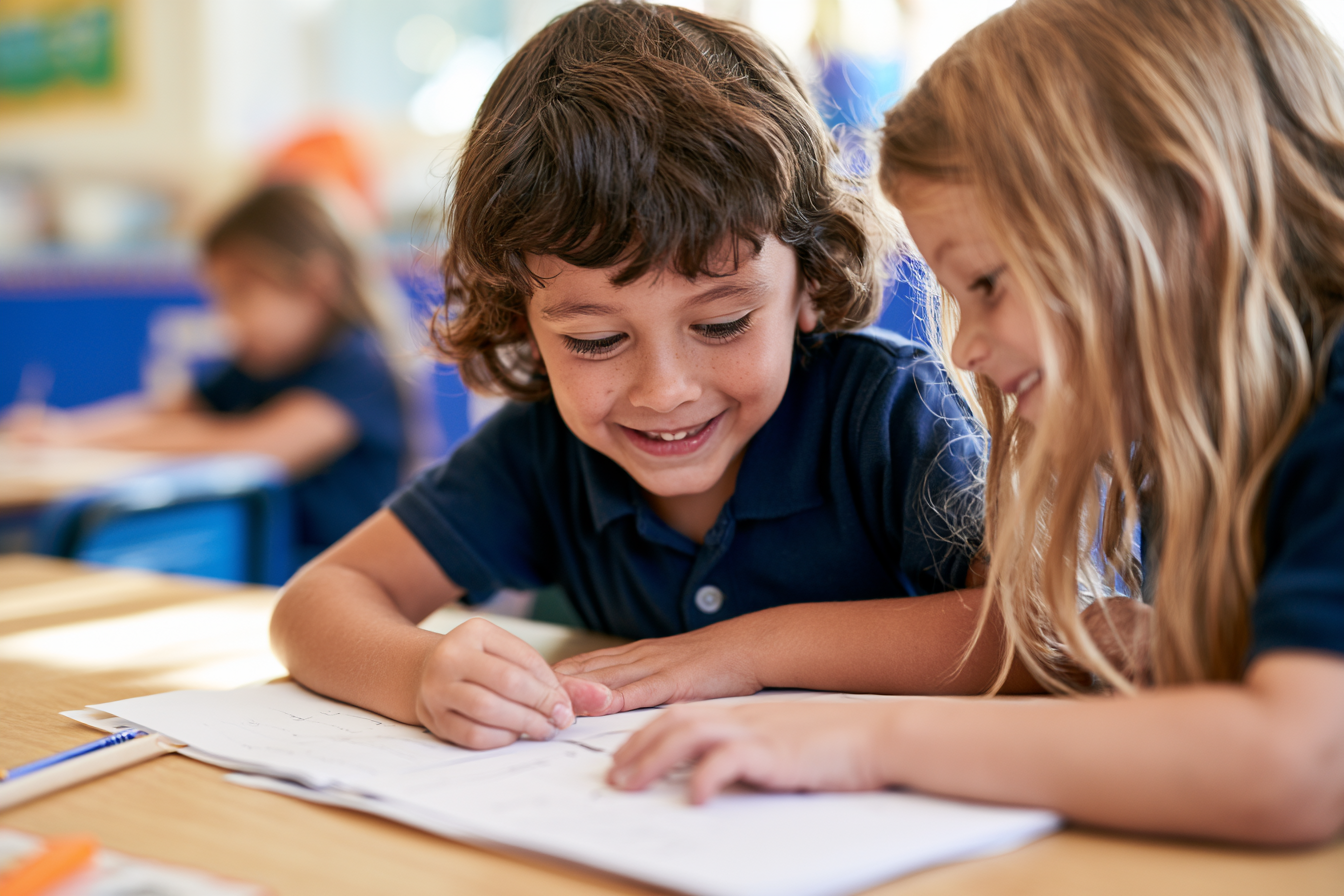
Focus: Give students repeated practice using problem-solving skills. Stations may include puppet role-play, picture problem cards, partner scripts, and “safe choice” sorting. The counselor helps students practice naming the problem, choosing a safe solution, and knowing when adult help is needed.
Grade Level: K
Subject Area: School Counseling (Problem-Solving • Peer Conflict • Safe Choices)
Total Unit Duration: 1–2 weeks, 30 minutes per session
I. Introduction
This Kindergarten counseling lesson gives students repeated practice using the problem-solving skills they have learned throughout the year. Students review that many school problems can be solved by stopping, naming the problem, thinking of choices, using respectful words, trying a safe solution, or asking an adult for help.
The counselor sets up simple practice stations using puppets, picture problem cards, partner scripts, safe choice sorting, and adult-help matching. Students move through familiar peer problems such as wanting the same toy, not getting a turn, disagreeing with a friend, cutting in line, feeling left out, or needing help when a problem feels too big. The goal is for students to build confidence using problem-solving steps in real classroom, recess, and friendship situations.
Essential Questions
- What are common small problems at school?
- How can students name a problem before choosing what to do?
- What problem-solving steps can students use?
- What words can help students solve peer problems respectfully?
- When should students ask an adult for help?
II. Objectives and Standards
Learning Objectives — Students will be able to:
- Identify common small school problems, such as not getting a turn, wanting the same material, losing a toy, or disagreeing with a friend.
- Practice simple problem-solving steps: stop, name the problem, think of choices, and try a safe solution.
- Use respectful words to solve peer problems, such as “Please stop,” “Can we take turns?” “Can I be next?” or “Can you help us?”
- Sort choices into safe/respectful and unsafe/not helpful categories.
- Identify when adult help is needed for a problem that is unsafe, too big, or not getting better.
- Practice using words, adult help, or classroom strategies to solve conflicts without hurting others.
- (Optional Session) Apply problem-solving skills through practice stations, puppet role-play, partner scripts, picture card matching, safe choice sorting, and reflection.
Standards Alignment — Grade K (ASCA-based Custom)
- C:S4.Ka — Identify Small Problems
- Recognize common small problems at school, such as not getting a turn, losing a toy, or disagreeing with a friend.
- Example: A student says, “We both wanted the same crayon,” during a problem-solving discussion.
- C:S4.Kb — Use Simple Problem-Solving Steps
- Practice simple steps such as stop, name the problem, think of choices, and try a safe solution.
- Example: A student practices saying, “Can I have a turn when you are done?”
- C:S4.Kc — Solve Peer Problems Respectfully
- Use words, adult help, or agreed classroom strategies to solve conflicts without hurting others.
- Example: A student chooses to ask a teacher for help instead of grabbing a toy back.
Success Criteria — Student Language
- I can name a small problem.
- I can stop before I react.
- I can think of safe choices.
- I can use words to solve a problem.
- I can choose a safe solution.
- I can ask an adult for help when I need it.
- I can solve peer problems respectfully.