Unit Plan 31 (Grade K Library): Books, Audio, and Tools for Learning
Kindergarten library unit on print, audio, digital, visual, and hands-on formats, helping students use tools safely and show understanding.

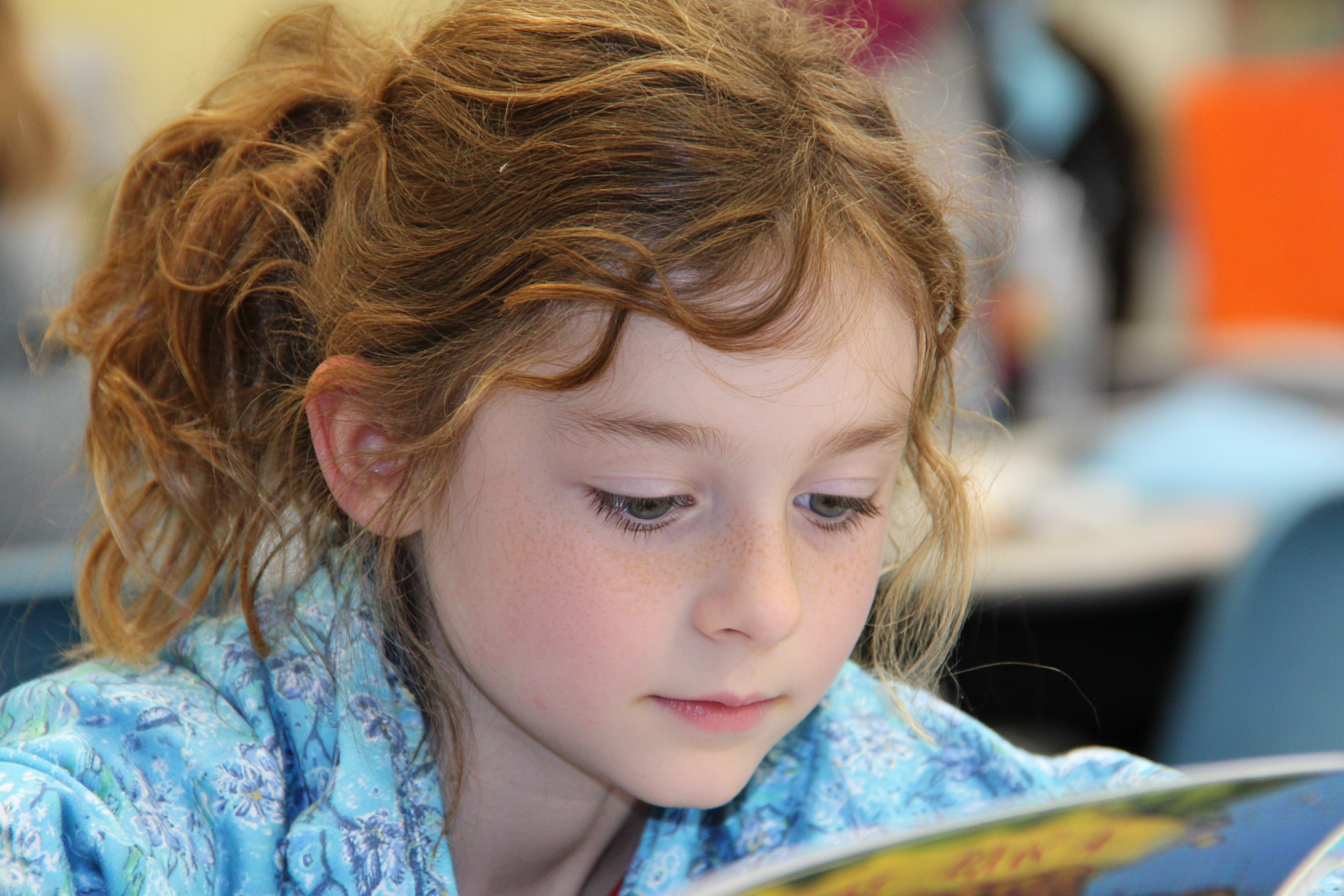
Focus: Help Kindergarten students understand that they can learn and enjoy stories through different library formats, including print books, audio stories, visuals, digital tools, and hands-on materials. Students rotate through library experiences, use tools safely, and create or share a simple response that shows understanding of a story, topic, or question.
Grade Level: K
Subject Area: Library (Multiple Formats • Digital/Hands-On Tools • Response/Understanding)
Total Unit Duration: 1–3 weeks, 50–60 minutes per session
I. Introduction
This unit helps Kindergarten students recognize that library learning can happen in many ways. Some students may learn through print books and pictures, while others may connect strongly with audio stories, projected visuals, digital story tools, puppets, drawing, building, or sorting materials. The librarian introduces several formats as meaningful learning tools rather than separate activities. Students rotate through a few carefully structured experiences and talk about how each one helped them read, listen, view, create, retell, or understand.
This reflects the reality of modern elementary library instruction, where young children often encounter stories and information through print, audio, visuals, technology, and hands-on tools. The goal is not simply to expose students to many materials, but to help them use those materials safely and thoughtfully. Students learn that different tools can support different kinds of learning and that they can respond to stories and topics in more than one way.
Essential Questions
- What are different ways I can learn in the library?
- How can print books, audio stories, pictures, digital tools, and hands-on materials help me understand?
- How can I use books, technology, tools, and shared spaces safely?
- How can I create or share something that shows what I learned or understood?
II. Objectives and Standards
Learning Objectives — Students will be able to:
- Try new books, media, tools, and library experiences with support and curiosity.
- Create or share something that shows understanding of a story, topic, or question.
- Use books, materials, technology, and shared spaces safely and responsibly.
- Rotate through library experiences such as print browsing, audio listening, visual exploration, digital storytelling, drawing, building, sorting, or retelling.
- Explain or show how one library format or tool helped them learn, enjoy, remember, or understand.
- (Optional Sessions) Strengthen flexible library learning through repeated practice with print, audio, visual, digital, and hands-on response tools.
Standards Alignment — Kindergarten (AASL-based Custom)
- L:S5.Kb — Try new books, media, tools, and library experiences with support and curiosity.
- Example: A student uses a listening center or digital story tool for the first time.
- L:S5.Kc — Create or share something that shows understanding of a story, topic, or question.
- Example: A student builds the setting of a story with blocks and explains it to a partner.
- L:S6.Kb — Use books, materials, technology, and shared spaces safely and responsibly.
- Example: A student uses headphones correctly and keeps cords and materials organized.
Success Criteria — Student Language
- I can try books, audio stories, pictures, tools, or library experiences with curiosity.
- I can use headphones, books, cards, blocks, devices, and shared spaces safely.
- I can choose a tool that helps me read, listen, view, create, or learn.
- I can make or share something that shows what I understood.
- I can tell one way a library tool helped me learn or enjoy a story.